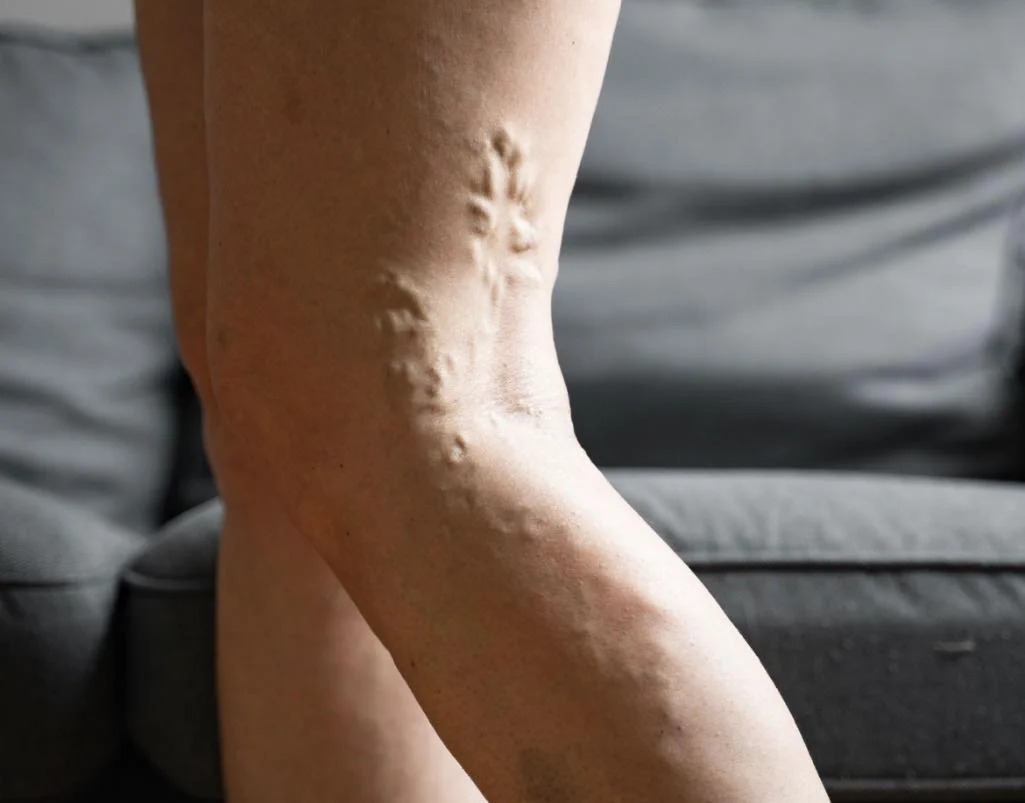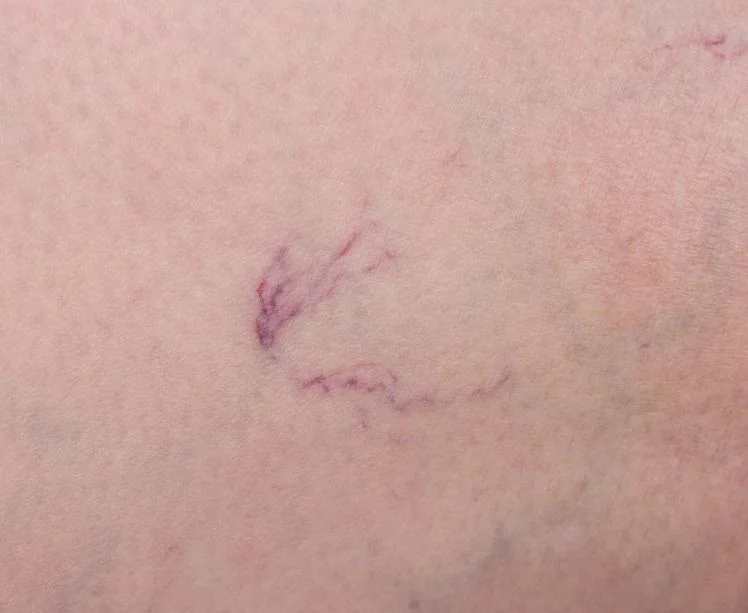

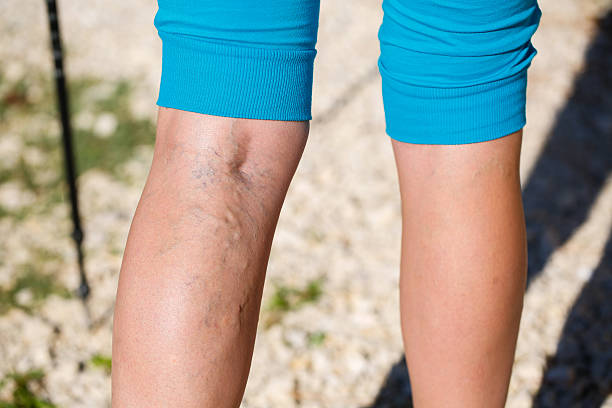
Varicose veins are often brushed off as a cosmetic issue. But in many people, they’re a sign of chronic venous insufficiency (CVI)– a progressive condition where vein valves weaken, blood falls backwards (venous reflux), and pressure gradually builds up in the legs.
If you already have varicose veins, your daily habits can either help keep symptoms stable or quietly push things along. Many people aggravate their symptoms simply because they haven’t been shown what actually increases venous pressure day to day.
If you’re not sure whether your veins are mainly cosmetic or related to underlying reflux, it’s usually worth getting clarity early. You can book a consultation with Dr Darryl Lim, a vascular and varicose vein specialist in Singapore, to assess your symptoms and decide whether further investigations are needed.
Here are five common mistakes- and what to do instead.
1) Don’t sit or stand in one position for too long
This is easily the most common (and most underestimated) habit that makes varicose veins worse.
Your leg veins rely heavily on movement. When you walk, your calf muscle pump pushes blood upwards towards the heart. When you sit or stand still for long periods, that pump isn’t doing much- and blood starts to pool in the ankles and calves. Over time, that increased pressure stretches vein walls and places more strain on already-weak valves.
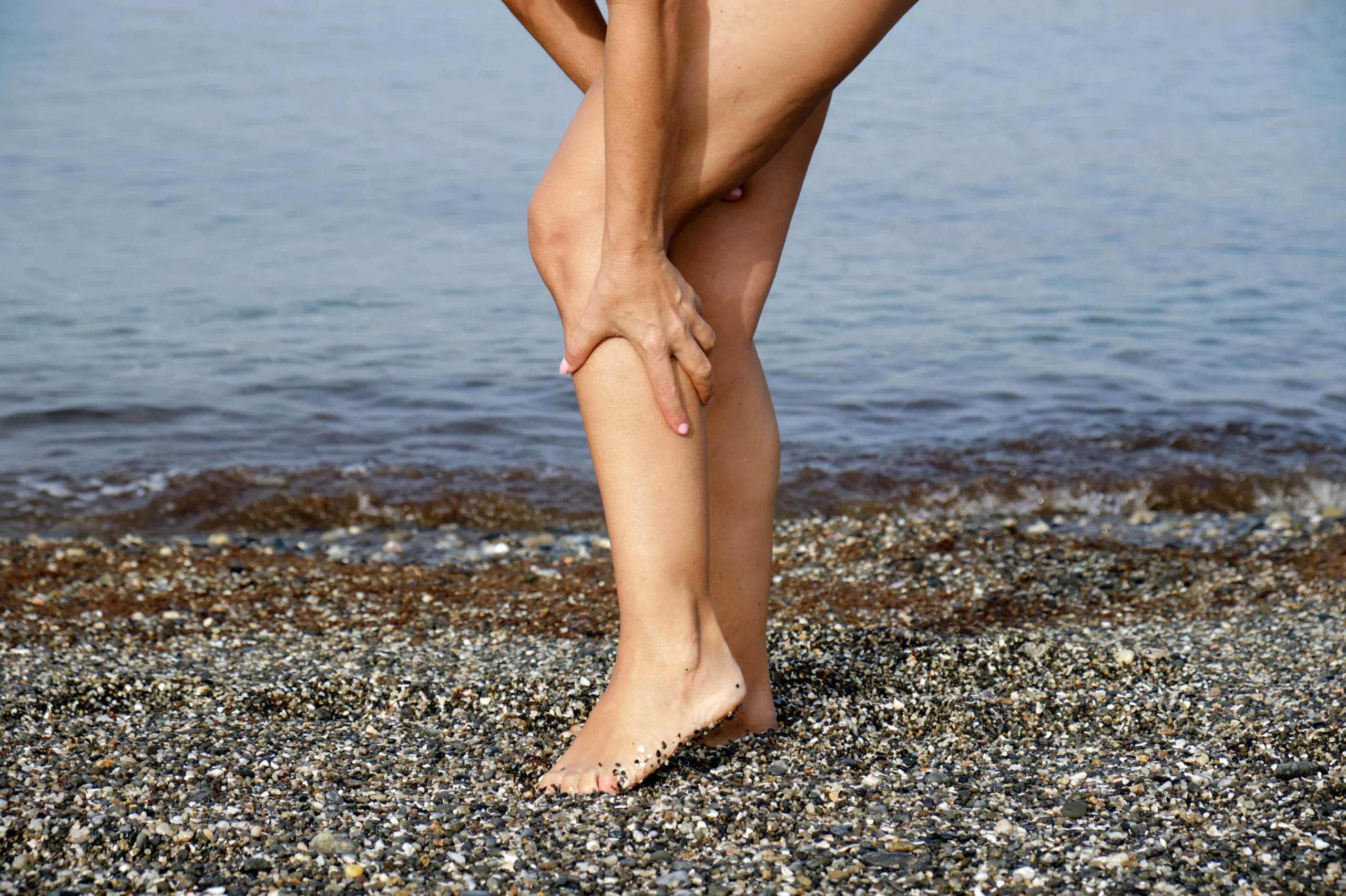
You’ll often notice this as a pattern: legs feel heavier as the day goes on, veins look more prominent after work, and ankle swelling appears by evening.
If your day involves long hours at a desk or on your feet, start small and consistent:
- Take a short walk every hour (even 3–5 minutes helps)
- Do a few calf raises while waiting for a lift or queue
- Pump your ankles or rotate them under the desk
- Elevate your legs after a long day
You don’t need perfect habits, you just need regular “circulation breaks”.
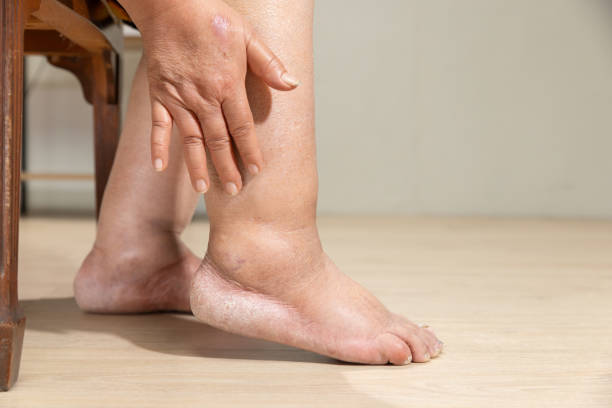
2) Don’t ignore swelling, itching, or skin changes
A lot of patients think varicose veins are only about appearance. The problem is, once you develop swelling, itch, or skin discolouration, it often means CVI is progressing.
The early skin signs can be subtle at first. People describe dry, itchy patches near the ankles, tightness of the lower leg skin, or brownish staining that “just appeared”. These changes are often due to long-standing venous pressure and inflammation (sometimes labelled venous eczema / stasis dermatitis). If ignored, it can progress to thicker, hardened tissues (lipodermatosclerosis) or even venous ulcers, which are slow-healing wounds usually near the inner ankle.
Once ulcers develop, treatment becomes more complex- which is why earlier detection and treatment when skin changes occur matters so much.
If you notice ankle staining, persistent itch, or eczema-like patches, don’t just cycle through creams and hope for the best. This is usually the point where a proper assessment helps. Dr Darryl Lim can review you and map any underlying reflux (“leaky”) veins with ultrasound, so treatment targets the root cause, not just the skin.
3) Don’t wear extremely tight clothing around the waist or thighs
This includes tight belts, firm shapewear, overly restrictive clothing, or “compression” garments that aren’t properly fitted or medically graded.
To be clear, tight clothing doesn’t cause vein valve failure. But in some people, it can make symptoms worse by reducing comfortable venous return, especially if it compresses the pelvis or upper thighs (important drainage pathways for the legs). The result can be more heaviness or swelling by the end of the day.
If you notice your legs feel more congested on days you wear restrictive clothing, keep it simple:
- Choose clothing that allows comfortable movement and doesn’t dig into the waist or thighs
- Avoid random tight “compression” garments
- If compression is recommended, use properly fitted, medical-grade graduated compression stockings
Proper compression supports venous return. Random tightness often doesn’t.
4) Don’t overdo heavy straining or high-impact exercise (especially with breath-holding)
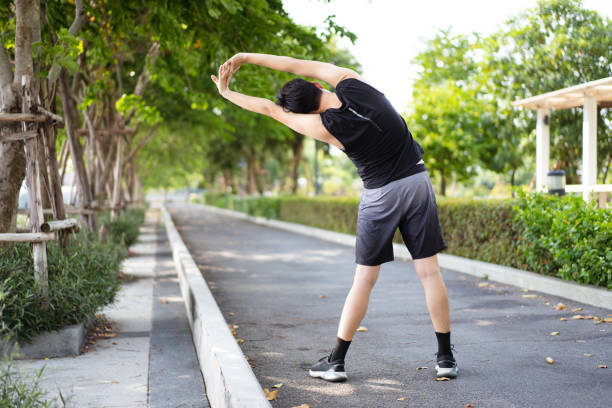
Exercise is generally good for vein health- it improves calf pump function, circulation, and weight control. The issue isn’t exercise itself.
The problem is heavy straining, particularly when people hold their breath (Valsalva) during lifts, or repeatedly push maximal loads with poor technique. That spikes intra-abdominal pressure and can transmit extra pressure down into the leg veins. Some people notice their legs feel unusually heavy or congested after these sessions.
You don’t need to avoid the gym. You just need to train in a way that doesn’t repeatedly spike venous pressure:
- Favour walking, cycling, swimming, elliptical training, and moderate yoga
- If you lift weights, breathe properly (exhale during effort), avoid maximal straining, and progress gradually
- If high-impact workouts consistently flare your symptoms, scale back and reintroduce slowly
The goal is movement that supports circulation, not workouts that leave your legs feeling “pumped” in the wrong way.
5) Don’t assume it will “stay the same”
Varicose veins rarely remain static. Chronic Venous Insufficiency is progressive. Some people progress slowly, others faster but without management, the general direction is more swelling, more heaviness, and in some cases, skin damage.
Many patients only seek help once pain becomes disruptive or skin breakdown occurs. Treatment is still very possible at that stage, but it’s harder than it needed to be.
If you’re noticing a consistent pattern of symptoms- daily heaviness, persistent swelling, pain along visible veins, ankle itch or staining, or night cramps- it’s usually the right time to have it assessed properly rather than waiting for it to “declare itself”.
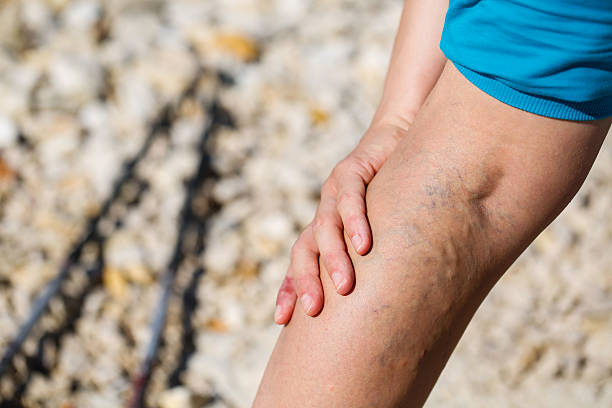
3 Extra Habits that quietly make varicose veins worse
These aren’t always obvious, but they often explain why symptoms flare up even when you’re “doing most things right”.
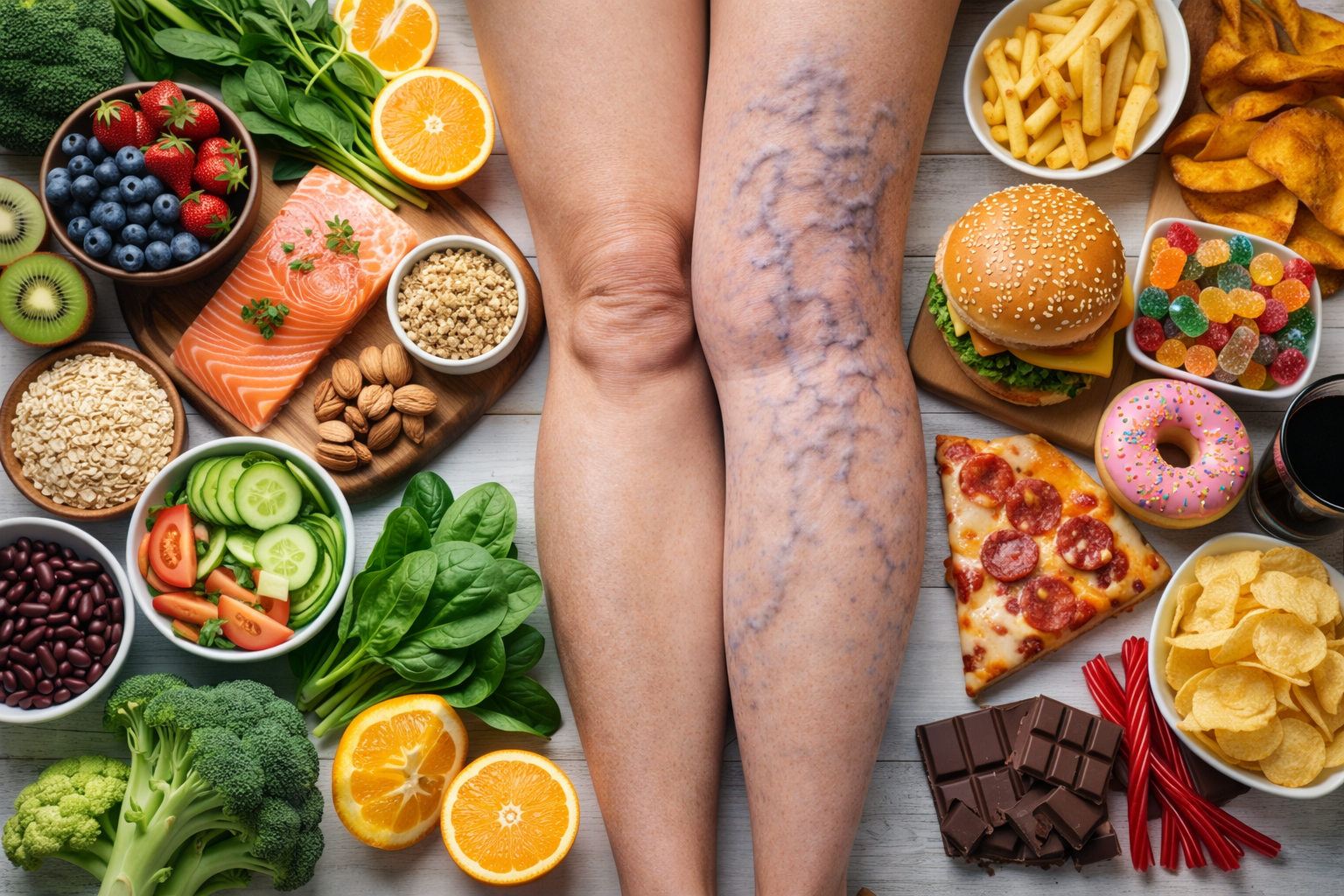
Salt intake matters more than people think. High sodium encourages fluid retention, and that tends to show up as ankle swelling and heavier legs by evening, especially if you’re already prone to venous pooling.
Dehydration can also make legs feel more uncomfortable and cramp-prone. You don’t need to overdo it, but consistent hydration across the day helps circulation run more smoothly.
Finally, weight gain can act as a multiplier. Extra body weight increases pressure inside the leg veins and places additional strain on borderline valves. Even modest, sustainable weight loss often improves daily comfort.
The bigger picture: what varicose veins really mean
Varicose veins are not just surface abnormalities. In many patients, they reflect an underlying valve problem deeper in the leg. That’s why treating only what you can see (without understanding the reflux source) can lead to recurrence or incomplete symptom relief.
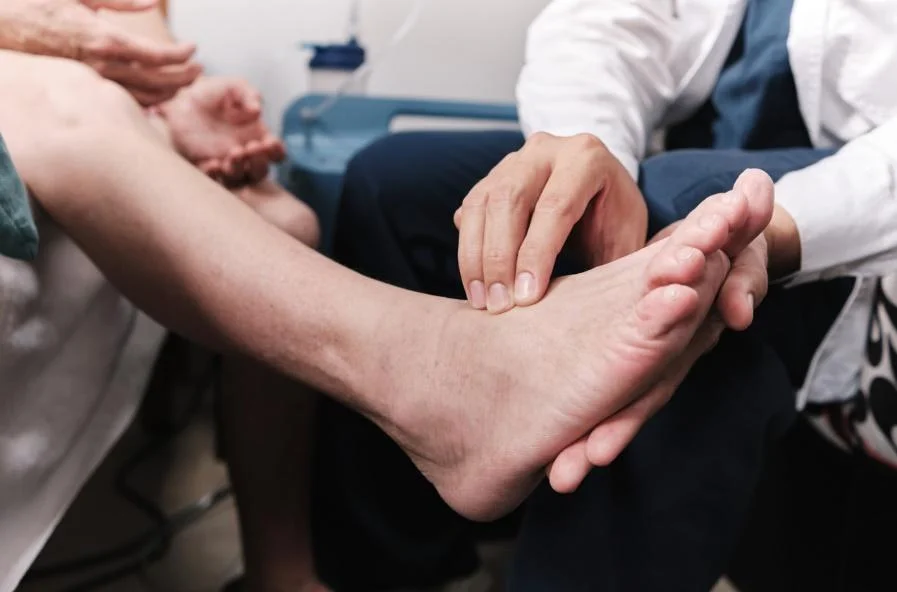
A proper assessment usually includes a clinical examination and a duplex ultrasound assessment, which maps valve function and venous reflux. This helps determine whether your veins are mainly cosmetic or whether CVI is driving symptoms and skin changes.
If you’d like this done as a one-stop check, you can arrange a vein assessment with Dr Darryl Lim.
What happens if you continue these habits?
If the “don’ts” above are ignored, symptoms may progress gradually: more swelling, increasing heaviness and aching, itch and skin inflammation, brown pigmentation, thickened fragile skin, and in more advanced cases, venous ulcers.
Ulcers are one of the most serious complications of CVI and can take months to heal. It’s far easier to prevent progression than to manage the later stages.
The role of early intervention
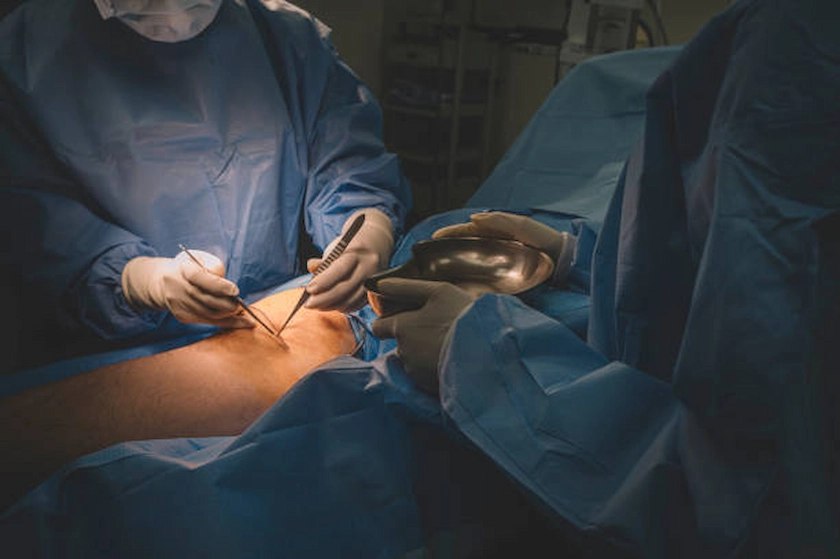
Modern vein treatments are minimally invasive and typically outpatient-based. When reflux is treated early, venous pressure drops, symptoms improve, skin damage can stabilise, ulcer risk decreases, and quality of life usually improves.
Waiting too long allows more structural and skin damage to accumulate, which is why timing matters.
A simple daily protection plan
If you have varicose veins, keep it practical. Aim for daily walking, leg elevation after work, compression stockings when recommended, moderate regular exercise, reduced salt intake if swelling is an issue, and good hydration. Most importantly: if symptoms or skin changes are progressing, get assessed early.
The bottom line
If you have varicose veins, small daily habits matter. Staying still for too long, ignoring skin changes, excessive straining, restrictive clothing in the wrong places, and assuming the condition is cosmetic can quietly accelerate progression.
Varicose veins are manageable and treatable, but the key is addressing the underlying venous reflux properly, before swelling and skin damage become the main story.
If your symptoms are starting to feel like a daily thing- heaviness, swelling, night cramps, or ankle skin changes- don’t guess for months. A simple assessment can tell you whether you have CVI and what type of treatment makes sense. If you’d like a personalized plan, you can see Dr Darryl Lim for a varicose vein consultation in Singapore.
Frequently asked questions
Is crossing my legs bad?
Crossing your legs doesn’t directly cause varicose veins. Prolonged immobility is the bigger issue. Sitting still for hours tends to worsen pooling and symptoms.
Are varicose veins always dangerous?
Not always. But when varicose veins come with pain, swelling, night cramps, or skin changes, they often indicate CVI and should be assessed.
Can exercise cure varicose veins?
Exercise helps symptoms and supports circulation, but it can’t repair damaged vein valves. If reflux is present, treatment may be needed for lasting relief.
Do compression stockings help varicose veins?
They can reduce swelling and heaviness and improve comfort, especially on long standing days. They don’t “fix” valve failure, but they can be very helpful as part of a wider plan.
How do I know if I need a scan?
If you have symptoms (heaviness, swelling, night cramps, itching, ankle staining) or bulging veins, a duplex ultrasound is often the most useful next step. You can book a review with Dr Darryl Lim to decide if it’s indicated.
When should I see a specialist?
If you have persistent discomfort, swelling, skin changes, or bulging veins with symptoms, or if you feel things are gradually worsening, it’s worth getting a proper evaluation.