
Mini Phlebectomies
What are Mini Phlebectomies?
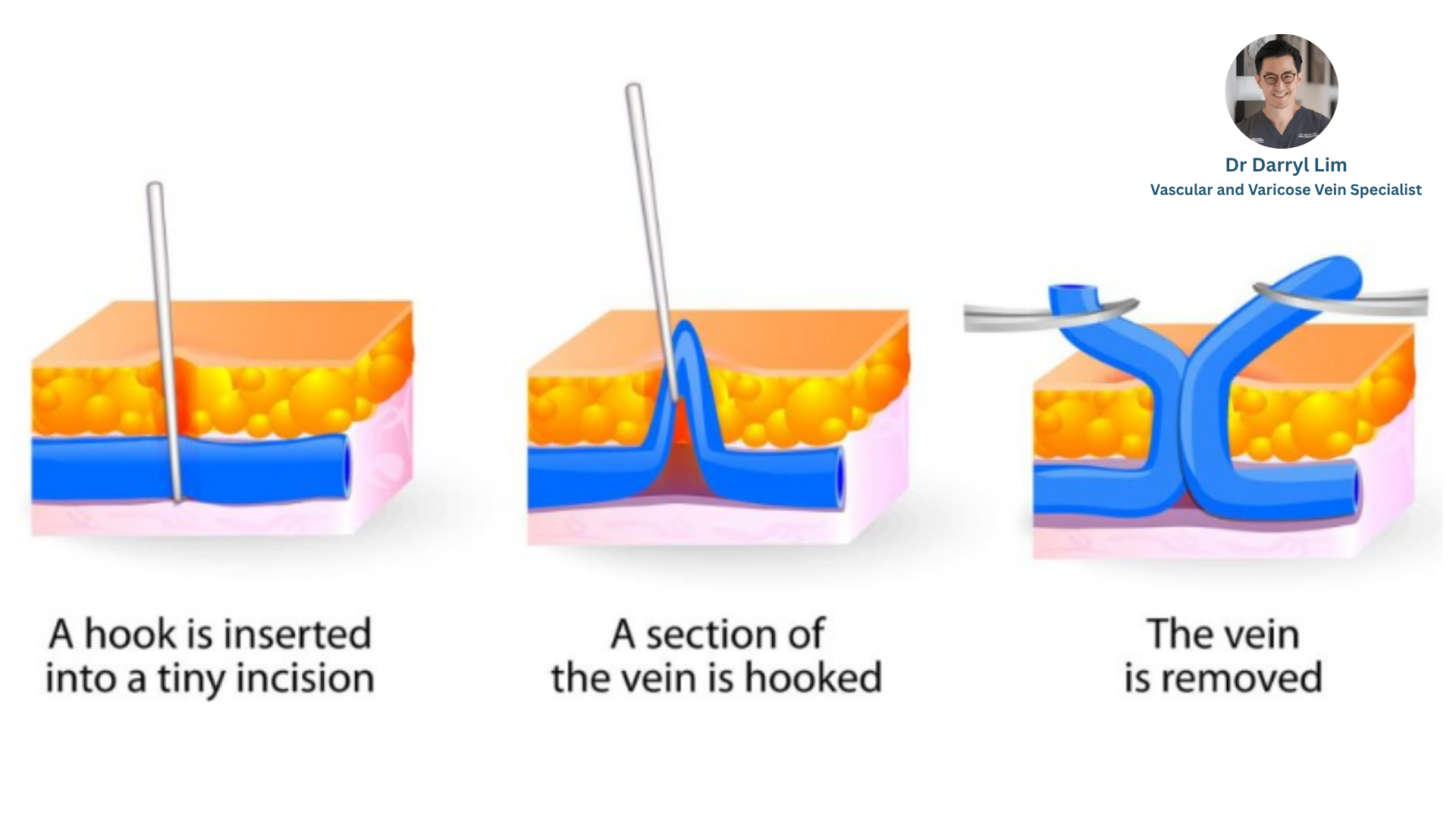
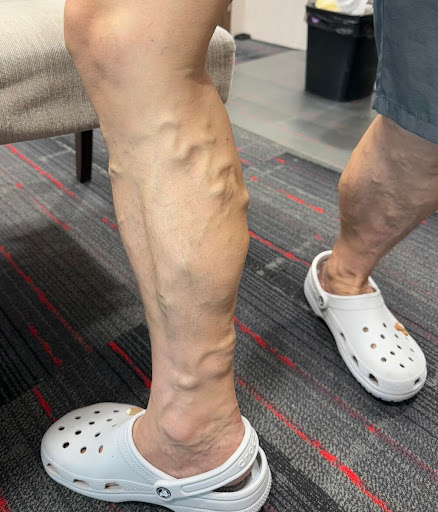
Mini phlebectomy (also known as ambulatory, micro, or stab avulsion phlebectomy) is a procedure used to remove larger varicose veins that are not suitable for sclerotherapy, or when the skin condition makes it harder for injections alone to give a good cosmetic result.
It is often done together with treatment of the underlying venous reflux (for example, endovenous radiofrequency ablation or ClariVein) to clear the remaining bulging veins. This helps reduce, or sometimes avoid, the need for further sclerotherapy sessions later on.
During a mini phlebectomy, the varicose veins are gently removed through a series of tiny punctures in the skin, designed to minimise scarring. Most patients are able to return to their usual daily activities shortly after the procedure.
Frequently Asked Questions about Mini Phlebectomies
Mini phlebectomy (also known as ambulatory, micro, or stab avulsion phlebectomy) is a procedure used to remove larger varicose veins through a series of tiny punctures in the skin, designed to minimise scarring. It is generally used for veins that are not suitable for sclerotherapy alone, or where the skin condition makes it harder for injections alone to give a good cosmetic result.
Mini phlebectomy is generally considered for patients with larger, bulging varicose veins that are not well suited to sclerotherapy alone. Suitability depends on an individual assessment of the size, location, and underlying cause of the veins, so a consultation with a vascular surgeon is needed to determine whether this procedure is appropriate for you.
Sclerotherapy involves injecting a solution into smaller veins to close them, while Radiofrequency Ablation treats the underlying reflux in larger trunk veins using heat energy delivered through a catheter. Mini phlebectomy instead physically removes visible, bulging varicose veins through tiny skin punctures. It is often carried out together with treatment of the underlying venous reflux (for example, RFA or ClariVein) to clear the remaining bulging veins, which may help reduce, or sometimes avoid, the need for further sclerotherapy sessions.
Mini phlebectomy is typically performed under local anesthesia to numb the treatment area. As with any procedure involving skin punctures, some patients may experience mild discomfort during or after the procedure. Your surgeon can discuss anesthesia options and what to expect based on your specific case.
Recovery is generally quick, as most patients are able to return to their usual daily activities shortly after the procedure. Compression stockings may be recommended for a period afterward to support healing, and your surgeon will advise on when to resume more strenuous activities.
As with any minor surgical procedure, mini phlebectomy carries some possible risks, which may include bruising, swelling, temporary numbness, or small marks at the puncture sites. The procedure uses tiny punctures rather than larger incisions, which is intended to minimise scarring. Your surgeon will discuss the risks relevant to your individual case during consultation.
The number of sessions required varies between patients, depending on the number, size, and distribution of the veins being treated. Some patients may need only one session, while others with more extensive veins may require additional sessions or a combination with other treatments, such as sclerotherapy.
Because the treated veins are physically removed during the procedure, some improvement in the appearance of the treated area may be visible soon afterward, though bruising or swelling can take time to settle. Results generally become clearer over the following weeks as the skin heals.