
One of the most common questions patients ask after varicose vein treatment is, “When can I start exercising again?”
It’s a fair concern. Exercise is good for circulation and recovery, but pushing too hard too soon (or choosing the wrong activities) can leave you more sore than you need to be, and sometimes slows healing.
The reassuring part is this- most modern varicose vein treatments allow an early return to movement. The key is knowing what’s sensible in the first few days, and how to build back up safely.
In this guide, Dr. Darryl Lim, a vascular and varicose vein specialist in Singapore, shares a realistic recovery timeline, what exercises are generally safe by phase, and what to avoid while your legs are still healing.
First, Why Movement Matters After Varicose Vein Surgery
Modern varicose vein procedures are designed to improve circulation, not restrict it. Gentle movement after treatment helps:
- Promote healthy blood flow
- Reduce swelling and stiffness
- Lower the risk of clot formation
- Speed up overall recovery
However, not all movement is equal during the early healing stage. The goal is to encourage circulation without placing excessive pressure on treated veins.
What “Varicose Vein Surgery” Usually Means Today
Most patients no longer undergo traditional open surgery. Modern treatments are minimally invasive, outpatient procedures, such as
- Endovenous radiofrequency ablation (RFA)
- Medical adhesive vein closure (VenaSeal)
- Ultrasound-guided sclerotherapy
- Microphlebectomy for surface veins
Because these treatments involve tiny entry points and minimal tissue disruption, recovery is much faster than people expect.
When Can I Start Walking?
Immediately- usually on the same day after treatment.
Walking is not only allowed after vein treatment; it is strongly encouraged. It activates the calf muscle pump, which helps push blood upwards and reduces pressure in the leg veins.
Best practice in the first 48 hours:
- Walk for 5–10 minutes every hour while awake
- Avoid standing or sitting still for long periods.
- Wear compression stockings if prescribed.
Walking is the safest and most beneficial activity during early recovery.
Days 1–3: what exercise is safe?
For the first few days, think “gentle, low-impact, and frequent” rather than “workout”.
Usually safe
- Walking (indoors or outdoors)
- Normal household movement
- Gentle ankle pumps and calf raises
Best to avoid
- Running/jogging
- Heavy gym work
- HIIT or jumping exercises
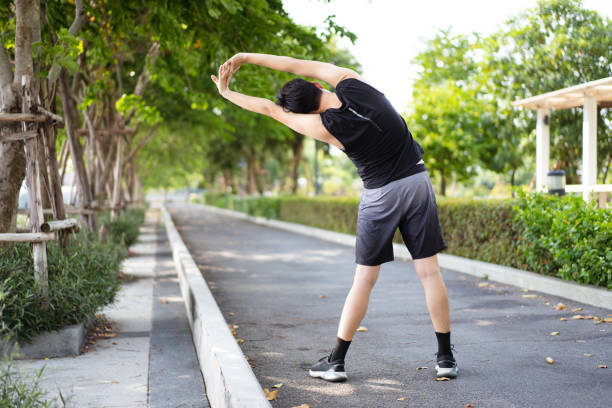
- Deep stretching that tugs at entry sites
- Long, sweaty sessions that leave you more bruised and inflamed
Mild bruising, tightness or tenderness is common. A “pulling” or “cord-like” sensation along the treated vein can also occur and usually settles gradually.
When Can I Return to Light Exercise?
Often around day 5–7, depending on:
- the type of treatment (ablation vs sclerotherapy vs microphlebectomy)
- how extensive the treatment was
- how much bruising/tenderness you have
At this stage, many patients can ease back into:
- Light cycling
- Elliptical machines
- Gentle yoga or Pilates (avoid strong leg stretches early)
- Low-resistance strength work (upper body focus)
A good rule- mild soreness is fine, but sharp pain, increasing swelling, worsening redness, or pain that escalates isn’t.
When Is It Safe to Resume Running or High-Impact Exercise?
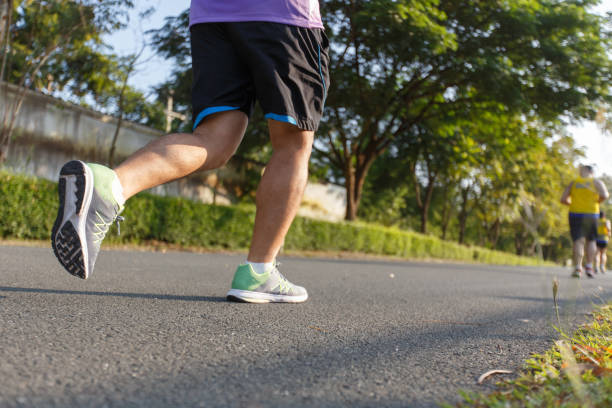
Typically around 2–4 weeks, with clearance from your specialist if you’re unsure.
High-impact activity increases pressure and repetitive shock through the legs. It’s usually fine later, but starting too early can worsen bruising, delay comfort, and leave you feeling discouraged.
Examples to reintroduce gradually:
- Running or jogging
- HIIT
- Jumping workouts
- Sports with sudden stops, pivots, or contact
If you’re training for an event, it’s worth mentioning early so your recovery plan can be tailored.
Gym question: can I do squats, deadlifts, or lift weights?
This is one question people don’t always ask upfront, but it does matter.
Heavy compound lifts and intense core bracing can raise intra-abdominal pressure, especially if you hold your breath (Valsalva). Early on, that can make legs throb or worsen bruising.
A general rule of thumb is to begin with lower weights and higher repetitions, and avoid breath-holding.
Light weights: Often after 1–2 weeks
Heavy lifting: Usually after 3–4 weeks
A gradual return protects healing veins and helps maintain long-term results.
Swimming: A Special Case
Swimming is low-impact and great for circulation, but timing matters because you don’t want pool water contacting healing entry points.
You can usually return to swimming after 10-14 days, once:
- Wound entry sites are fully sealed (no ooze, no open scabs)
- There are no signs of infection
- Your vascular surgeon agrees it’s safe
Hot tubs and soaking baths usually need a bit more caution early on.
Why Compression Matters During Exercise Recovery
Compression stockings are commonly recommended after treatment- sometimes for several days, sometimes for 1–2 weeks (or longer), depending on the procedure performed.
They can help:
- Reduce swelling
- Improve comfort during walking and light exercise
- Support healing during the “bruisy” phase
- Lower the risk of certain post-procedure issues
Many patients find their first week feels noticeably better with compression on.
Warning Signs to Watch For When Exercising
Most people recover uneventfully. Still, stop exercising and seek medical advice if you notice:
- Increasing leg pain instead of gradual improvement
- Sudden swelling in one leg
- Redness, warmth, or tenderness tracking along a vein
- Fever, wound discharge, or worsening skin irritation
- Shortness of breath or chest discomfort (urgent)
These are uncommon, but not the kind of thing to “push through”.
Common Mistakes Patients Make After Vein Treatment
“If walking is good, more must be better.”
Short, frequent movement beats a long power walk on day one. Overdoing it early often just means more soreness later.
“Pain means I should stop moving completely.”
Complete rest actually worsens circulation. Gentle movement is usually safer than total inactivity lying still all day.
“I feel fine, so I’ll resume everything.”
A lot of people feel surprisingly well quickly, but bruising and tissue healing may still be catching up. Follow the timeline even if you feel great.
Does Exercise Affect Long-Term Results?
Yes- usually in a good way.
Staying active supports circulation, weight management, and calf muscle function. It won’t prevent all future varicose veins (especially if you’re genetically prone), but it often reduces symptoms and helps protect your results.
A Simple Recovery Timeline (General Guide)
- Day 0–2: Walking only
- Days 5–7: Light cardio, gentle movement
- Weeks 2–3: Gradual return to moderate exercise
- Weeks 3–4+: High-impact and heavy lifting (with clearance)
This is a general guide. Your actual timeline depends on the exact treatment plan and how your legs respond.
The Bottom Line
Most patients can walk immediately after varicose vein treatment and return to light exercise within a week. More intense activity (eg running, HIIT, heavy lifting) is usually safest after a few weeks, introduced gradually.
If you’re unsure about a specific activity, it’s worth asking your vascular surgeon for a personalised plan. Done properly, you’ll get back to training without undoing your progress or needlessly prolonging discomfort.
Frequently Asked Questions
Is walking really enough after surgery?
Yes. In the early phase, walking is one of the best ways to support circulation and recovery.
Can exercise cause treated veins to reopen?
When recovery guidelines are followed, exercise does not “reopen” treated veins. Problems are more likely when high-impact activity is resumed too aggressively.
Do I need compression stockings when exercising?
Often yes, especially in the first 1–2 weeks. They improve comfort and support healing.
What if my legs still feel tight weeks later?
Mild tightness can persist temporarily, especially after ablation. If tightness is worsening, painful, or associated with swelling/redness, it should be checked.