
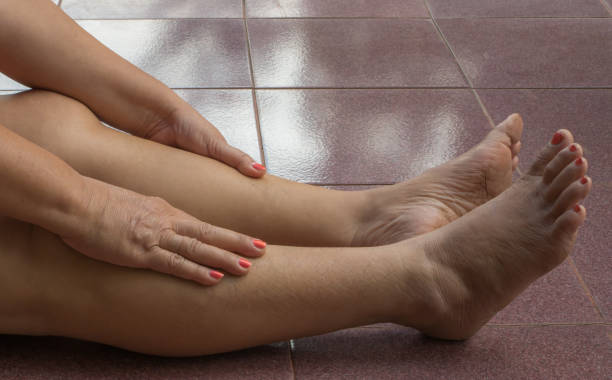
If your legs feel heavy, achy, or tired ‑ especially towards the end of the day ‑ you’re not alone. Many people experience this sensation, but few realise it could be a sign of something more than just fatigue. In some cases, it may be related to poor circulation in the legs, and in others, it could signal venous reflux or early-stage varicose veins.
What Causes That “Heavy Legs” Feeling?
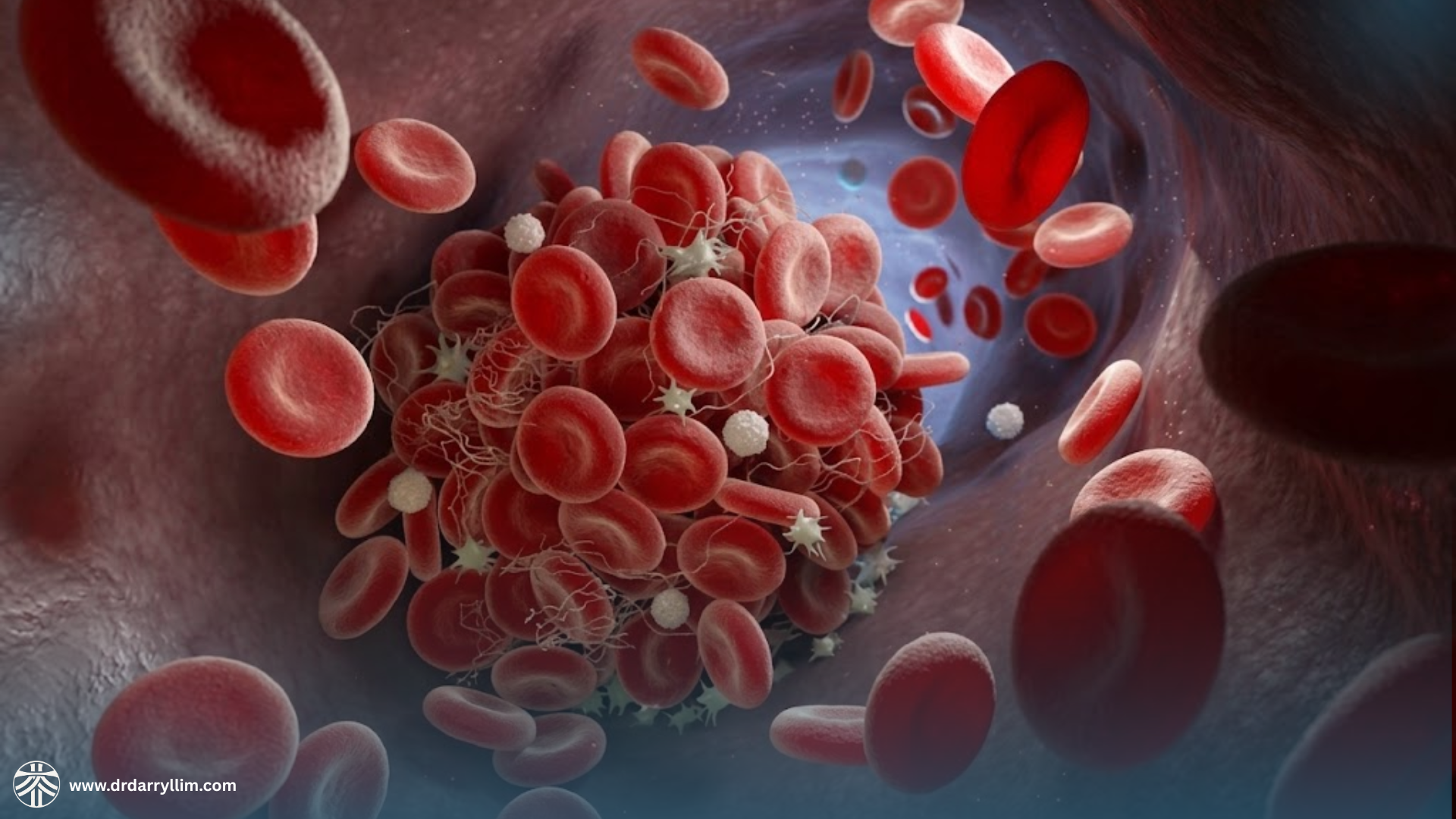
Legs that feel heavy or weighed down can be caused by a few different things, but one of the most common reasons is venous insufficiency ‑ a condition where the valves in your veins don’t work properly, causing blood to pool in the legs instead of flowing back towards the heart.
Other common causes include:
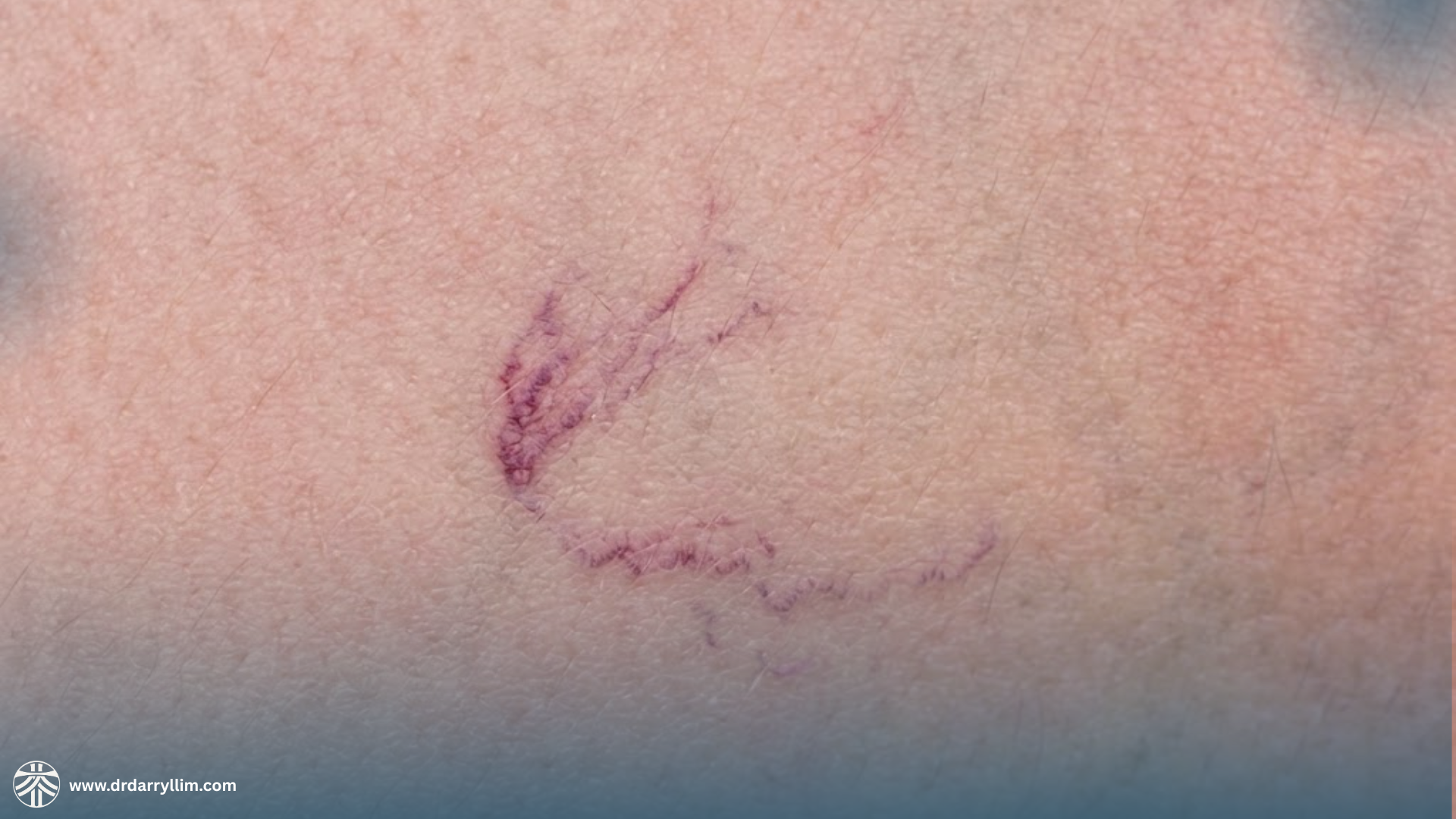
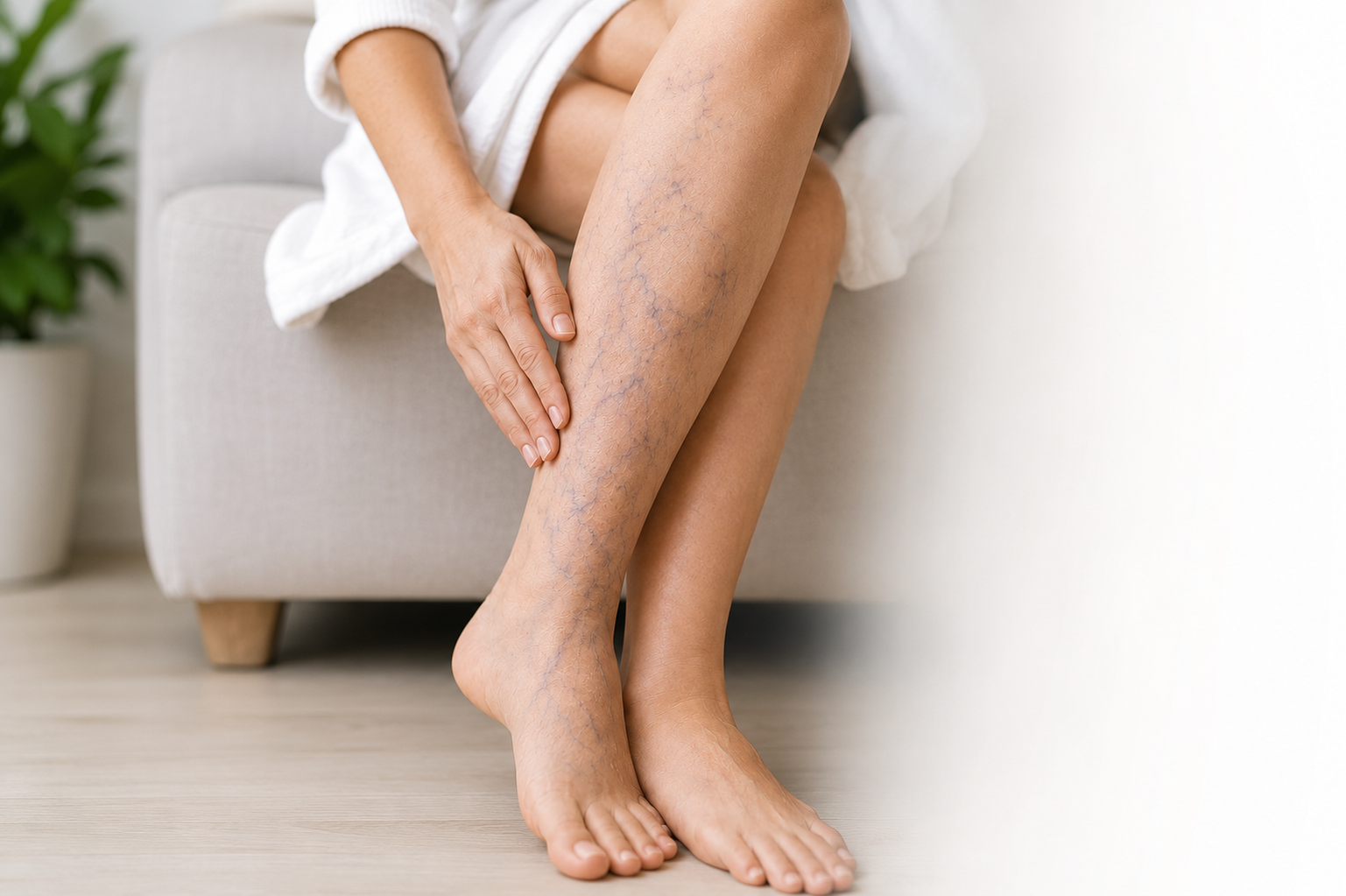
- Varicose veins or spider veins
- Long periods of standing or sitting
- Pregnancy or hormonal changes
- Excess weight
- Heat or humidity, which causes veins to dilate
- Age-related vein changes
If you’re often asking yourself, “Why do my legs feel heavy?”, especially in the evenings or after being on your feet all day, it may be time to look at your veins a little more closely.

Heavy Legs and Varicose Veins: What’s the Connection?
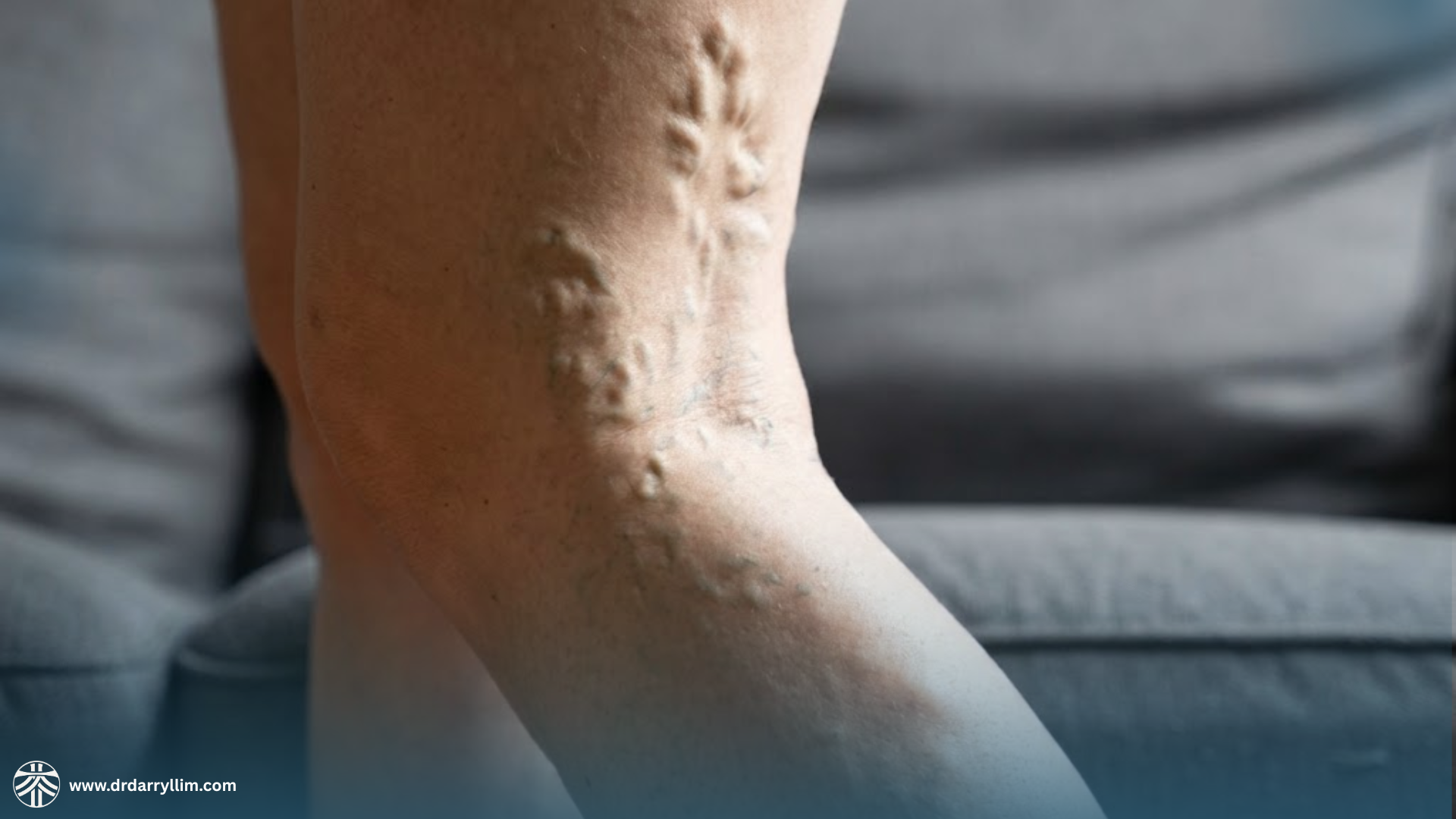
Varicose veins are one of the most common causes of heavy, aching legs. When the valves in your veins weaken, blood struggles to flow upwards and starts pooling in the lower limbs. This pressure buildup leads to that sensation of heaviness, swelling, and tiredness.
In many cases, heavy legs are one of the earliest symptoms of chronic venous insufficiency ‑ even before visible veins appear. Other symptoms may include:
- Swelling around the ankles
- Throbbing, cramping, or a dull ache
- Itching or tingling sensations
- Skin discolouration or texture changes (in advanced stages)
When Is It Just Fatigue ‑ and When Is It a Sign of Poor Circulation?
Occasional heaviness after intense exercise or a long day on your feet is normal. But if the sensation happens regularly ‑ especially if it’s accompanied by swelling, cramping, or visible veins ‑ it’s worth investigating further. If the cramping or achiness tends to happen or worsen at night, see our guide on aching or crampy legs at night for possible causes.
You should consider seeing a doctor if:
- Your legs feel heavy or tired daily or progressively worsening
- You notice swelling, especially around the ankles
- You have visible varicose or spider veins
- There’s itching, skin darkening, or ulcers
- You feel discomfort when standing or sitting for long periods
These can be signs of poor circulation in the legs or underlying vein disease that may benefit from early treatment.
How Is It Diagnosed?
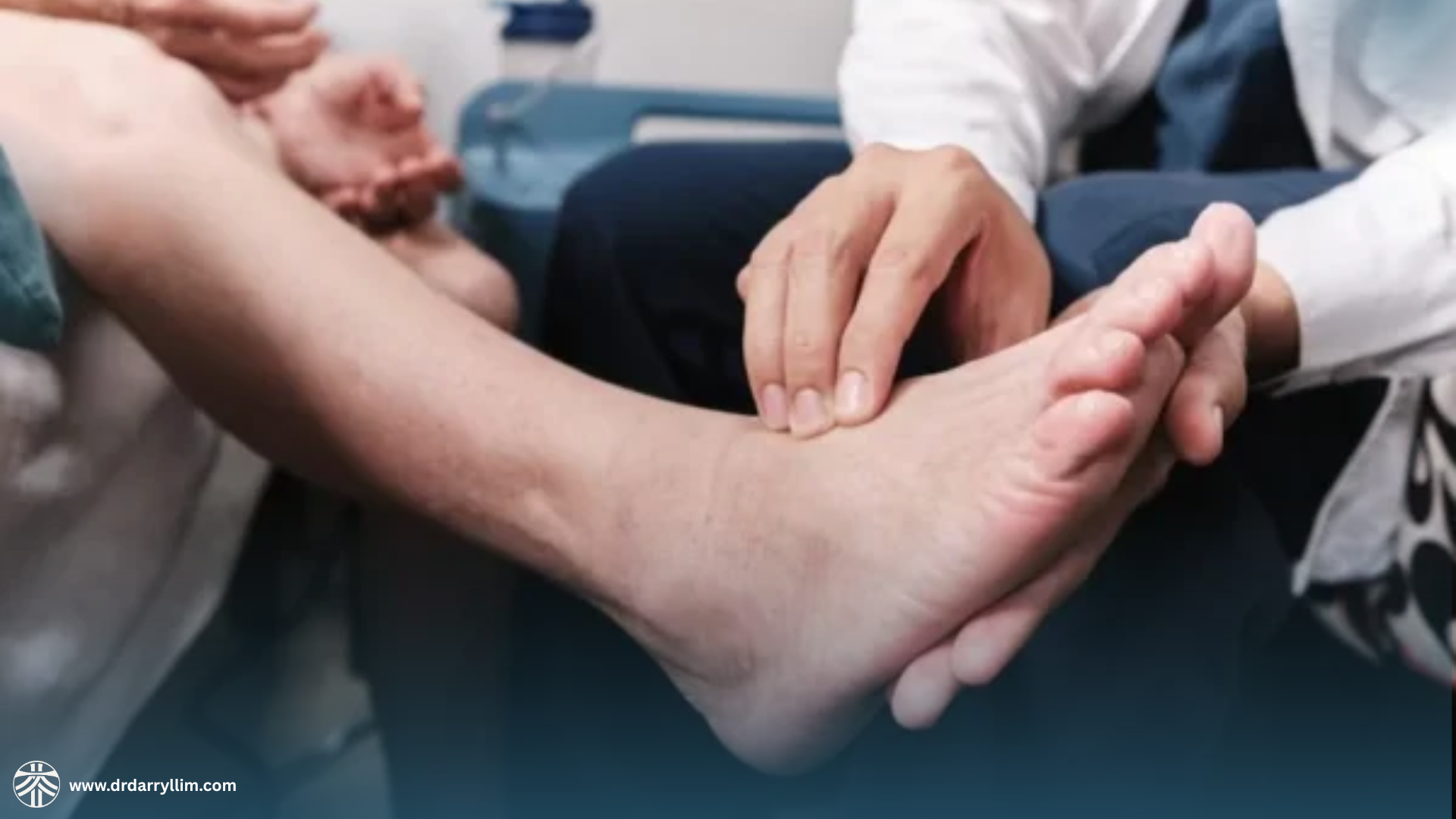
A vascular surgeon will usually perform a clinical assessment and ultrasound scan to evaluate your leg veins. This helps to identify any valve leakage, blood pooling, or blocked segments that may be causing the symptoms.
The scan is non-invasive and takes about 30-45 minutes per leg (depending on how extensive the reflux is).
What Can Be Done?
If your heavy legs are caused by underlying vein problems, there are several treatment options depending on the severity:
- Lifestyle changes – Elevating your legs, walking regularly, weight management
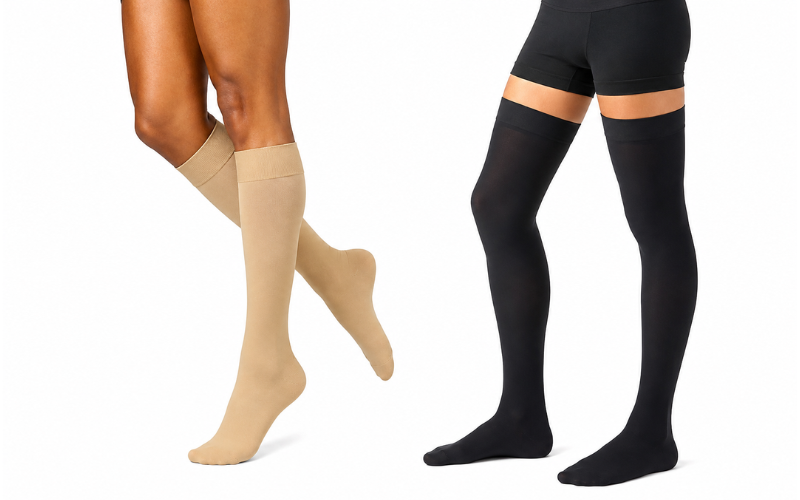
- Compression stockings – Help support circulation and reduce swelling
- Sclerotherapy – For smaller superficial spider veins
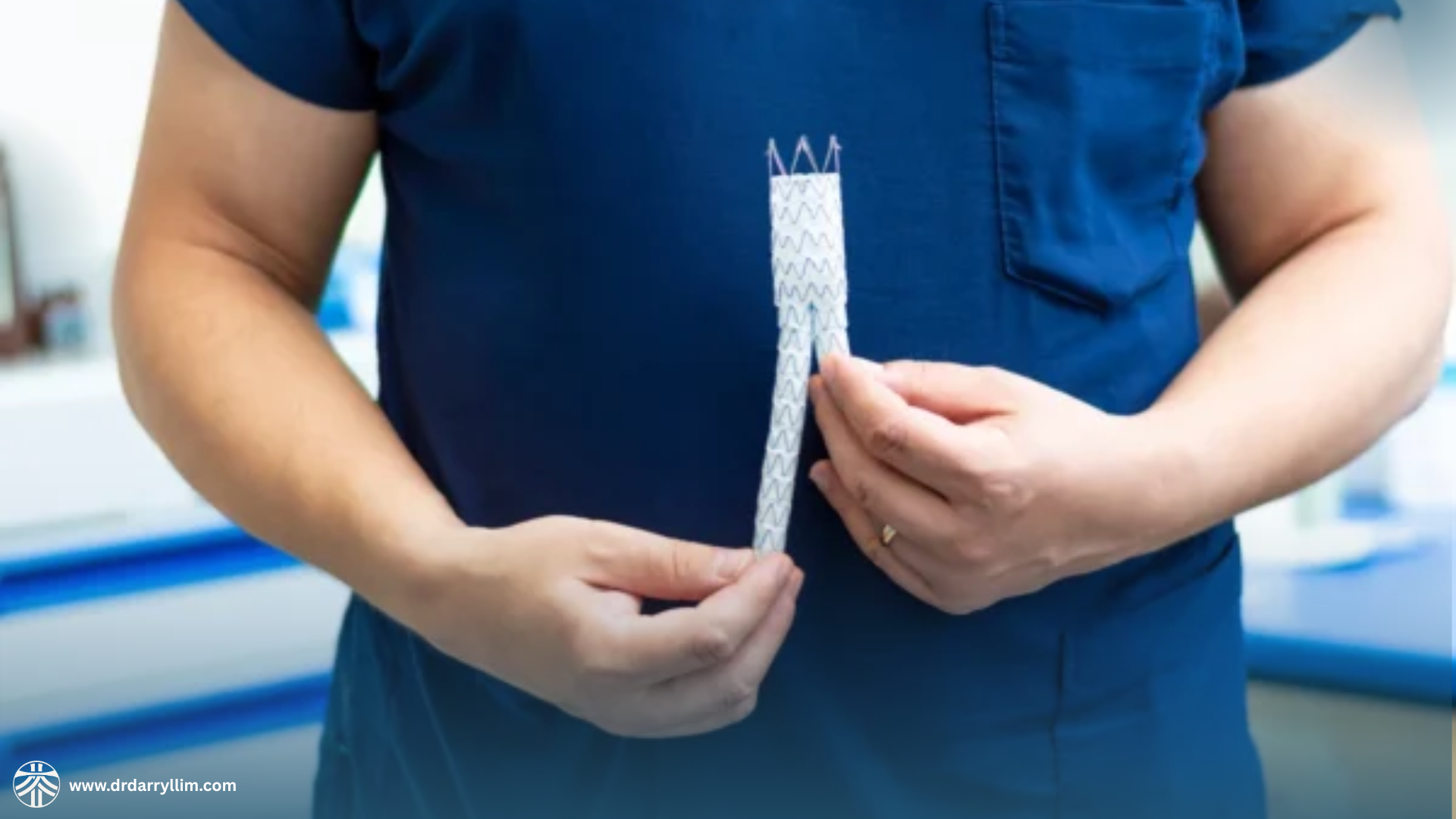
- Minimally Invasive Venous Reflux Surgery (eg. Radiofrequency Ablation, Clarivein) – for treatment of underlying venous reflux
Early treatment not only relieves symptoms but also helps prevent further vein damage and complications down the line.

Final Thoughts
If you’re wondering why your legs feel heavy ‑ and the feeling isn’t going away ‑ it’s worth listening to your body. Heavy legs can be an early sign of poor circulation or venous insufficiency, and recognising the symptoms early can make treatment simpler and more effective.
Dr. Darryl Lim is a vascular surgeon in Singapore who provides evaluation and treatment for varicose veins and other circulation-related leg symptoms. If you’ve been living with tired, heavy legs, a vein scan could be the first step toward feeling lighter again.
FAQ
Are heavy legs always caused by varicose veins?
Not always ‑ but varicose veins are a common cause, especially if the heaviness comes with swelling or visible veins.
What helps relieve heavy legs?
Compression stockings, elevating your legs, and regular walking can help. If the issue persists, a vein scan can determine if treatment is needed.
Can heavy legs be serious?
In some cases, they may indicate poor venous circulation or deep vein issues. It’s recommended not to ignore persistent symptoms.