NTUC IncomeShield Panel Doctor: What You Need To Know

Choosing an NTUC IncomeShield panel doctor like Dr. Darryl Lim ensures lower out-of-pocket costs, faster claims, and access to pre-authorisation support for vascular treatments. Learn how panel specialists help you make the most of your IncomeShield coverage.
Picture of Dr. Darryl Lim

Dr. Darryl Lim

Vascular and Endovascular Surgeon | Singapore

If you have NTUC IncomeShield coverage, choosing a panel doctor can make a big difference. From lower medical bills to faster claims and pre-authorisation support, working with a panel specialist — like vascular surgeon Dr. Darryl Lim — offers clear advantages for your treatment and peace of mind.

Whether you’re planning a hospital stay, seeking specialist care, or trying to understand your plan benefits, here’s what you need to know about how panel doctors work and how they can help you make the most of your NTUC IncomeShield coverage.

NTUC IncomeShield Panel Doctor What You Need To Know

What Is an NTUC IncomeShield Panel Doctor?

In Singapore’s healthcare system, Integrated Shield Plans (IPs) supplement MediShield Life, providing additional coverage for private hospitals, higher-class wards in public hospitals, and specialist treatments.

NTUC IncomeShield is one such plan, offered by Income Insurance (formerly known as NTUC Income). When you’re covered by this plan, you’ll encounter two types of healthcare providers:

  • Panel doctors: Specialists officially recognized by NTUC Income who are part of their approved network.
  • Non-panel doctors: Licensed specialists who are not part of NTUC Income’s panel network.

Panel doctors have gone through a selection and vetting process and typically provide more predictable pricing and easier pre-authorization and claims processes for IncomeShield policyholders.

Why Choosing a Panel Doctor Can Save You Time and Money

Here are some key reasons why seeing a panel doctor matters:

  • Lower Out-of-Pocket Costs: For policyholders with the Deluxe Care Rider, co-payment is capped at 5% of the total bill (up to $3,000 per policy year) when treated by a panel doctor. With the Classic Care Rider, co-payment is 10%, also capped at $3,000 per year. Choosing a non-panel or extended panel doctor may incur an additional payment of up to $2,000 per policy year.
  • Pre-Authorisation Support: You’ll know in advance how much NTUC will cover with a Letter of Guarantee (LOG).
  • Faster Claim Approvals: Claims are processed more smoothly and quickly when treated by panel doctors.
  • Predictable Billing: Avoid bill shocks with pre-negotiated treatment costs.
  • Trusted Care: Panel specialists like Dr. Darryl Lim are regularly audited for quality and meet stringent selection criteria.

In addition, if you’re on the Enhanced IncomeShield Preferred plan, you may be eligible for extended coverage, including:

  • Up to 180 days of pre-hospitalisation treatment, and
  • Up to 365 days of post-hospitalisation follow-up, provided the inpatient procedure is performed by a panel doctor. This helps ensure your treatment and recovery are both medically and financially supported.

Seeing a non-panel doctor may still be an option, but it typically means higher out-of-pocket payments, reduced benefits, and no access to pre-authorisation services. Want to check if Dr. Darryl Lim is on your NTUC Income panel list? See our full guide to the NTUC Income list of panel doctors.

NTUC IncomeShield Panel Doctor

How Does the Pre-Authorisation Process Work?

One of the most important benefits of choosing a panel doctor is pre-authorisation. Here’s how it helps:

  1. Your doctor submits a request to NTUC Income before your procedure to estimate how much will be covered.
  2. You receive a Letter of Guarantee (LOG) — giving you clarity and peace of mind.
  3. The LOG acts as a commitment from the insurer to cover a specified portion of the bill.
  4. In many cases, direct billing is arranged so you don’t have to pay large amounts upfront.

This process simplifies your financial planning and reduces stress during treatment.
Share:

Facebook
Twitter
Pinterest
LinkedIn
Dr. Darryl Lim

Dr. Darryl Lim

Vascular and Endovascular Surgeon | Singapore

Dr. Darryl Lim is a Senior Consultant Vascular and Endovascular Surgeon at the Novena Vascular and Varicose Vein Centre in Singapore. Before this role, he served as the Director of the Vascular Unit at Changi General Hospital and as a Service Chief at the Singhealth-Duke NUS Vascular Centre. Under his tenure, Changi General Hospital’s Vascular Unit was recognized as a regional centre of excellence.

Dr. Lim has a strong commitment to training emerging interventionalists and enhancing the capabilities of vascular units in Southeast Asia. He is regularly invited to travel to regional units to conduct live case workshops and to speak at international conferences.

Related Posts

Do Varicose Veins Always Need Treatment?

Varicose veins do not always need treatment. Mild, stable varicose veins without symptoms, swelling, skin changes or complications can often be monitored. Treatment is usually considered when varicose veins cause persistent aching, heaviness, swelling, night cramps, itching, skin changes, thrombophlebitis, bleeding or venous ulcers- especially when duplex ultrasound shows significant reflux that matches the symptoms. Conservative measures can help control symptoms, but they do not repair underlying damaged vein valves.

Do I Need a GP Referral to See a Vascular Surgeon in Singapore?

You usually do not need a GP referral to see a private vascular surgeon in Singapore. You can book a private consultation directly. A referral is usually needed if you want subsidised care at a public hospital Specialist Outpatient Clinic, and some Integrated Shield Plans or corporate medical insurance schemes may require a referral before specialist fees are claimable. For urgent vascular symptoms such as sudden severe leg pain, a cold or blue foot, sudden breathlessness, or major bleeding, go directly to A&E.

MediSave cost calculation for varicose vein treatment and vascular procedures in Singapore

Does MediSave Cover Varicose Vein Treatment in Singapore?

MediSave may be used for varicose vein treatment in Singapore when the condition is medically indicated, such as when symptoms and duplex ultrasound confirm venous reflux. Minimally invasive treatments such as RFA, ClariVein, VenaSeal, ultrasound-guided sclerotherapy or mini phlebectomies may be claimable when performed as an approved surgical or day surgery procedure (with an appropriate TOSP code). Purely cosmetic spider vein treatment is generally not MediSave-claimable.

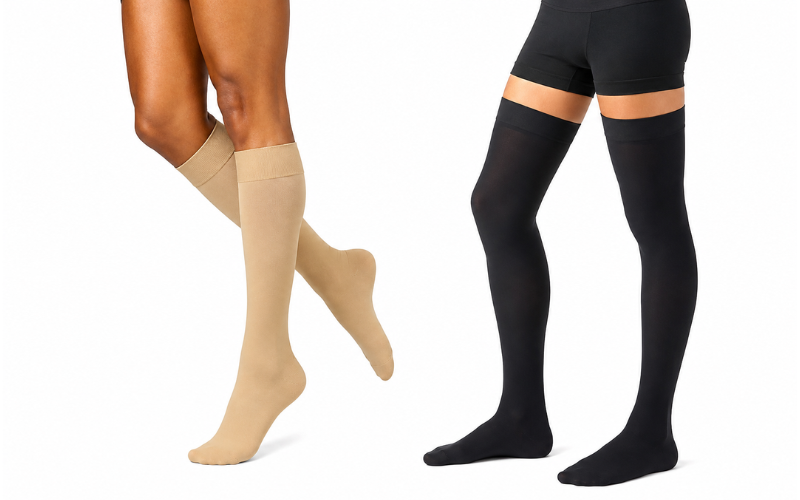
Medical compression stockings used to improve circulation, reduce leg swelling, and support venous insufficiency treatment

Do Compression Socks Help Restless Legs? When They Work and When They Don’t

Compression socks may help restless or uncomfortable legs when symptoms are linked to venous pooling, swelling, varicose veins, or chronic venous insufficiency. They are not a cure for true neurological Restless Legs Syndrome, but they can reduce heaviness, aching, crampy tightness, and night-time discomfort in selected patients. If restless legs come with swelling, visible veins, or ankle skin changes, a vascular assessment may be useful.

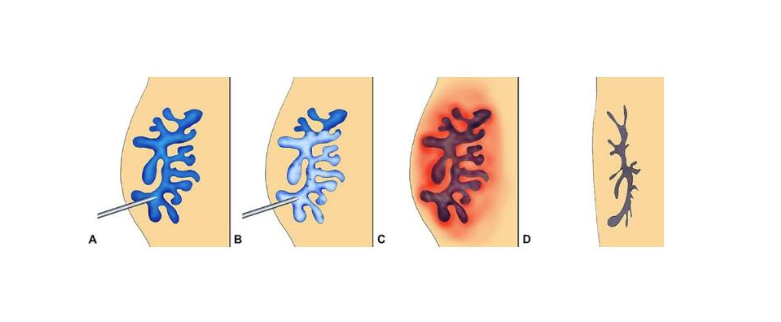
Illustration showing the treatment process and closure of a varicose vein after minimally invasive vein treatment

What Happens to Varicose Veins After Treatment?

After varicose vein treatment, the diseased vein is usually closed, sealed, or removed so blood can
reroute through healthier veins. The treated vein may still be visible or feel firm at first, but over weeks
to months, the body gradually breaks it down. Symptoms such as heaviness, aching, and swelling
often improve earlier than the visible appearance. Full cosmetic results take time, and some patients
may need staged treatment for remaining surface veins or spider veins.