
Many women notice that their legs feel heavier, more painful, or more swollen at certain times of the month. Some even observe that varicose veins appear more prominent just before or during their menstrual period. This is not a coincidence.
Hormonal fluctuations throughout the menstrual cycle can directly affect vein function, circulation, and symptom severity- especially in women who already have underlying vein weakness.
In this article, Dr. Darryl Lim, a vascular and varicose vein specialist in Singapore, explains how menstrual hormones influence veins, why symptoms often worsen cyclically, and when these changes signal an underlying vein condition that should be evaluated.
Why Varicose Veins Are More Common in Women
Before looking at the menstrual cycle specifically, it helps to understand why women are more prone to varicose veins overall.
Women experience:
- Repeated hormonal fluctuations across decades
- Pregnancy-related vein stress
- Hormone exposure from contraceptives or fertility treatments
Estrogen and progesterone (key female hormones) affect vein wall tone, elasticity, and valve function, making veins more vulnerable to pressure and reflux over time.
How the Menstrual Cycle Affects Vein Health
The menstrual cycle has phases with predictable hormone patterns. If you’ve ever searched “why are my varicose veins worse before my period” or “heavy legs before period”, this is usually the reason.
1) Luteal phase (after ovulation, before your period)
This is the phase where many women feel the worst leg symptoms.
What’s going on:
- Progesterone rises
- Blood vessels (including veins) may become a bit more relaxed
- Some women retain more fluid and feel “puffier” overall
What you may notice:
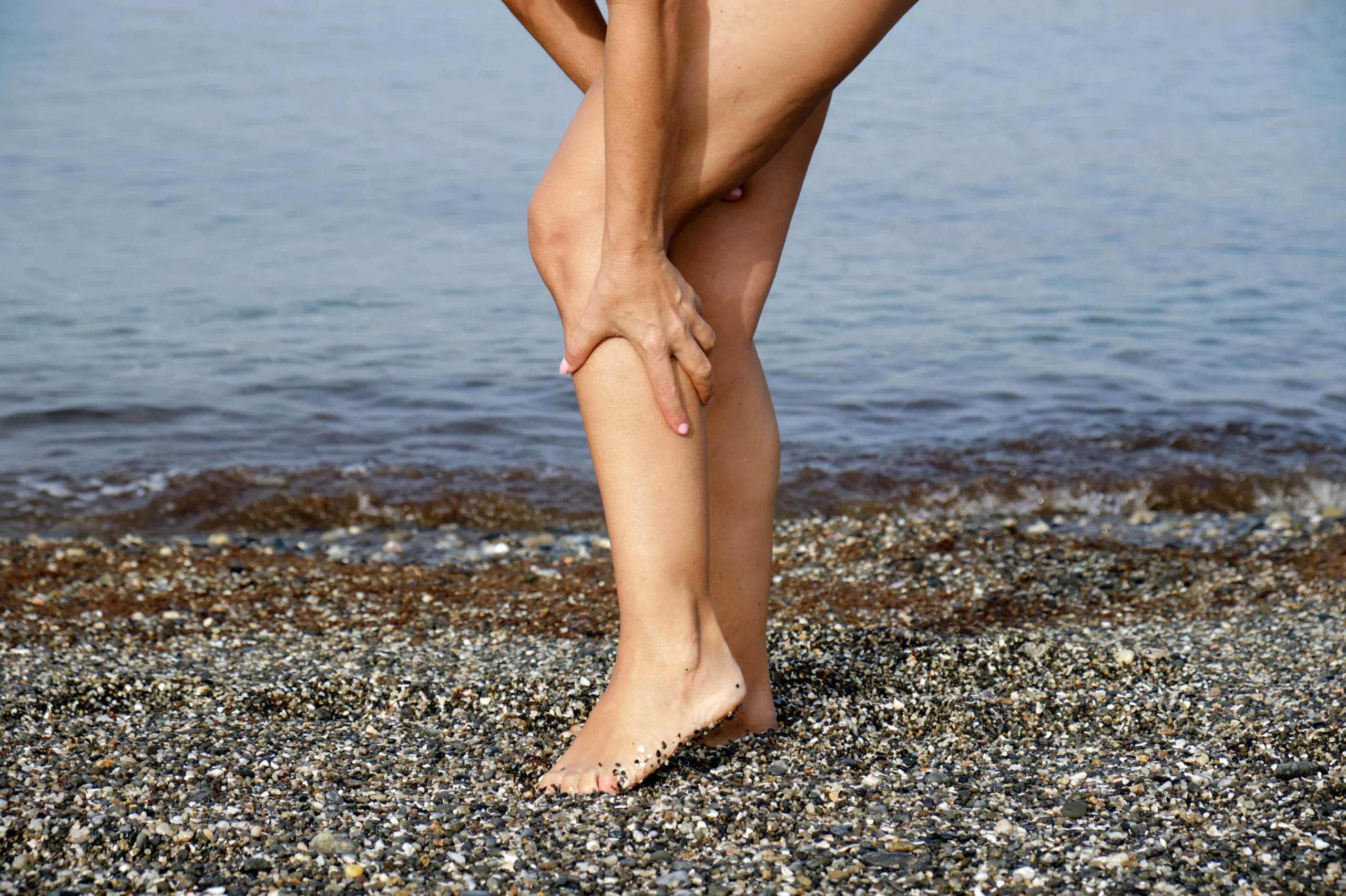
- Leg heaviness
- Aching or throbbing, especially after standing
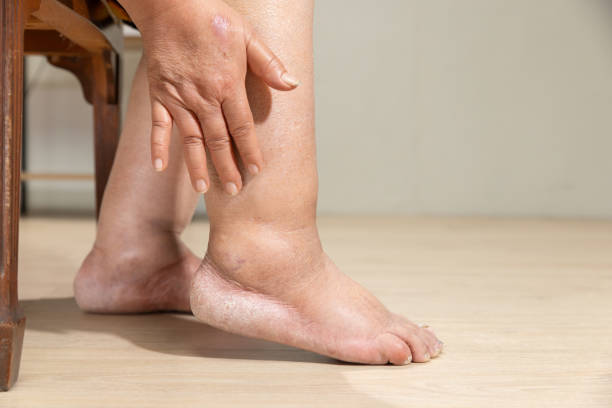
- Ankle swelling (often worse in the evening)
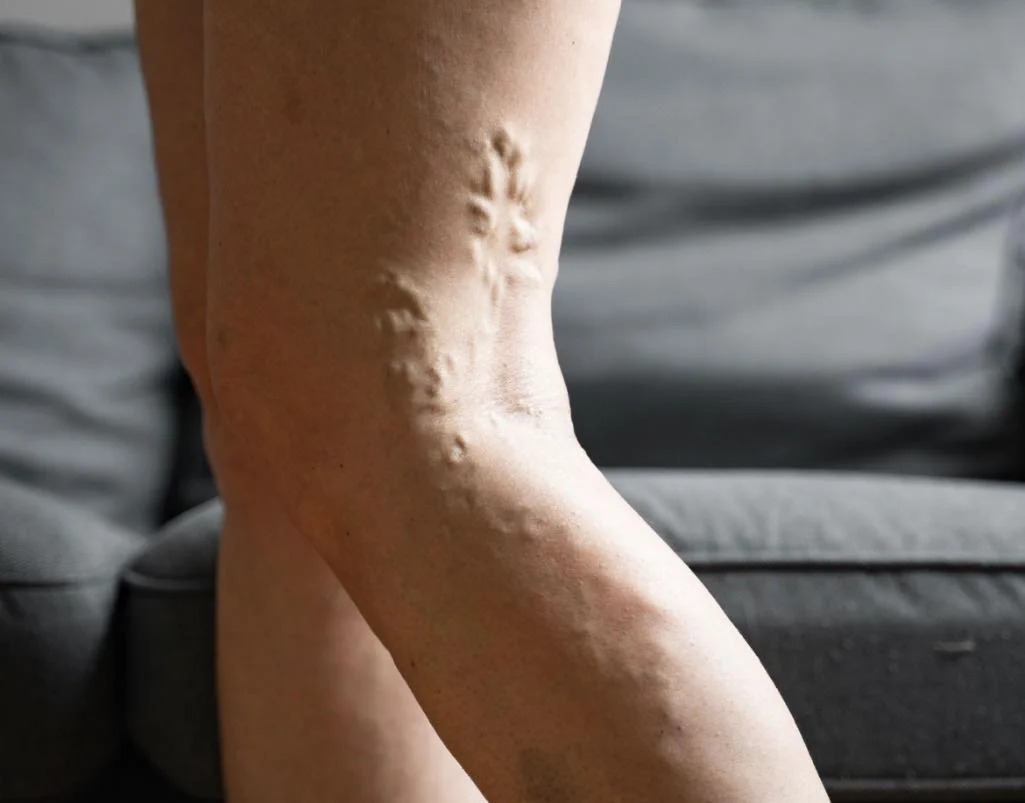
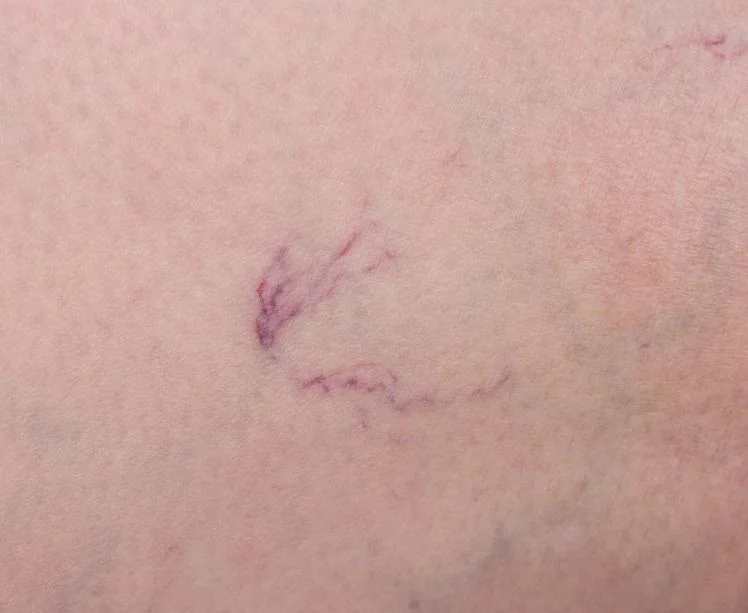
- Varicose veins looking more prominent
The key point: progesterone can reduce vein tone and, combined with premenstrual fluid retention, may increase pooling in the legs. If you already have venous reflux, you tend to feel these changes more.
2) During menstruation
Hormone levels drop. Some women still feel leg discomfort for a few days because of inflammation, cramps, sleep disruption, and ongoing fluid shifts.
Common complaints:
- Tired, heavy legs
- Achiness around existing varicose veins
- A “bruised” sensitivity over visible veins in some women
If you have venous insufficiency, symptoms may linger throughout your period rather than improving quickly.
3) Follicular phase (after the period ends)
This is often when symptoms ease.
As oestrogen rises gradually:
- Swelling may reduce
- Legs can feel lighter
- End-of-day aching may be less noticeable
Why Menstrual-Related Vein Symptoms Matter- Is this “normal PMS swelling” or a sign of venous insufficiency?
Some degree of leg puffiness before a period can happen even without vein disease. The difference is usually the pattern and persistence.
More likely PMS-related:
- Mild swelling that affects both legs equally
- Improves quickly once your period starts or ends
- No prominent veins, no long-standing heaviness
- Mainly a “bloated” feeling all over
More likely vein-related (venous reflux / venous insufficiency):
- Heaviness and aching that worsens with standing
- Swelling mainly around the ankles
- Visible veins that become more obvious each month
- Symptoms that have been slowly increasing over time
- Skin itch, eczema-like irritation, or darkening around the ankle
If you’re getting predictable monthly flares plus visible veins, it’s worth checking — not because it’s an emergency, but because it’s often an early sign that valves are struggling.
Can Menstrual Cycles Cause Varicose Veins?
Menstrual cycles do not directly cause varicose veins, but they can accelerate symptoms and progression in women who are already predisposed.
Risk factors that amplify hormonal effects include:
- Family history of varicose veins
- Long hours of standing or sitting
- Previous pregnancies
- Weight gain
- Prior pelvic or leg vein issues
Over years of repeated hormonal exposure, weakened valves may fail earlier than they otherwise would.
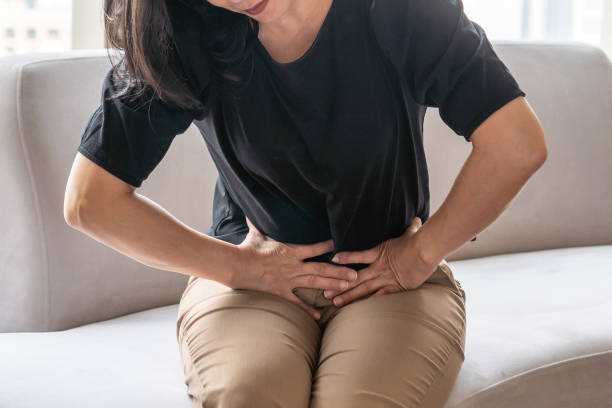
The Link Between Menstrual Cycles and Pelvic Vein Issues
In some women, leg vein symptoms that flare around menstruation may be connected to Pelvic Congestion Syndrome (PCS).
This involves dilated pelvic veins with reflux, which can:
- Increase pressure feeding into leg veins
- Trigger cyclical heaviness or aching (often worse premenstrually)
- Contribute to varicose vein development in certain patterns
PCS can be overlooked because the leg veins may look “not that bad”, yet symptoms are strong and cyclical. If your symptoms are very period-dependent or you also have pelvic heaviness/pain, it’s worth mentioning during assessment.
Birth Control, Hormones, and Varicose Veins
Some women notice heavier legs or swelling after starting hormonal contraception.
A practical way to think about it:
- Hormones may influence vein tone and fluid retention (symptoms)
- Combined oestrogen-containing contraception can also increase clot risk, especially if you have other risk factors (smoking, obesity, thrombophilia, or a personal/family history of clots)
This doesn’t mean contraception must be avoided — it just means it should be individualised. If your symptoms clearly changed after starting or switching medication, bring it up.
Managing Varicose Vein Symptoms During Your Cycle
While hormones cannot be eliminated, symptoms can often be reduced with targeted strategies.
Practical Symptom-Relief Measures
- Elevate your legs during the premenstrual phase.
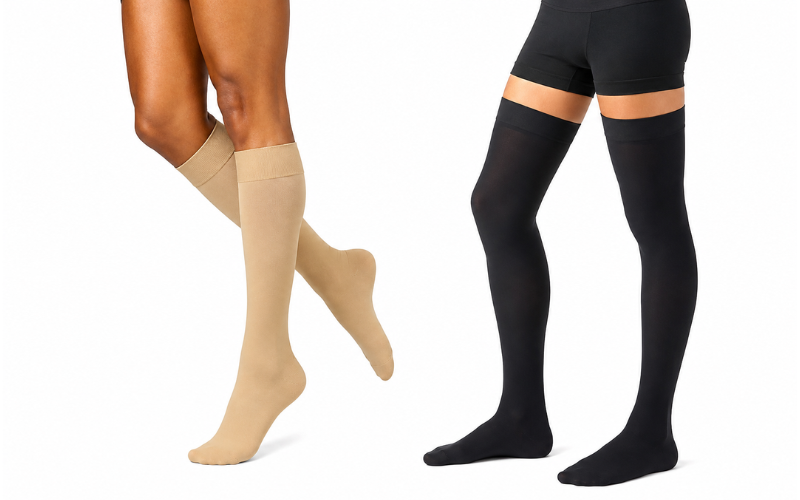
- Wear compression stockings on high-symptom days
- Stay physically active to support the calf muscle pump
- Reduce salt intake before your period to limit fluid retention.
- Stay well hydrated
These steps can significantly improve comfort during hormone-sensitive phases.
When Menstrual-Related Vein Symptoms Should Be Evaluated
You should consider professional evaluation if:
- Leg pain or swelling worsens predictably every cycle
- Varicose veins become increasingly prominent.
- Symptoms interfere with work or daily activities.
- Skin changes (itching, discoloration) appear.
- Relief strategies are no longer effective.
Cyclical symptoms often mean the vein system is under strain and deserves closer assessment.
How Vein Problems Are Properly Diagnosed
A thorough evaluation includes more than visual inspection.
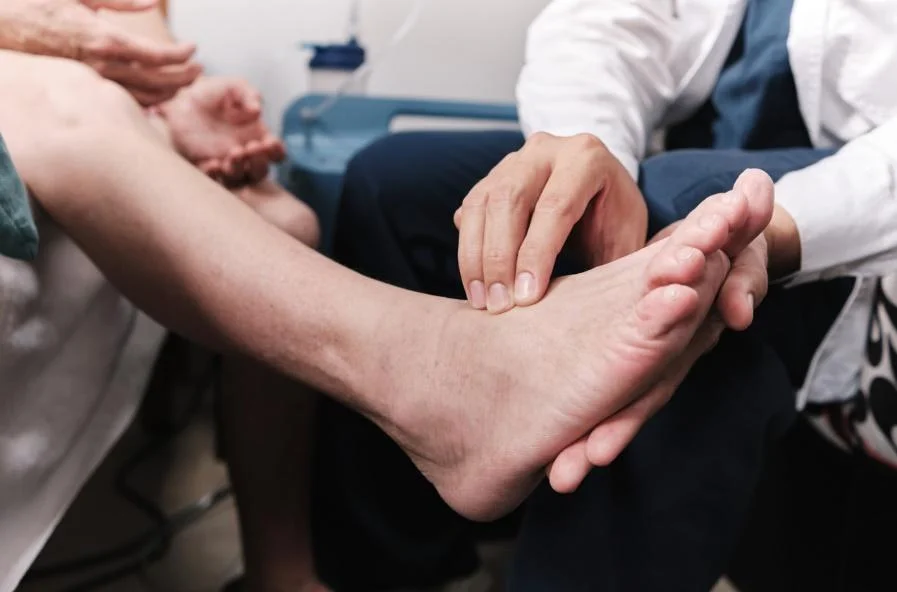
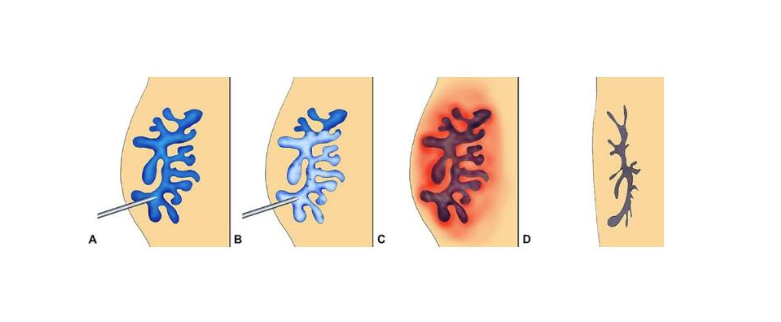
The gold standard test is duplex ultrasound, which allows a vein specialist like Dr Darryl Lim to:
- Assess vein valve function
- Detect reflux (backward blood flow)
- Identify which veins are affected
- Determine whether pelvic or leg veins are involved
Accurate diagnosis ensures that treatment addresses the cause—not just the symptoms.
Can Treating Varicose Veins Reduce Menstrual-Related Leg Symptoms?
In many cases, yes.
If venous reflux is corrected:
- The vein system copes better with monthly fluid/hormone shifts
- Premenstrual symptom spikes are often reduced
- Swelling and aching tend to settle over time
Treatment doesn’t change the menstrual cycle — but it can reduce how much your veins “react” to it.
The Bottom Line
The menstrual cycle can genuinely affect vein symptoms. In the premenstrual phase, hormonal changes and fluid retention can make legs feel heavier and varicose veins look more prominent- especially if you already have venous reflux.
If your symptoms follow a clear monthly pattern, or you’re noticing a gradual worsening over time, it’s worth getting assessed. Often, it’s not “just hormones”- it’s hormones revealing an underlying vein issue that can be treated properly.
Frequently Asked Questions
Is it normal for varicose veins to hurt more before my period?
Yes. Progesterone rises before menstruation and can relax vein walls, worsening pooling and discomfort.
Do menstrual cycles cause varicose veins?
No. They do not cause them directly but can worsen symptoms and progression in predisposed women.
Can compression stockings help during my period?
Yes. Many women find compression especially helpful during premenstrual days.
Should I be concerned if symptoms are cyclical?
Cyclical symptoms suggest hormone-sensitive venous strain and are a good reason to seek evaluation.