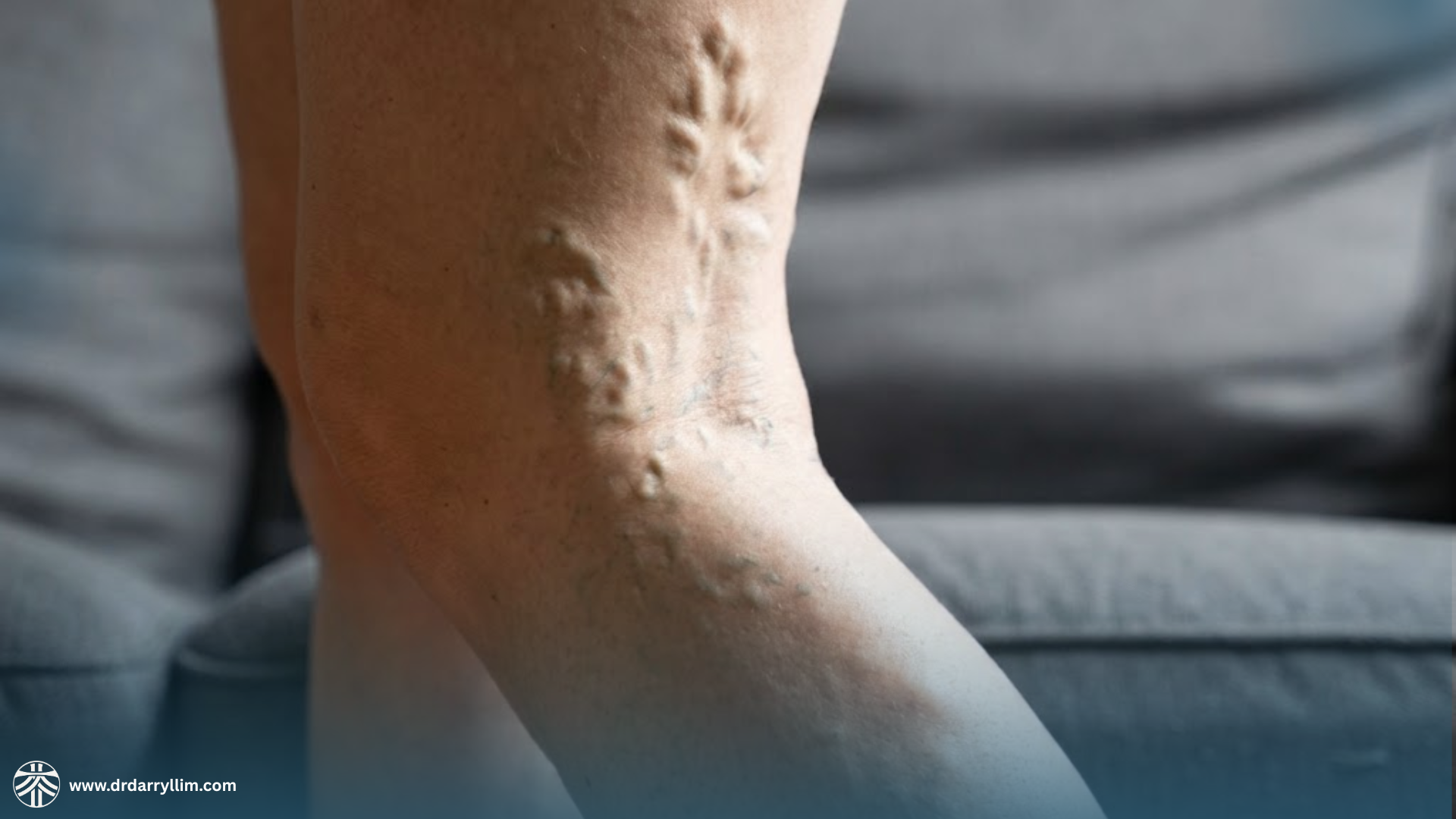

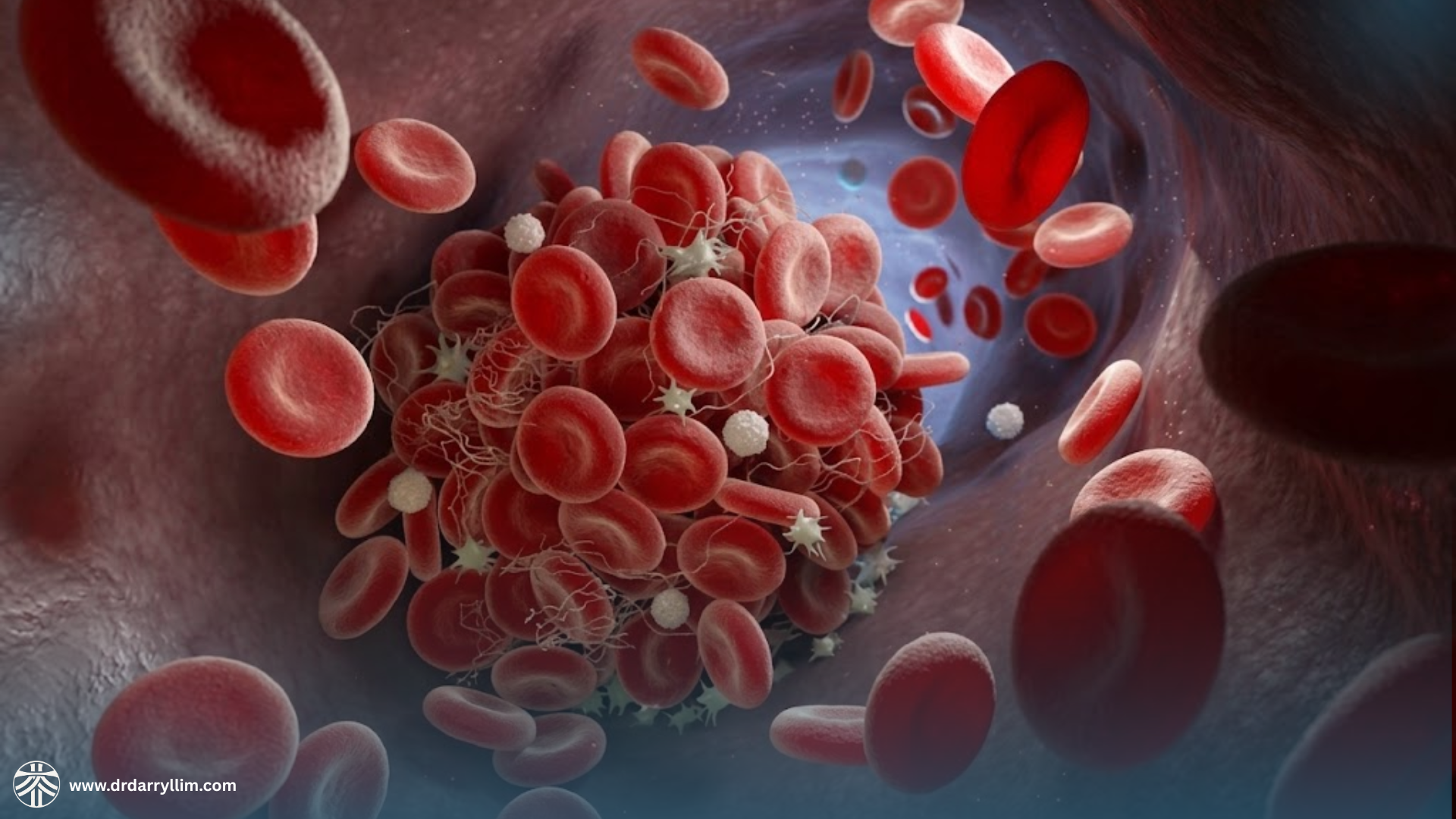
Deep vein thrombosis (DVT) is a serious condition where blood clots form in the deep veins, usually in the legs. If left untreated, DVT can lead to life-threatening complications like pulmonary embolism. A vascular specialist for deep vein thrombosis is the right doctor to consult, as they are trained to diagnose and manage blood clots, restore circulation, and prevent recurrence.
While other doctors may be involved in managing DVT, a vascular specialist provides comprehensive care by:
Other specialists may contribute, including
To confirm DVT and plan treatment, vascular specialists may use:
Accurate diagnosis is crucial for selecting the most appropriate treatment approach.
Treatment depends on the severity of the clot and patient health. Options include:
A vascular specialist ensures the right balance between safety and effectiveness.
Even after treatment, patients may face risks such as post-thrombotic syndrome (chronic swelling, pain, or skin changes). A vascular specialist can help prevent complications by:
If you are concerned about deep vein thrombosis, consulting a vascular specialist is essential. With expertise in diagnosis, medication management, and advanced procedures like clot removal or filter placement, they provide comprehensive care to protect your health and prevent serious complications.
A vascular specialist or vascular surgeon is well suited to treat DVT. They specialize in diagnosing and treating blood vessel conditions, including clots in the deep veins of the legs.
Common symptoms include leg pain, swelling, warmth, and redness, usually in one leg. If you notice sudden chest pain or shortness of breath, seek emergency care – it could indicate a pulmonary embolism.
No, DVT does not usually go away without treatment. Without medical care, the clot may grow or travel to the lungs. Prompt evaluation by a vascular specialist is essential.
The most common diagnostic test is a duplex ultrasound, which detects blood clots and monitors blood flow. In some cases, CT or MR venography and D-dimer blood tests are also used.
Treatment depends on the severity of the clot. Options include anticoagulants (blood thinners), thrombolytic therapy to dissolve clots, or thrombectomy to remove them. A vascular specialist determines the safest and most effective approach.
Prevention includes taking prescribed medications, wearing compression stockings, staying active, and avoiding long periods of sitting. Regular follow-up with a vascular specialist helps monitor vein health and reduce recurrence.






Are you ready to transform your vascular health with dedicated care and advanced treatments?
Dr. Darryl Lim and his dedicated team are committed to providing personalized, compassionate care. Whether you’re dealing with varicose veins, peripheral artery disease, or other vascular conditions, Dr. Lim’s approach and dedication ensure you receive carefully tailored, evidence-based care.

Dr. Darryl Lim is a Senior Consultant Vascular and Endovascular Surgeon at the Novena Vascular and Varicose Vein Centre in Singapore. Before this role, he served as the Director of the Vascular Unit at Changi General Hospital and as a Service Chief at the Singhealth-Duke NUS Vascular Centre. Under his tenure, Changi General Hospital’s Vascular Unit was recognized as a regional centre of excellence.
Dr. Lim has a strong commitment to training emerging interventionalists and enhancing the capabilities of vascular units in Southeast Asia. He is regularly invited to travel to regional units to conduct live case workshops and to speak at international conferences.