
Comparing Sclerotherapy and Venaseal for Varicose Vein Treatment

Varicose veins, often painful and unsightly, can significantly impact quality of life. This article compares two effective treatments: sclerotherapy and Venaseal. Discover which option best suits your medical and personal preferences with expert insights from Dr. Darryl Lim.
Picture of Dr. Darryl Lim

Dr. Darryl Lim

Vascular and Endovascular Surgeon | Singapore

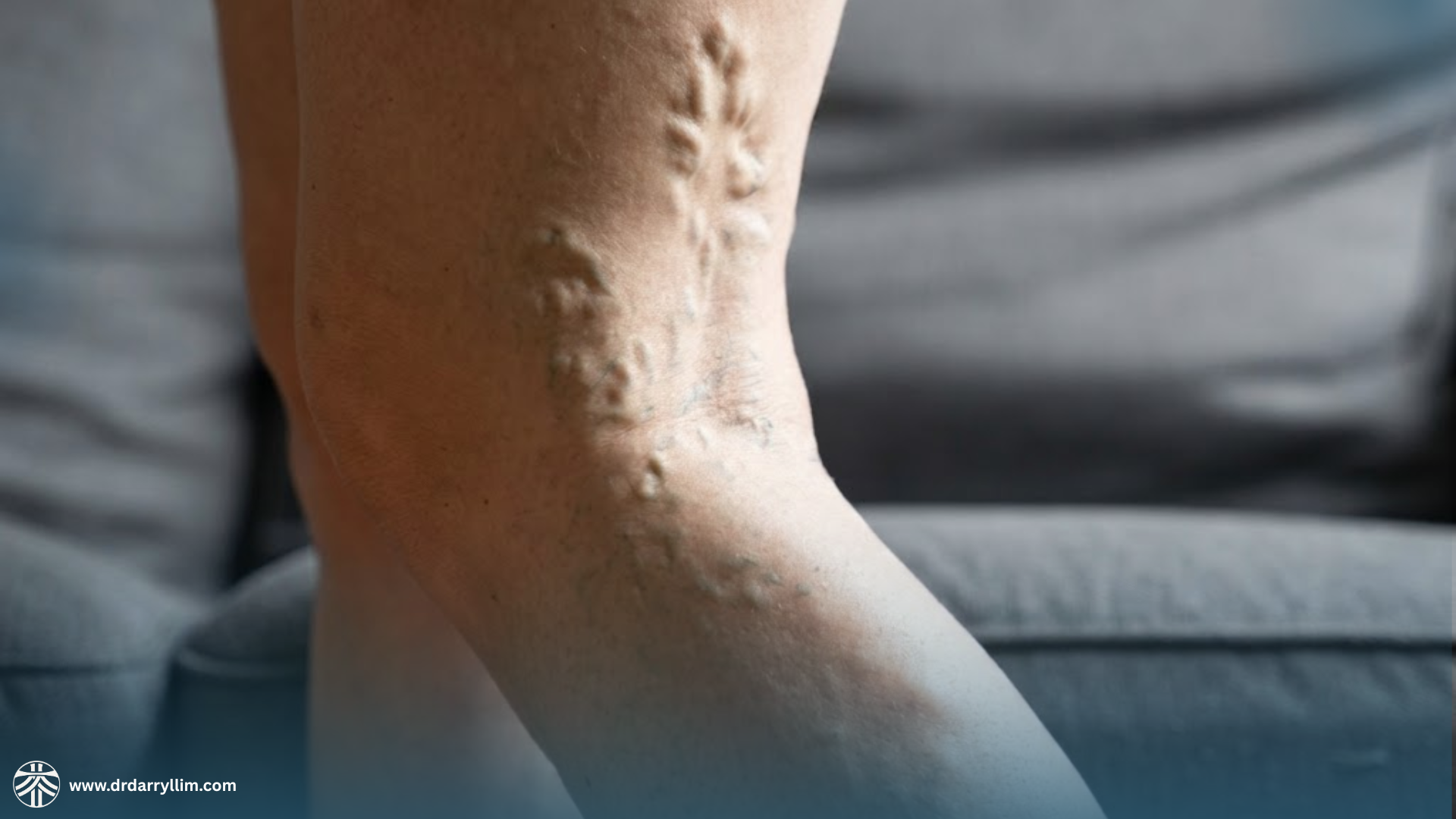
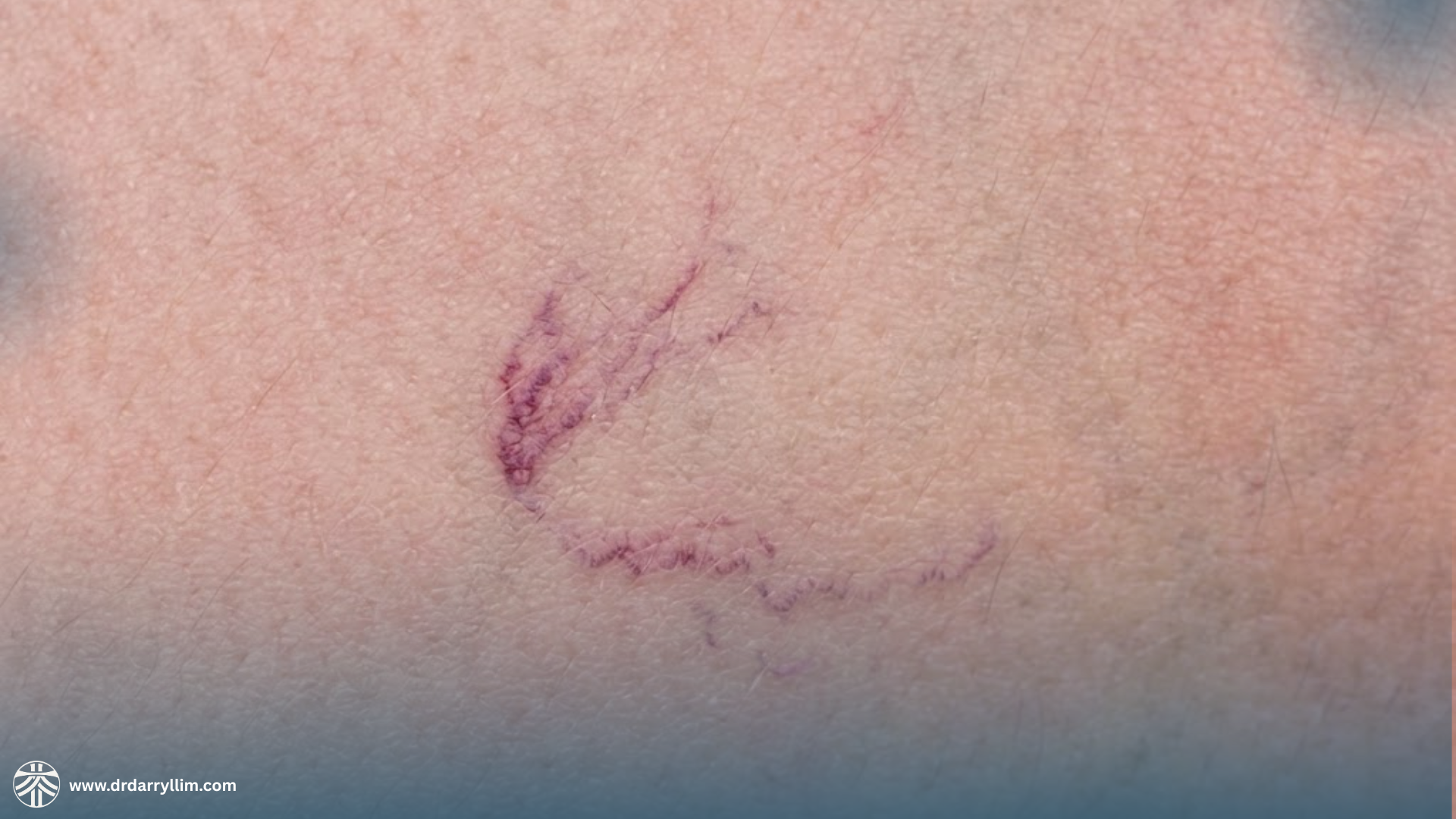
Varicose veins, those unsightly and often painful blue or purple veins that bulge beneath the surface of the skin, are not just a cosmetic concern but can significantly impact quality of life. When it comes to managing this common vascular condition, patients have various treatment options available, each with its own set of advantages and considerations. Among the most effective and frequently recommended are sclerotherapy and Venaseal. Both treatments are known for their efficacy, but they cater to different types of veins, patient needs, and recovery expectations. 

This article delves into the specifics of sclerotherapy and Venaseal, comparing them side-by-side to help you understand which treatment might be best suited for your medical and personal preferences. 
What is sclerotherapy?

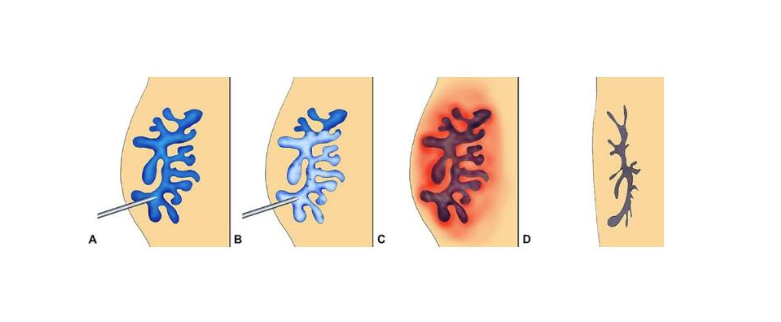
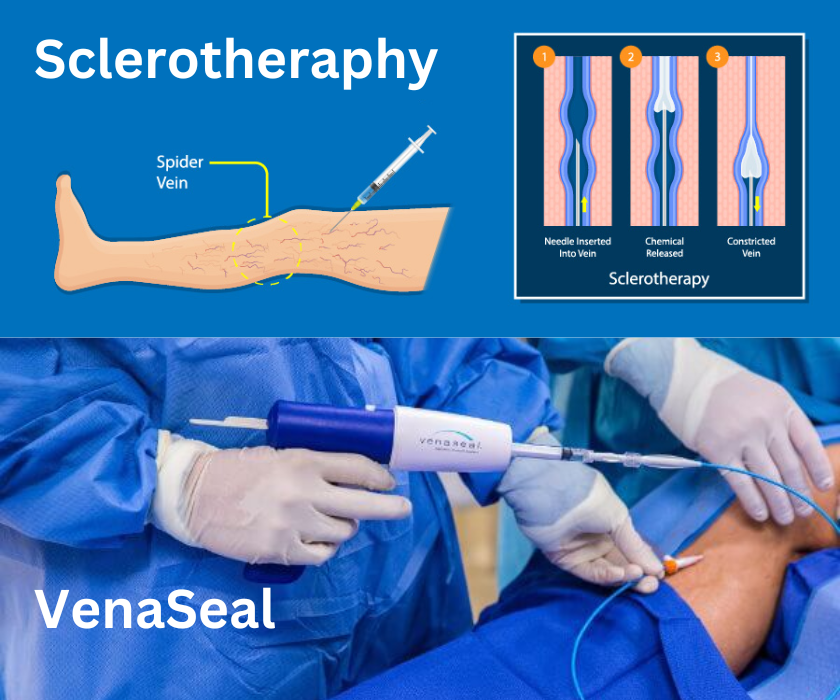
Sclerotherapy involves injecting a solution directly into the vein, which causes the vein to scar, forcing blood to reroute through healthier veins. The collapsed vein is eventually reabsorbed by the body.

What is Venaseal?

Venaseal uses a medical-grade adhesive to close varicose veins. The procedure is minimally invasive and does not require compression stockings post-treatment, making it a convenient option for many patients.

Benefits and Considerations

Sclerotherapy

  • Pros: Proven effectiveness for smaller varicose and spider veins; can be performed quickly in a doctor’s office.
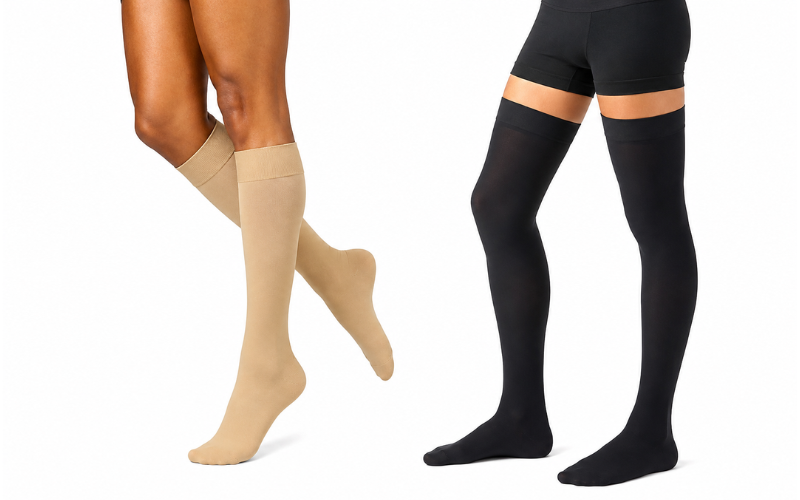
  • Cons: Multiple treatments may be necessary; wearing compression stockings after the procedure.

Venaseal

  • Pros: immediate return to daily activities; no need for anesthesia or compression garments.
  • Cons: higher cost; less availability compared to sclerotherapy.

Making the right choice

Choosing between sclerotherapy and Venaseal depends on several factors, including the size and location of your veins, your medical history, and your personal preferences regarding recovery and cost.

Struggling with Varicose Veins?

Explore safe and effective treatment options with Dr. Darryl Lim.

Conclusion

Whether you lean towards the simplicity of sclerotherapy or the convenience of Venaseal, understanding the nuances of each treatment option is crucial. Varicose veins affect a significant portion of the population, and advancements in medical treatments like these have made dealing with this condition more manageable and less invasive. Before making a decision, it’s important to consider how each method fits into your lifestyle, your medical needs, and even your financial planning. Consulting with a vascular specialist who is well-versed in the latest treatments can provide you with personalized insights and a clear path forward. 

Don’t hesitate to reach out and ask questions; after all, getting informed is the first step towards recovery. Contact us to learn more about your options or to schedule a consultation. We are here to guide you through each step, ensuring that your treatment choice not only treats varicose veins but also aligns with your overall health objectives.
Share:

Facebook
Twitter
Pinterest
LinkedIn
Dr. Darryl Lim

Dr. Darryl Lim

Vascular and Endovascular Surgeon | Singapore

Dr. Darryl Lim is a Senior Consultant Vascular and Endovascular Surgeon at the Novena Vascular and Varicose Vein Centre in Singapore. Before this role, he served as the Director of the Vascular Unit at Changi General Hospital and as a Service Chief at the Singhealth-Duke NUS Vascular Centre. Under his tenure, Changi General Hospital’s Vascular Unit was recognized as a regional centre of excellence.

Dr. Lim has a strong commitment to training emerging interventionalists and enhancing the capabilities of vascular units in Southeast Asia. He is regularly invited to travel to regional units to conduct live case workshops and to speak at international conferences.

Related Posts

Does MediSave Cover Varicose Vein Treatment in Singapore?

MediSave may be used for varicose vein treatment in Singapore when the condition is medically indicated, such as when symptoms and duplex ultrasound confirm venous reflux. Minimally invasive treatments such as RFA, ClariVein, VenaSeal, ultrasound-guided sclerotherapy or mini phlebectomies may be claimable when performed as an approved surgical or day surgery procedure (with an appropriate TOSP code). Purely cosmetic spider vein treatment is generally not MediSave-claimable.

Do Compression Socks Help Restless Legs? When They Work and When They Don’t

Compression socks may help restless or uncomfortable legs when symptoms are linked to venous pooling, swelling, varicose veins, or chronic venous insufficiency. They are not a cure for true neurological Restless Legs Syndrome, but they can reduce heaviness, aching, crampy tightness, and night-time discomfort in selected patients. If restless legs come with swelling, visible veins, or ankle skin changes, a vascular assessment may be useful.

What Happens to Varicose Veins After Treatment?

After varicose vein treatment, the diseased vein is usually closed, sealed, or removed so blood can
reroute through healthier veins. The treated vein may still be visible or feel firm at first, but over weeks
to months, the body gradually breaks it down. Symptoms such as heaviness, aching, and swelling
often improve earlier than the visible appearance. Full cosmetic results take time, and some patients
may need staged treatment for remaining surface veins or spider veins.

Can a Varicose Vein Burst? What to Do If It Bleeds

Yes, a varicose vein can burst and bleed, especially when the vein is large, under pressure, and covered by thin or fragile skin. If this happens, lie down, raise the leg, and apply firm direct pressure over the bleeding point with a clean cloth or dressing. Even if the bleeding stops, you should arrange an urgent vascular surgeon review because the underlying venous reflux may still be present, and bleeding can recur.

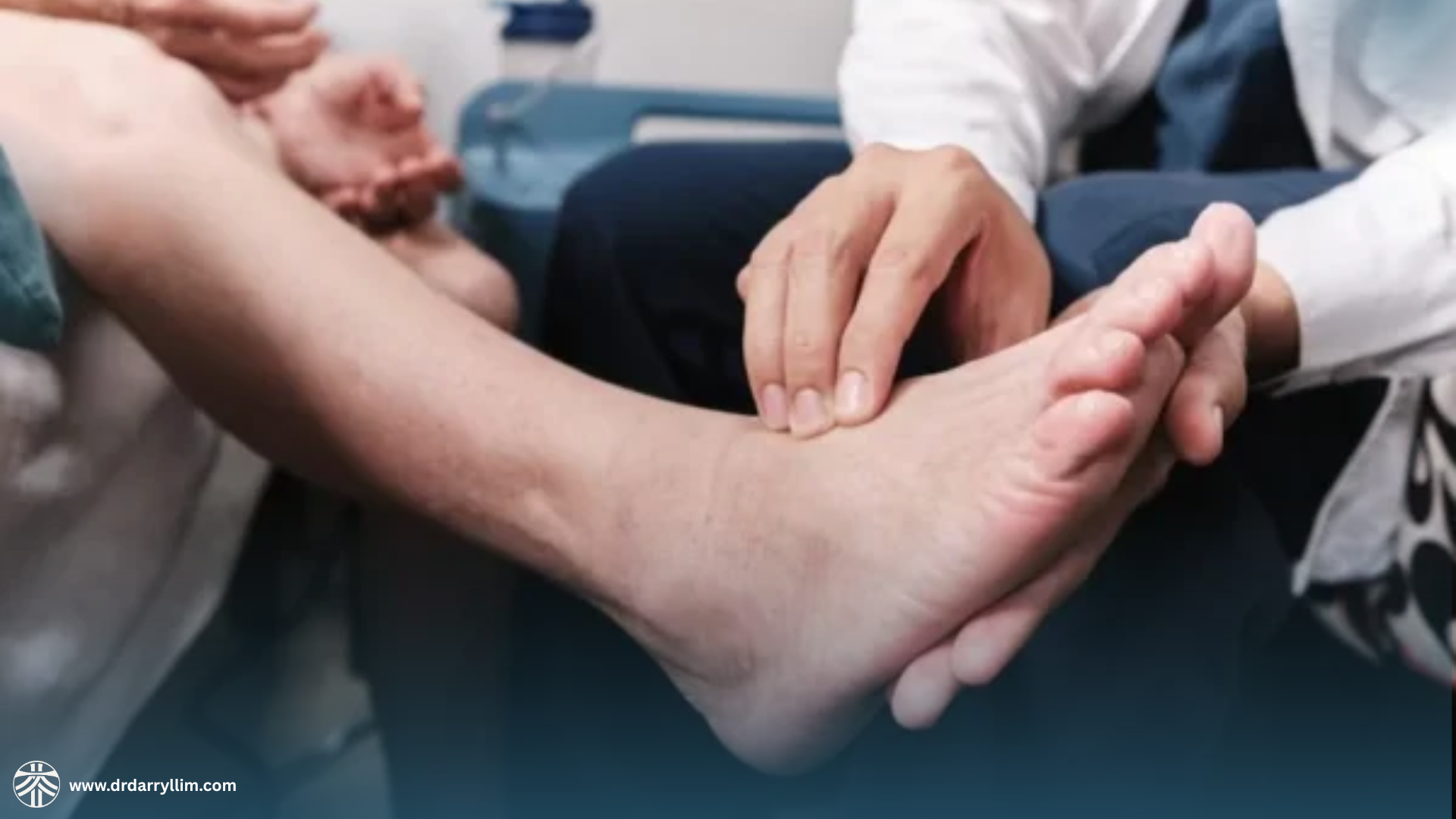
Person touching swollen ankle and lower leg, a common symptom of venous insufficiency or varicose vein disease.

Why Are My Ankles Swollen? Common Causes, Hidden Risks, and When to Worry

Most ankle swelling is related to gravity and fluid pooling- often from prolonged standing/sitting, salty meals, weight gain, pregnancy, or vein-related pooling (chronic venous insufficiency). If swelling is persistent, worsening, associated with ankle skin itch/discolouration, or improves noticeably with leg elevation, venous reflux becomes the most likely culprit. If swelling is sudden and one-sided, painful, red/warm, or you have breathlessness or chest discomfort, seek urgent medical assessment.