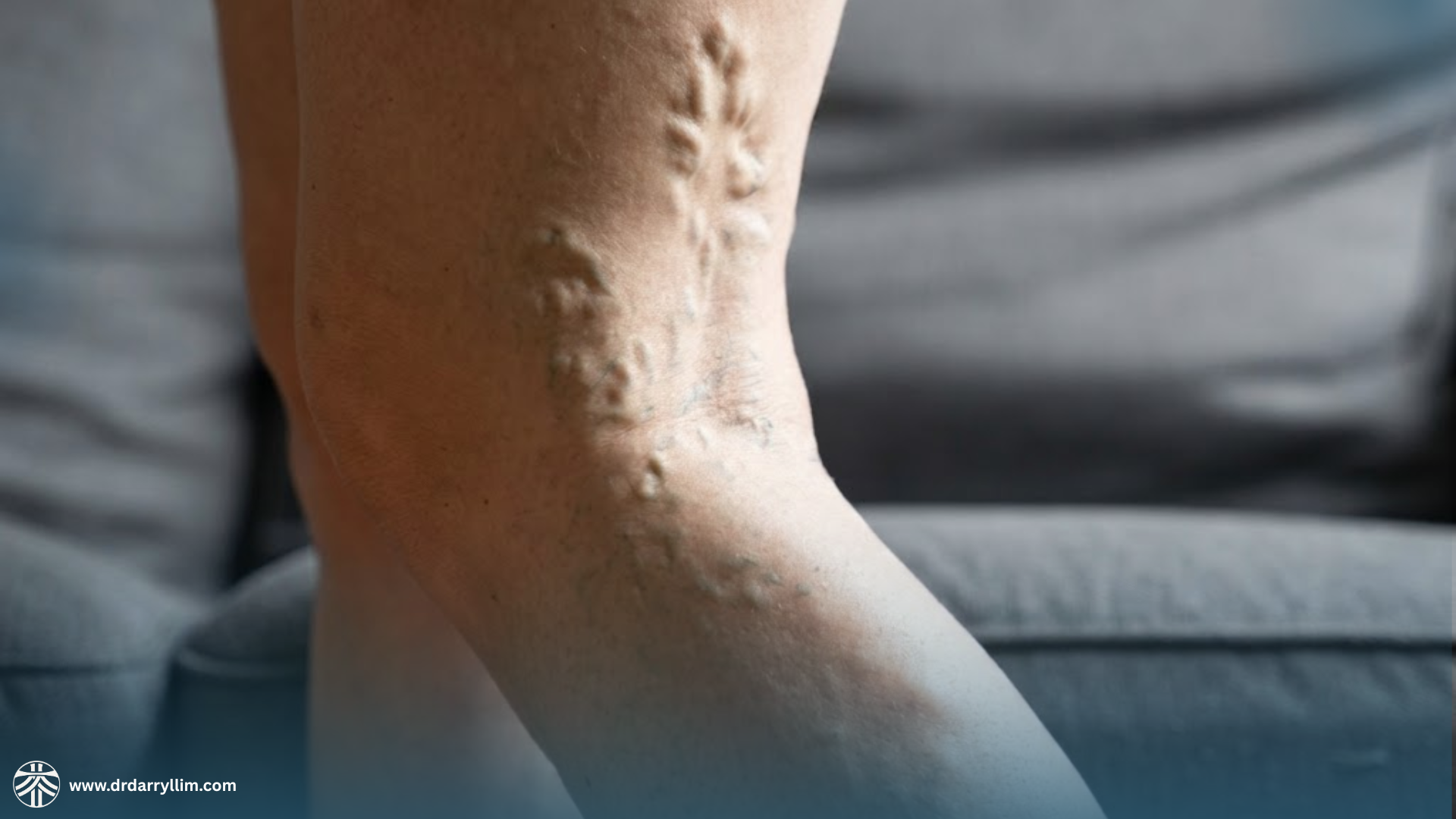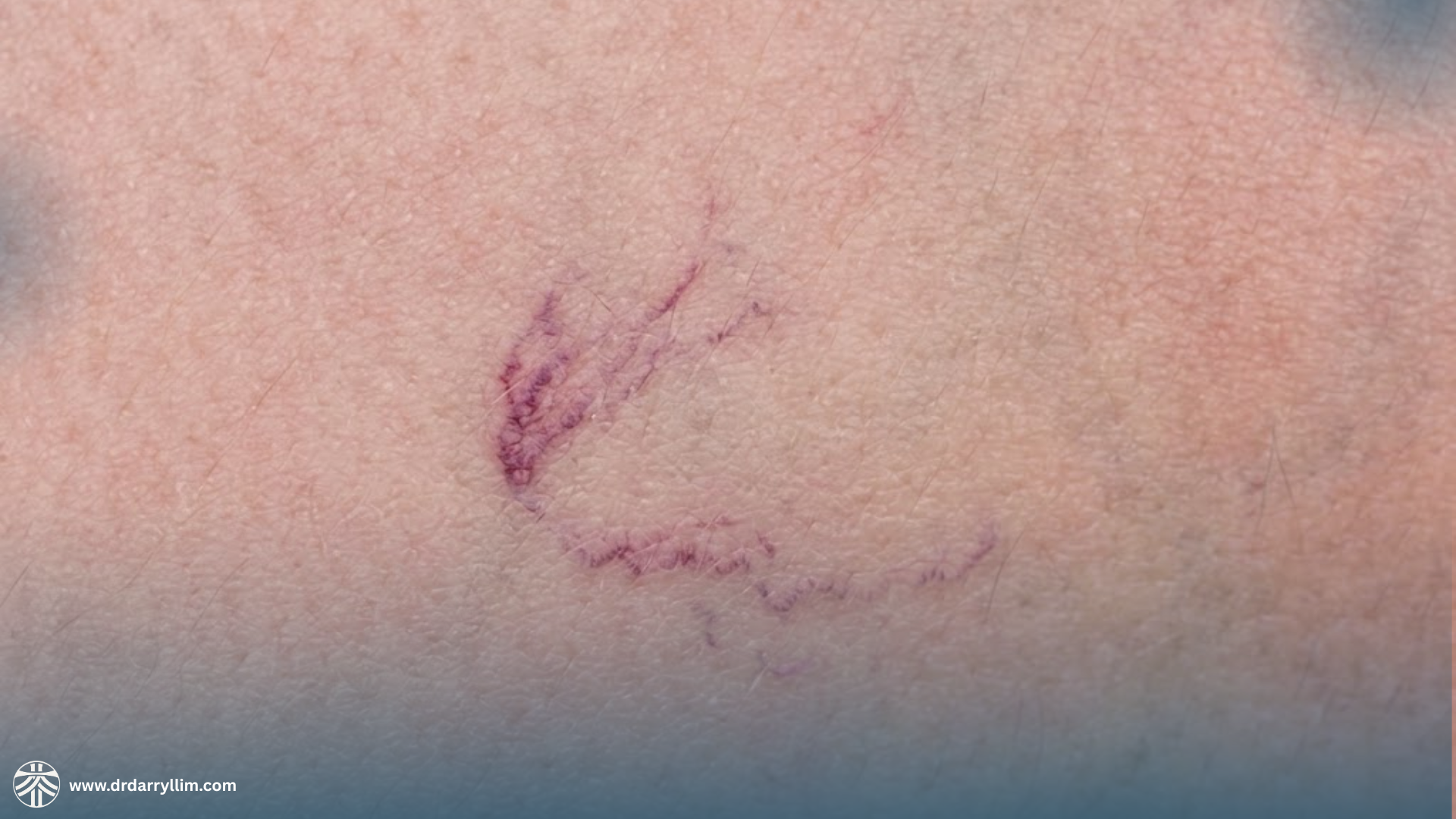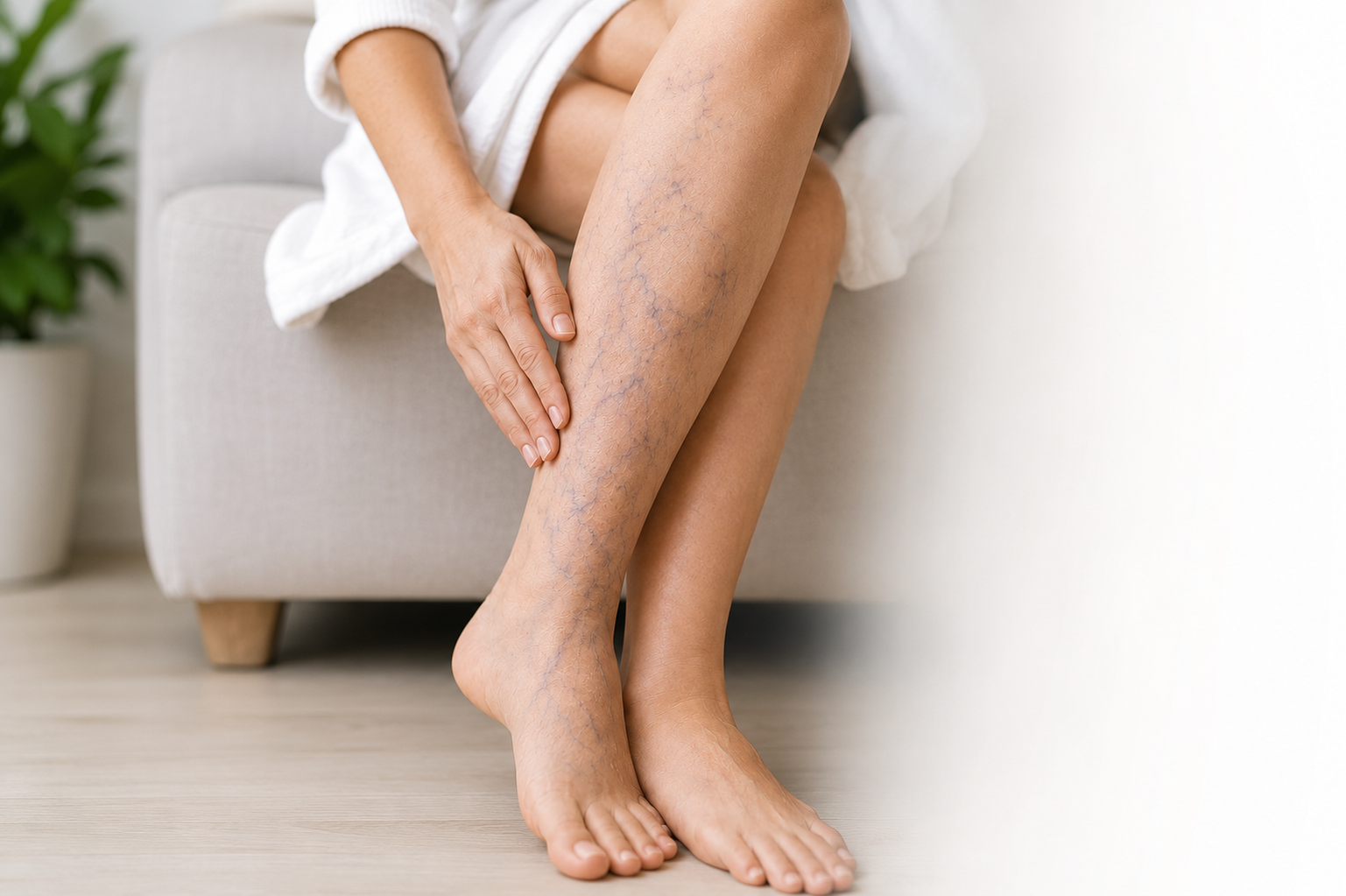
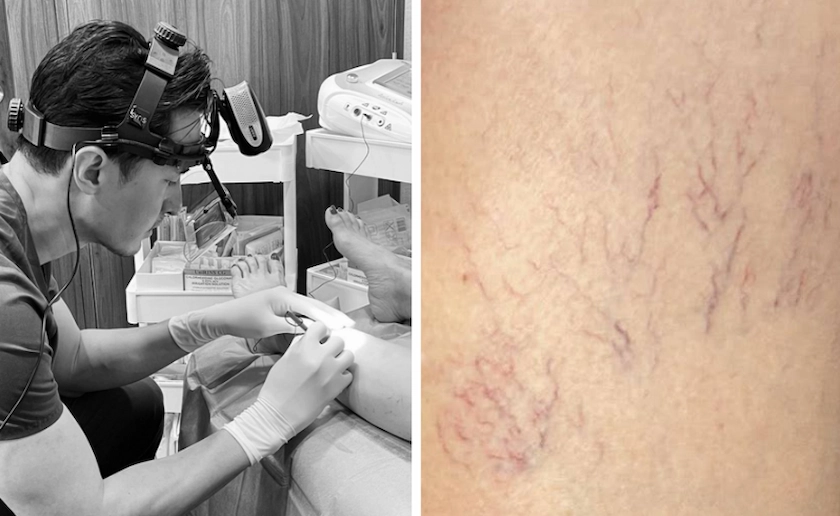
Spider veins, those small, dilated blood vessels that appear close to the surface of the skin, can be both unsightly and uncomfortable. They often appear on the legs and faces. and while they are usually harmless, many people seek treatment for cosmetic reasons. Two popular treatments for spider veins are injection sclerotherapy and vein gynecology thermolysis. Here, we compare these two modalities to help you understand their benefits. and suitability for different cases.
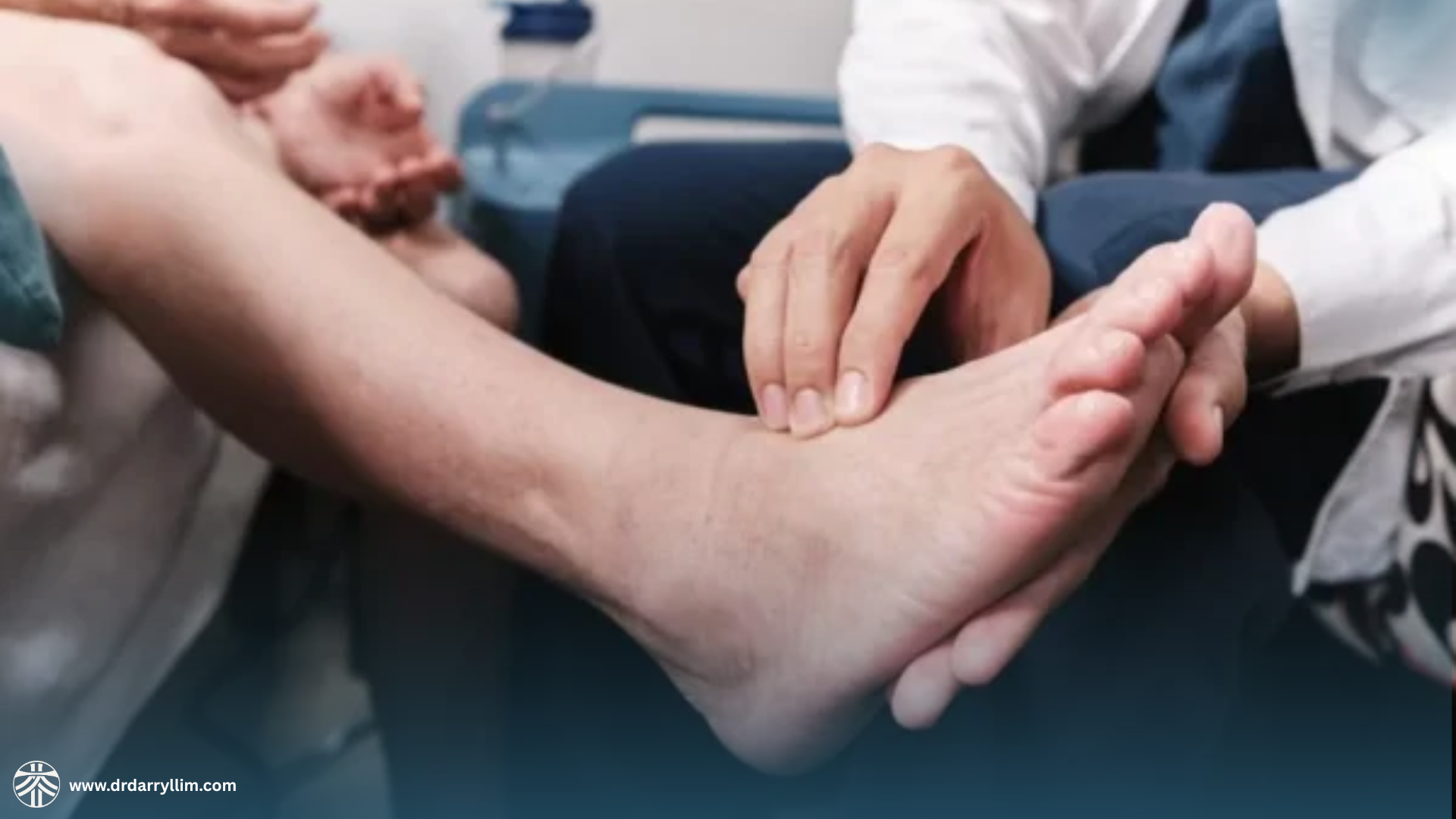
Before diving into the specifics of each treatment, it’s important to note that at our clinic, we prioritize addressing any underlying vein issues before treating spider veins. Every patient undergoes a duplex ultrasound scan during their initial consultation. This allows us to identify and address any incompetent (“leaking”) veins that may be contributing to the spider veins. Treating spider veins without first addressing these underlying issues can lead to unsatisfactory outcomes, including poor cosmetic results and a quicker recurrence of the spider veins.
Injection Sclerotherapy
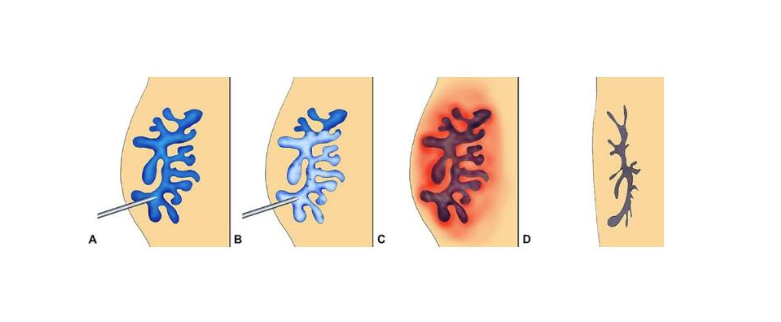
Injection sclerotherapy involves injecting a sclerosing solution directly into the affected veins. This solution irritates the vein walls, causing them to stick together and eventually collapse. Over time, the treated vein turns into scar tissue and fades away.
How is Injection Sclerotherapy Performed?
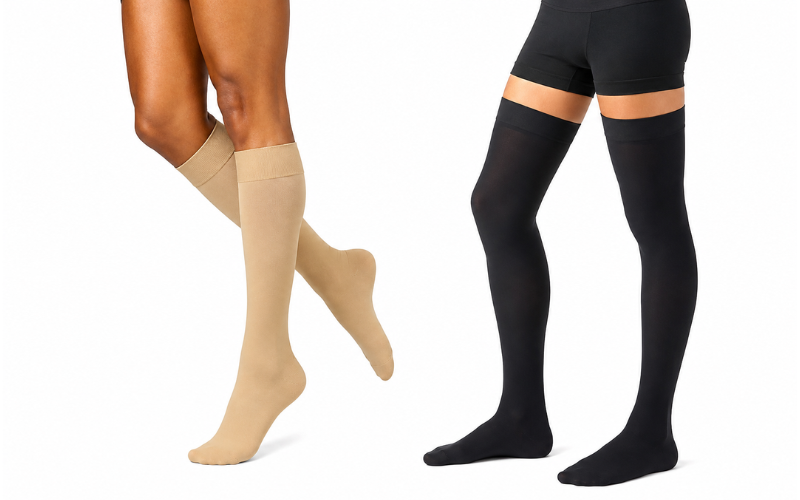
When you come in for injection sclerotherapy, the procedure is usually performed in a clinic setting. The area with the spider veins is carefully cleaned, and then a fine needle is used to inject the sclerosing solution directly into the vein. Depending on how extensive your spider veins are, multiple injections might be necessary to achieve the good results. After the procedure, you may be advised to wear compression stockings to help with healing and maximize the treatment’s effectiveness.
Benefits of Injection Sclerotherapy
Many patients find injection sclerotherapy to be highly effective, especially for spider veins on the legs. One of the major advantages is that there is minimal downtime; you can typically resume your normal activities immediately after the treatment. Additionally, injection sclerotherapy is generally more cost-effective compared to some other treatment options available.
Considerations for Injection Sclerotherapy
Like any medical procedure, injection sclerotherapy does come with some considerations. Temporary side effects can include bruising, swelling, and redness at the injection site. If you have a larger area affected by spider veins or more extensive veins, multiple treatment sessions may be necessary. It’s also worth noting that injection sclerotherapy is typically not recommended for delicate facial veins.
VeinGogh Ohmic Thermolysis
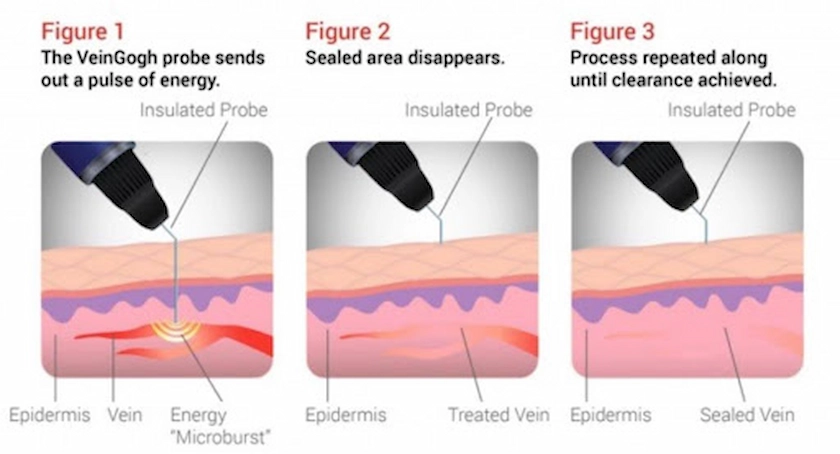
VeinGogh Ohmic Thermolysis uses microburst technology to deliver high-frequency energy directly to the spider veins. This energy causes the veins to coagulate and collapse, leading to their eventual absorption by the body.
How is VeinGogh Ohmic Thermolysis Performed?
For VeinGogh Ohmic Thermolysis, the treatment area is first cleaned and prepared. A tiny probe is then used to deliver controlled, high-frequency electrical energy to the veins. This procedure is very precise, targeting only the affected veins without damaging the surrounding tissue. It’s particularly suitable for small, delicate spider veins, especially those on the face.
Benefits of VeinGogh Ohmic Thermolysis
One of the standout benefits of VeinGogh Ohmic Thermolysis is its precision, making it ideal for treating spider veins on the face. Many patients report minimal pain during the procedure, which is another significant advantage. Additionally, you can often see visible improvement immediately after the treatment, which is highly satisfying for those looking for quick results.
Considerations for VeinGogh Ohmic Thermolysis
There are a few considerations to keep in mind with VeinGogh Ohmic Thermolysis. It can be more expensive than injection sclerotherapy, which is an important factor for many patients. Some skin types may also be more sensitive to the heat generated by the procedure. Moreover, this treatment is typically suited for fine, superficial spider veins rather than larger varicose veins.
Which Treatment is Right for You?
Choosing between Injection Sclerotherapy and VeinGogh Ohmic Thermolysis depends on several factors, including the location and size of your spider veins, your skin type, and your personal preferences regarding treatment and recovery. Consulting with a vascular surgeon is an effective way to determine the most suitable option for your specific condition.
At Dr. Darryl Lim’s clinic in Singapore, we offer both of these advanced treatment modalities. Our experienced team will assess your situation and recommend the appropriate course of action to help you achieve clear, healthy-looking skin.