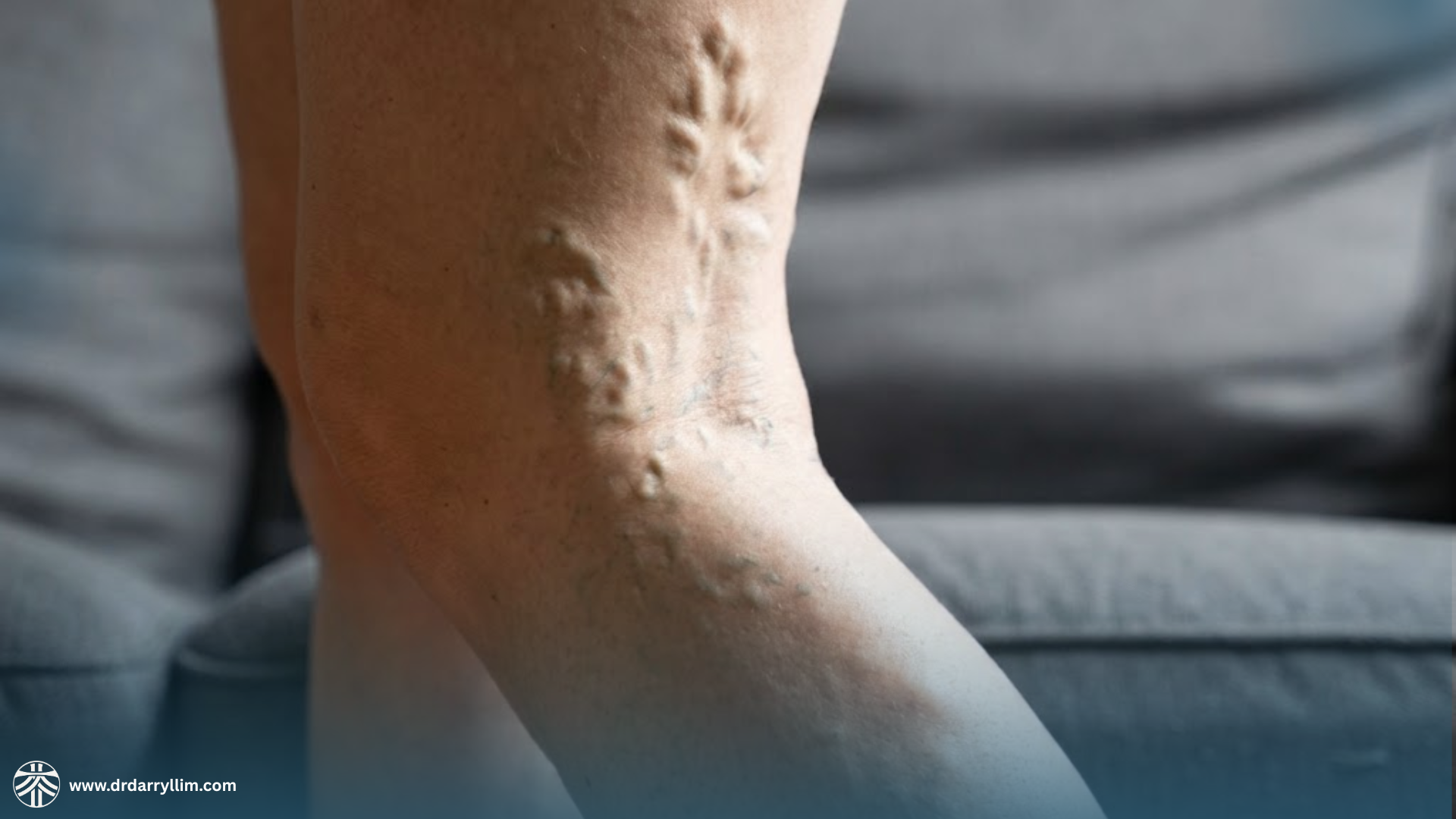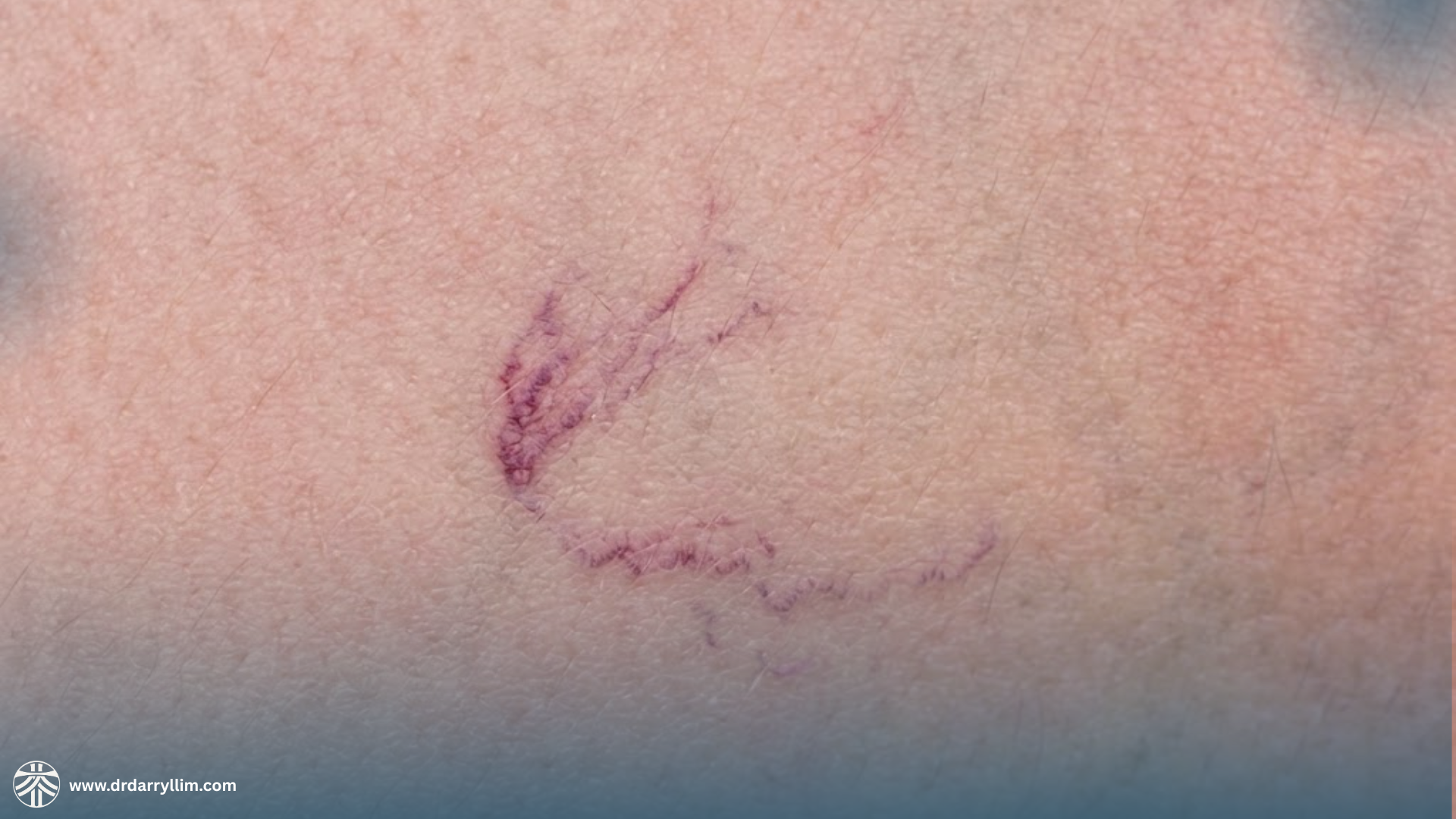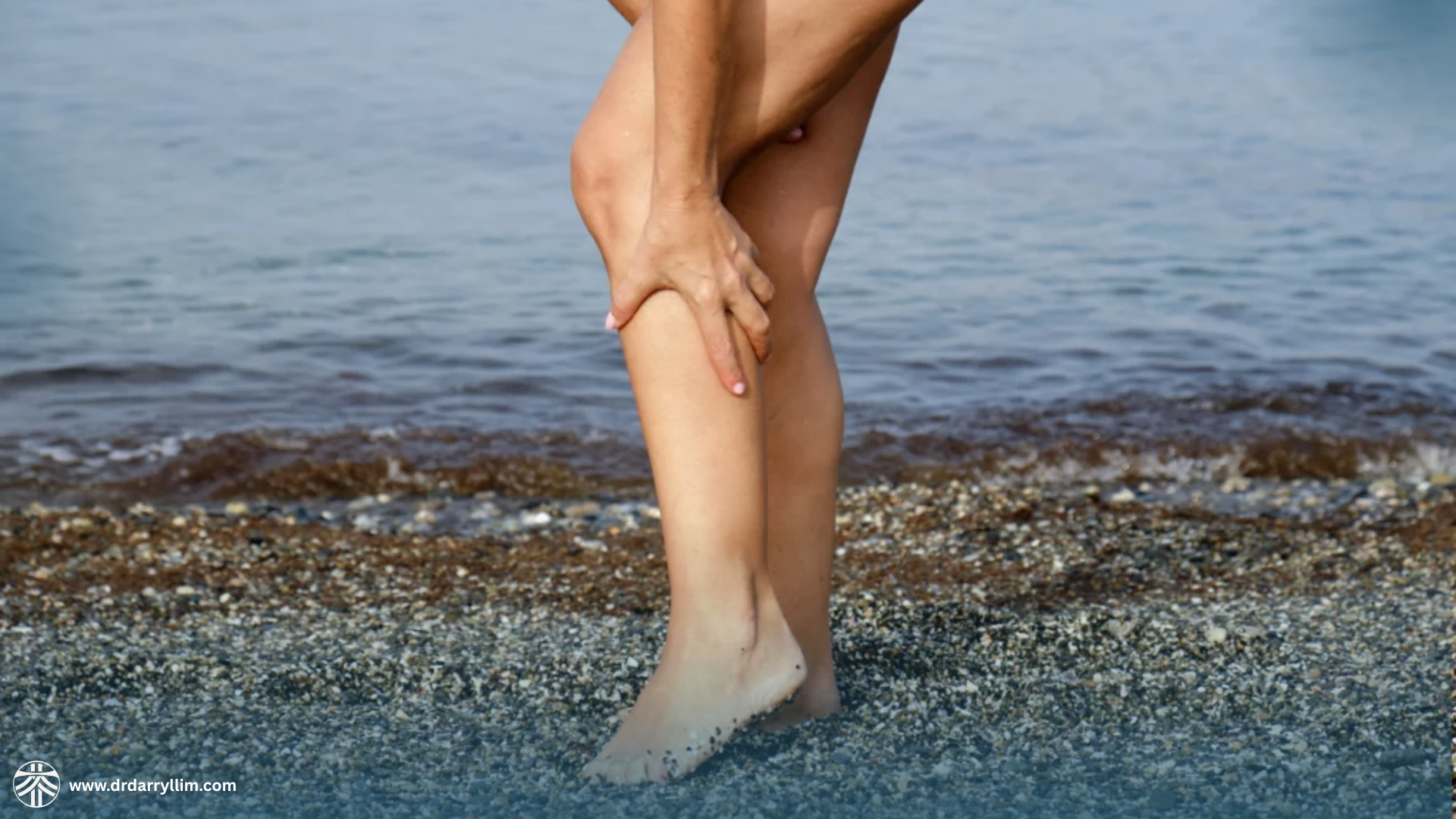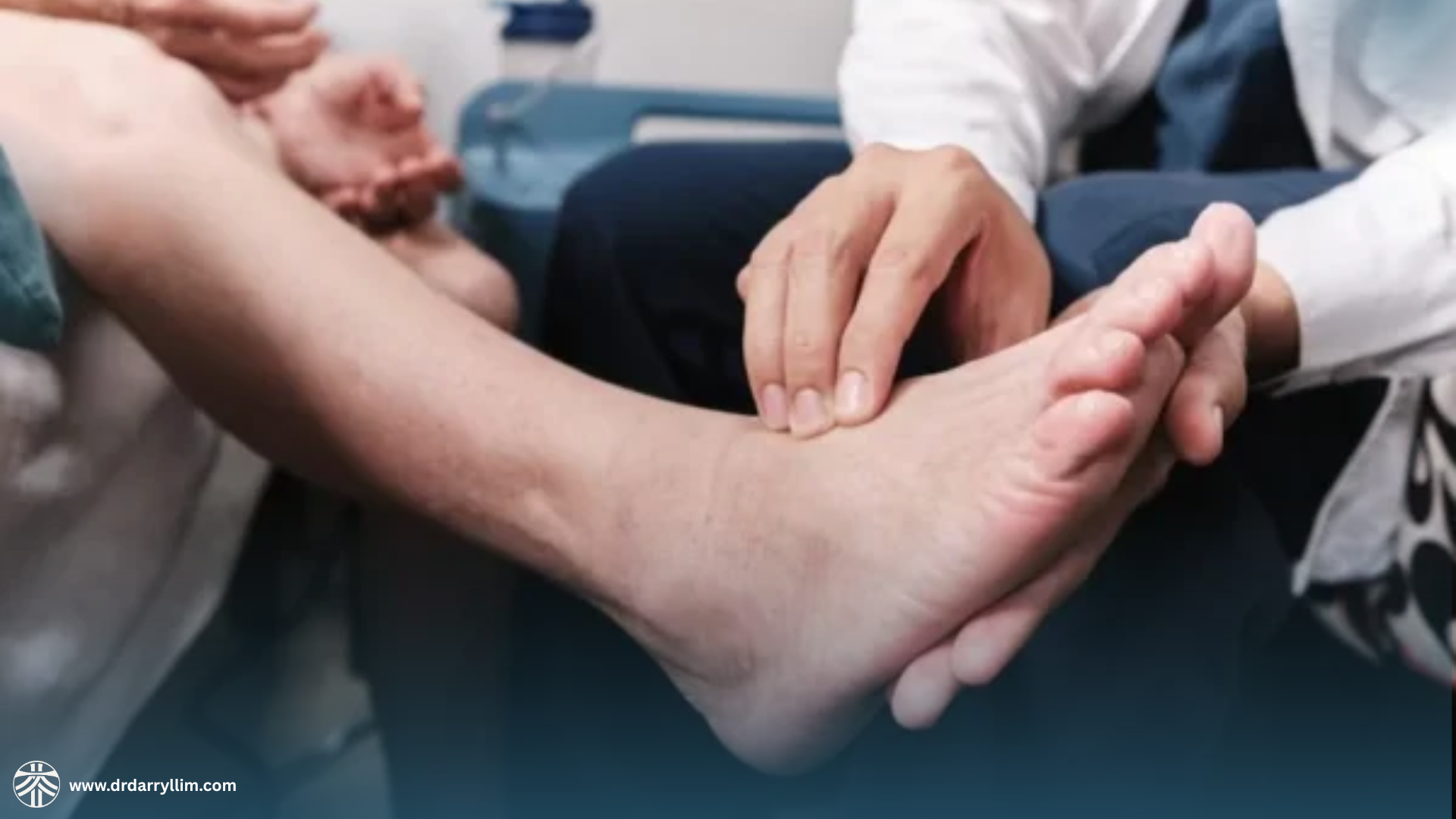

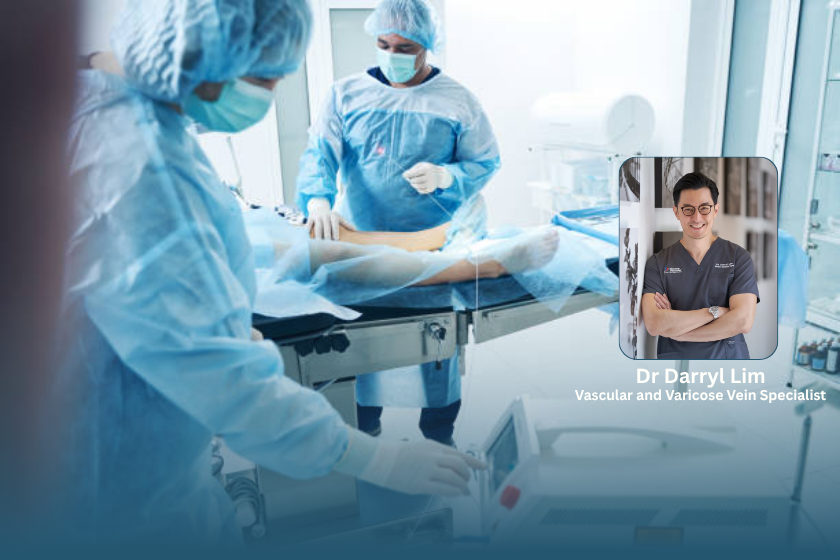
Most modern varicose vein treatments are minimally invasive and done under light general anaesthesia or local anaesthesia with sedation. This keeps you relaxed and comfortable throughout the procedure. While there might be some mild discomfort during recovery, the pain level is generally low- more like soreness or bruising than anything sharp or severe.
Understanding Varicose Vein Surgery (And What It Actually Involves)
The term “surgery” might sound dramatic, but in most cases, treatment for varicose veins isn’t the old-school vein stripping you might imagine. Today’s commonly used procedures include:
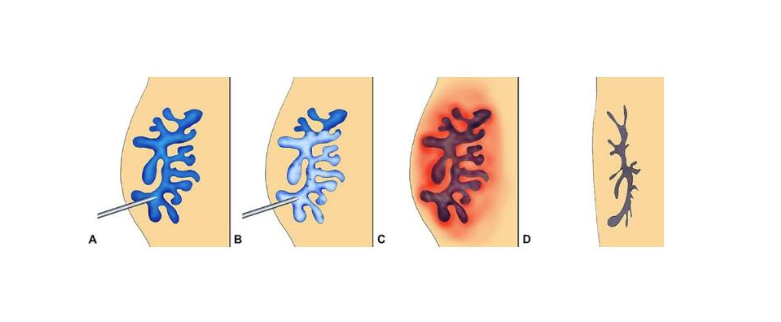
- Radiofrequency Ablation (RFA) – A small catheter is inserted into the affected vein, and heat is used to seal it shut.
- Sclerotherapy – A solution is injected into smaller varicose or spider veins, causing them to close off and fade.
- Phlebectomy – Tiny incisions are made to remove surface veins. It’s a straightforward procedure with minimal scarring.
These are typically day surgeries, though in some cases, you might stay overnight for monitoring before going home the next morning.
So… Is Varicose Vein Surgery Painful?
Let’s talk about what it actually feels like.
During the procedure:
- You’ll either be lightly sedated or under a gentle general anaesthetic, depending on your medical history and the type of procedure.
- You’ll be comfortable and relaxed, and most patients don’t remember much about the procedure itself.
- If sedation is used, you might feel pressure or movement, but not pain.
After the procedure:
- Some mild soreness, tightness, or bruising around the treated vein is common.
- Most people describe the discomfort as a 2–3 out of 10-usually manageable with over-the-counter pain relief.
- Many patients are surprised by how mild the recovery feels, especially compared to the heaviness or aching they had before treatment.
What’s Recovery Like?
Recovery tends to be smooth for most patients. Depending on your specific case and how your body responds, you may be able to go home the same day, or stay overnight for observation and head home the next morning.
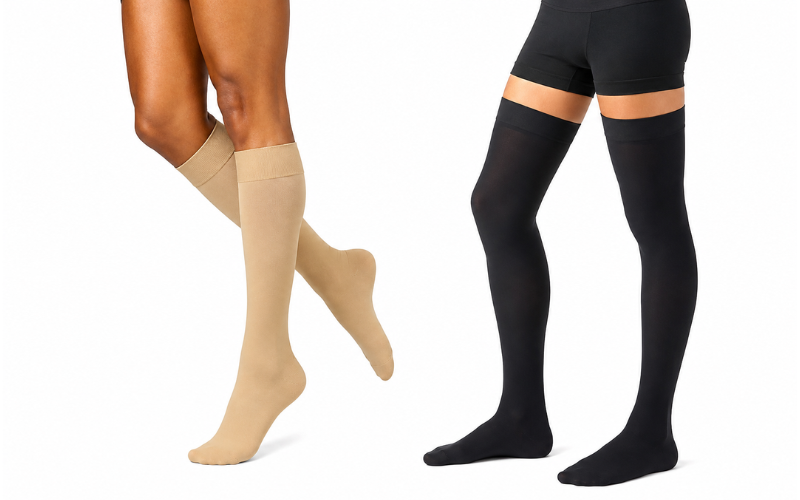
- You’ll likely be advised to wear compression stockings for a short period-they help reduce swelling and support healing.
- Light walking is encouraged the day after surgery.
- Many people are back at work within a few days, especially if their job isn’t physically demanding.
More strenuous activity- like running, heavy lifting, or high-impact workouts- should be paused for about 1–2 weeks unless advised otherwise.