Understanding Varicose Veins: Causes, Symptoms, and Treatment Options

Varicose veins are enlarged, swollen veins that often appear blue or dark purple. This article explores the causes, symptoms, risk factors, and treatment options for varicose veins, including both lifestyle changes and medical procedures.
Picture of Dr. Darryl Lim

Dr. Darryl Lim

Vascular and Endovascular Surgeon | Singapore

Varicose veins are a common vascular condition that affects millions of people worldwide, causing discomfort and aesthetic concerns. Understanding the underlying causes, identifying symptoms, and exploring treatment options are crucial steps in managing this condition effectively. In this article, we delve into the intricacies of varicose veins, shedding light on their causes, symptoms, and various treatment modalities available to alleviate discomfort and improve quality of life.

What are varicose veins?

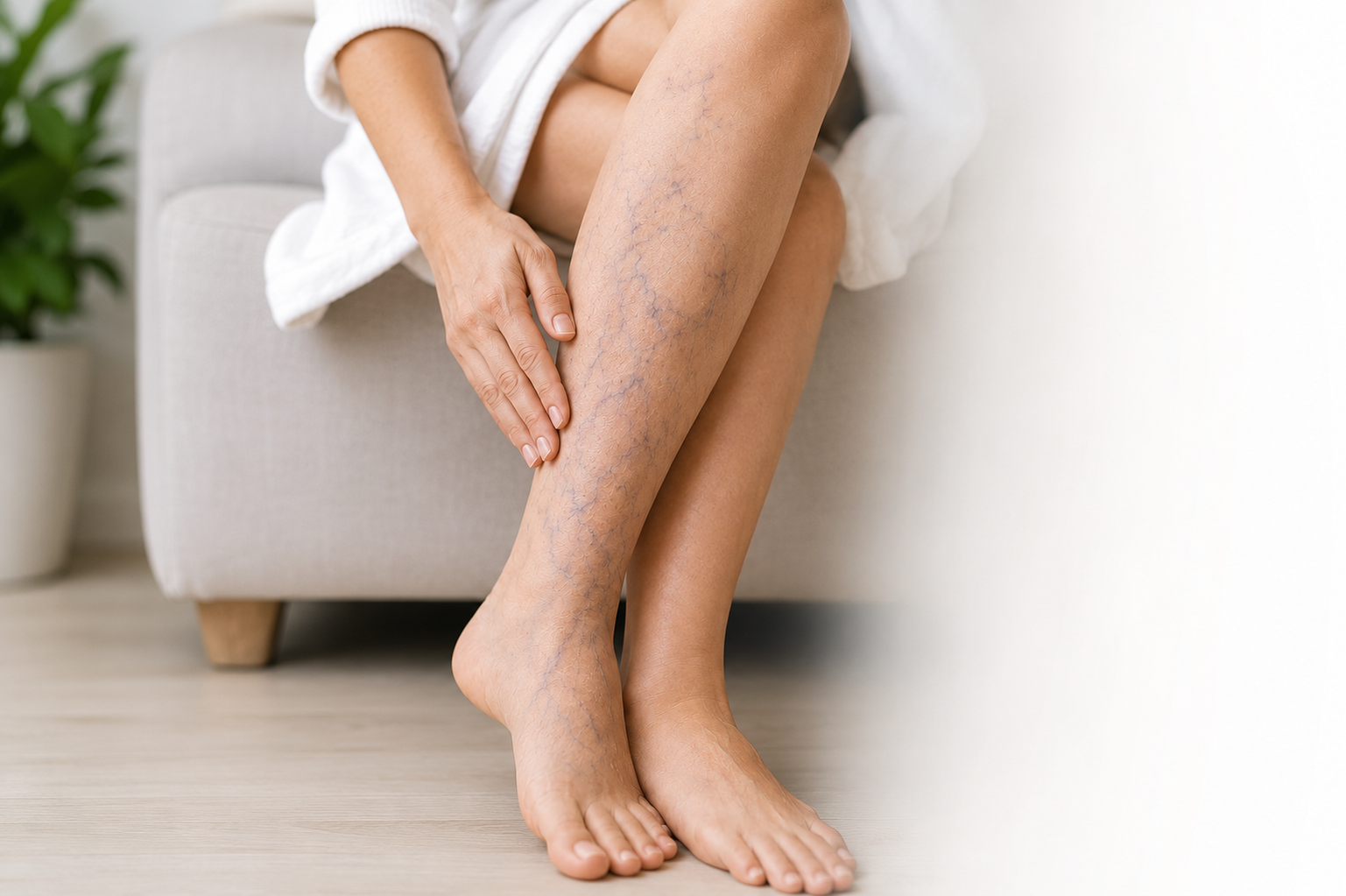
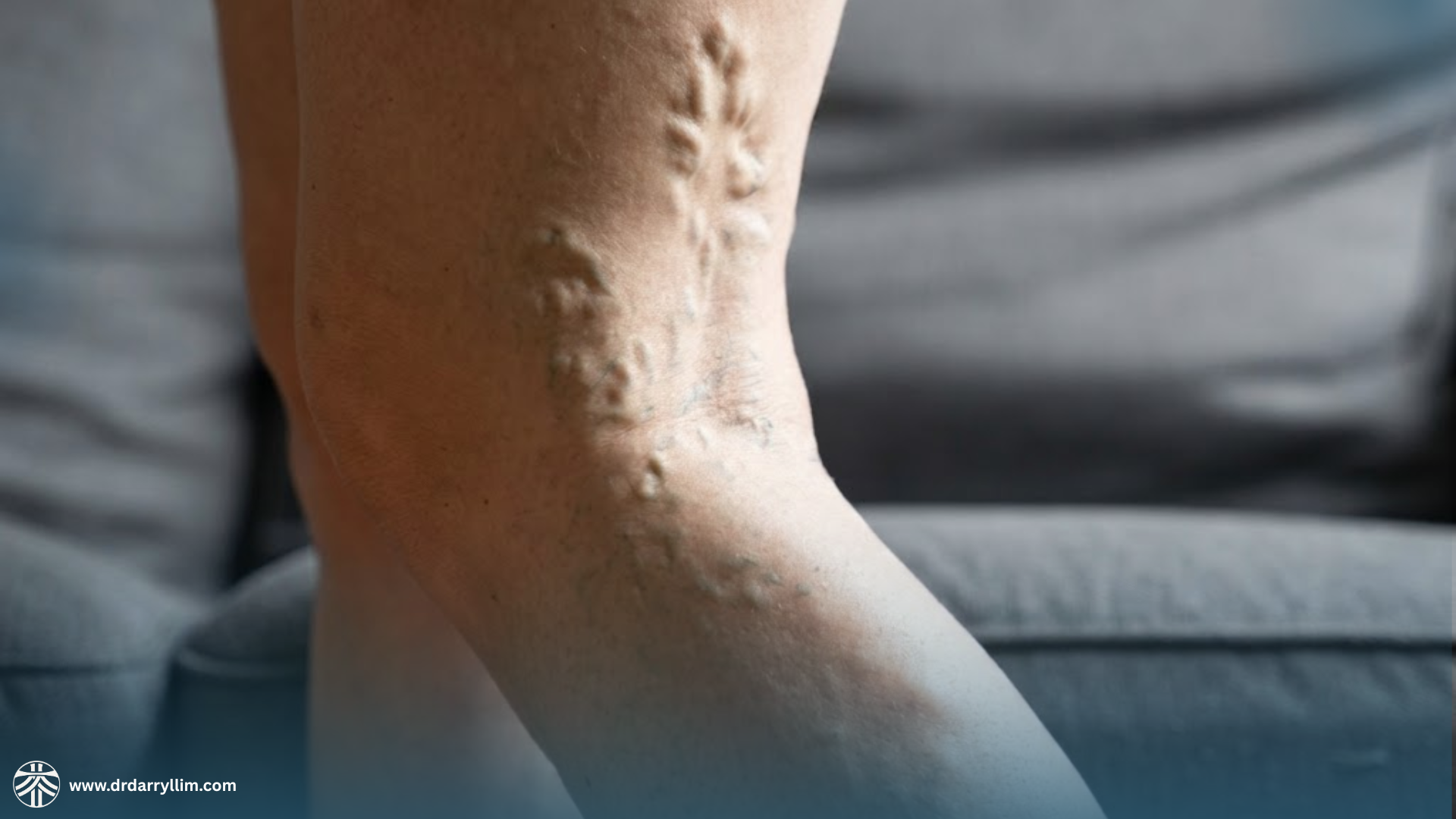
Varicose veins are enlarged, swollen, and twisted veins that often appear blue or dark purple. They occur when the valves in the veins don’t function properly, leading to blood pooling in the veins instead of flowing back to the heart. This condition is most commonly found in the legs, but it can occur in other parts of the body as well.

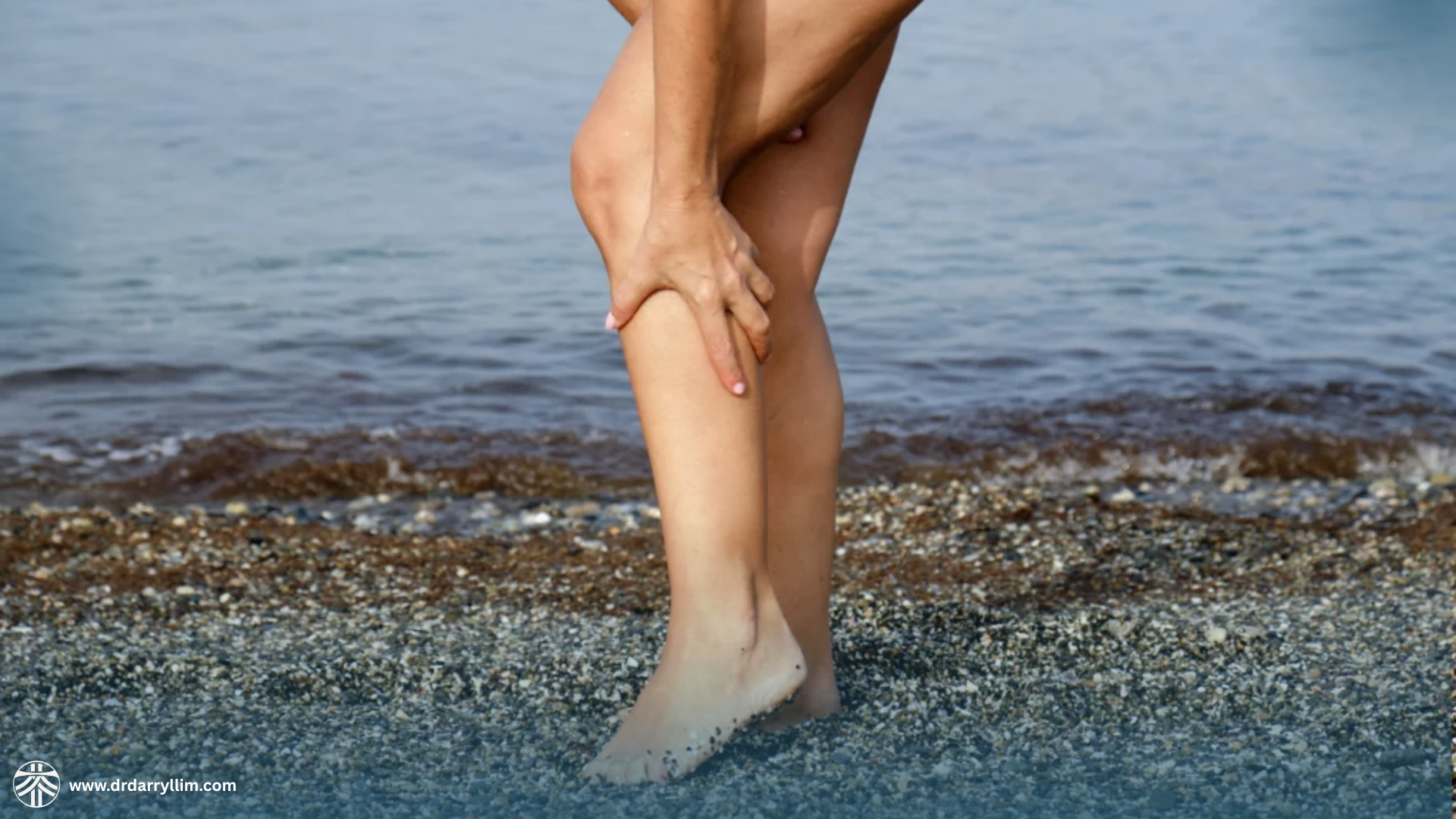
Varicose veins closeup. Thick female legs on a gray background

Causes of Varicose Veins

Varicose veins develop when the valves in the veins weaken or become damaged, leading to blood pooling and veins becoming enlarged and twisted. Several factors can contribute to this weakening of the vein valves, including genetics, age, prolonged standing or sitting, obesity, hormonal changes (such as during pregnancy or menopause), and a history of blood clots or vein disorders. These factors can increase the pressure within the veins, causing them to stretch and bulge, ultimately resulting in the formation of varicose veins. Understanding these causes can help individuals take preventive measures and seek appropriate treatment to manage varicose veins effectively.

Risk Factors

Varicose veins develop due to weakened or damaged valves in the veins. Several factors can increase the risk of developing varicose veins, including:

  • Age: Aging causes wear and tear on the valves in the veins.
  • Gender: Women are more likely to develop varicose veins due to hormonal changes during pregnancy, pre-menstruation, or menopause.
  • Family History: Genetics play a significant role; if other family members have varicose veins, the risk is higher.
  • Obesity: Excess weight puts additional pressure on the veins.
  • Prolonged Standing or Sitting: Occupations that require long periods of standing or sitting can decrease blood circulation.
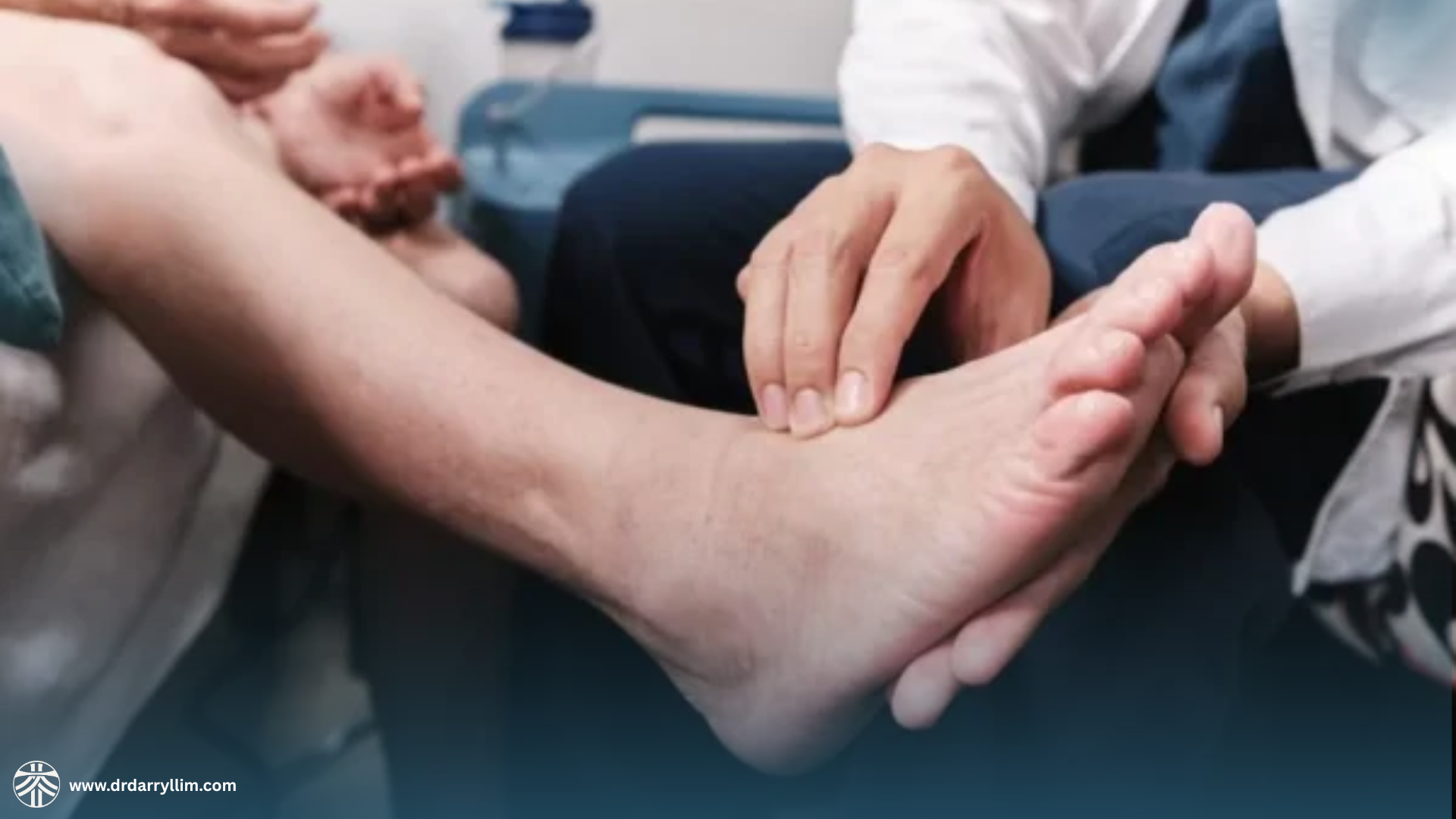
Closeup side view of female doctor massaging legs and calves of a senior female patient with visible varicose veins.

Symptoms of Varicose Veins

Varicose veins often manifest with various symptoms that can range from mild discomfort to more severe complications. Common symptoms include visible, twisted, and bulging veins, typically blue or purple in color, that are easily noticeable under the skin. Individuals with varicose veins may also experience sensations of heaviness, achiness, or throbbing in the affected area, especially after prolonged periods of standing or sitting. Swelling, itching, and a feeling of restlessness in the legs are also common symptoms. In some cases, varicose veins may lead to more serious complications such as skin ulcers, bleeding, or blood clots. Recognizing these symptoms is essential for early detection and appropriate management of varicose veins to prevent further complications.

Complications

Varicose veins are not just a cosmetic concern; they can cause discomfort and lead to more serious health issues. Common symptoms include:

  • Swollen, twisted veins are the most visible sign of varicose veins.
  • Aching pain and discomfort: often worse after standing or sitting for long periods.
  • Swelling: Particularly in the lower legs.
  • Skin Changes: dry, itchy, and thinner skin over the affected vein.
  • Leg cramps: especially at night.

If left untreated, varicose veins can lead to complications such as:

  • Ulcers: Painful ulcers can form on the skin near varicose veins, particularly near the ankles.
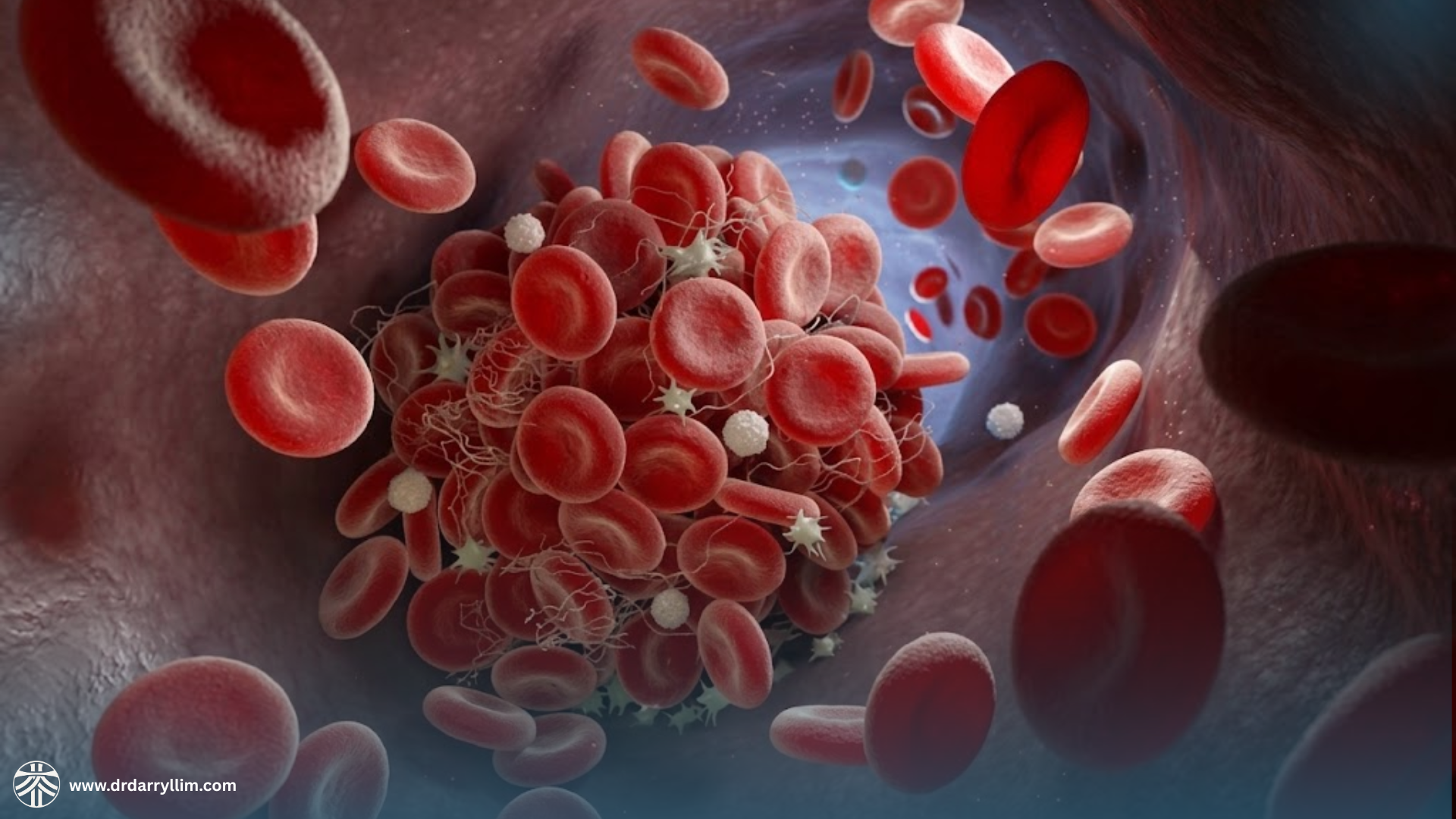
  • Blood Clots: Superficial thrombophlebitis (a blood clot in a vein close to the surface of the skin) can cause swelling and pain.
  • Bleeding: Varicose veins close to the skin may burst and cause minor bleeding.

Treatment Options

Treatment options for varicose veins range from conservative measures like lifestyle changes and compression stockings to minimally invasive procedures such as sclerotherapy and endovenous laser treatment. These procedures aim to alleviate symptoms, improve appearance, and prevent complications associated with varicose veins. In more severe cases, surgical interventions like vein stripping or ambulatory phlebectomy may be necessary. Consulting with a healthcare provider can help determine the most suitable treatment approach based on individual needs and the severity of varicose veins.

Surgical Treatments

Various treatments are available to manage and alleviate the symptoms of varicose veins, ranging from lifestyle changes to medical procedures.

Lifestyle changes and home remedies

  • Exercise: Regular physical activity can improve circulation and reduce pressure in the veins.
  • Weight Management: Maintaining a healthy weight reduces the pressure on the veins.
  • Elevation: Elevating the legs can help improve blood flow.
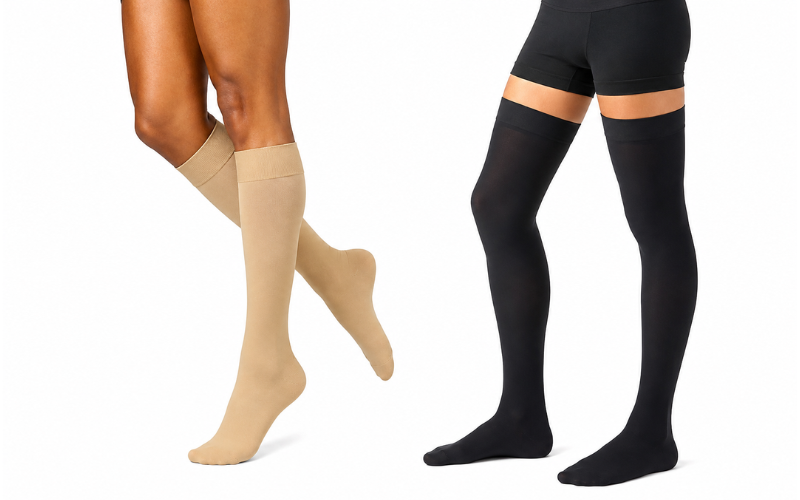
  • Compression stockings: These can help squeeze the legs, aiding blood flow and reducing swelling.

Medical Procedures

For more severe cases, several medical procedures can effectively treat varicose veins:

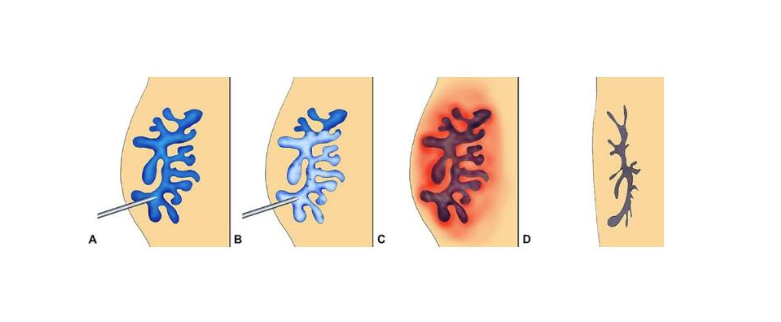
  • Sclerotherapy: A solution is injected into the vein, causing it to scar and close.
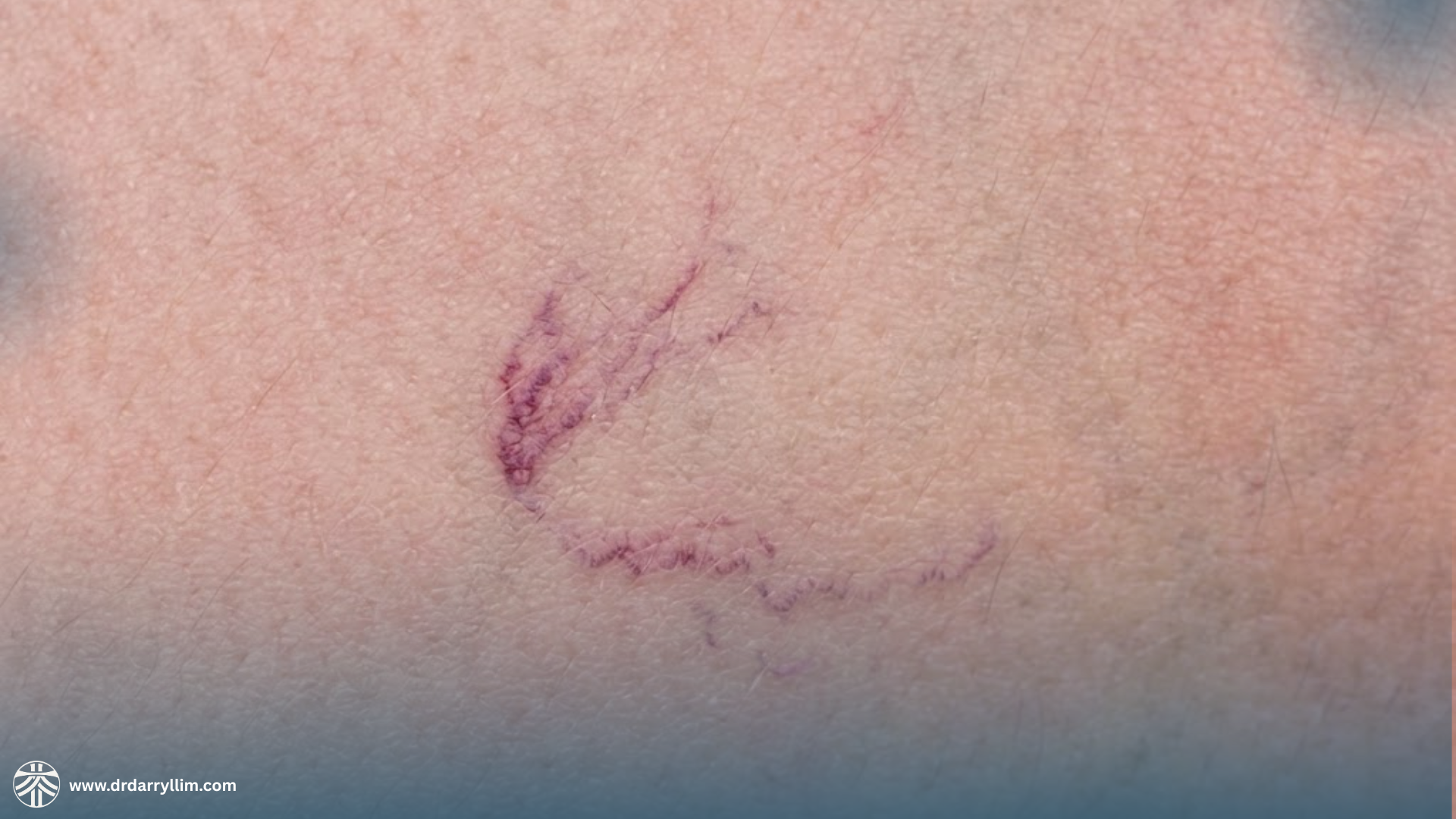
  • Laser Treatments: Laser light is used to close off smaller varicose veins and spider veins.
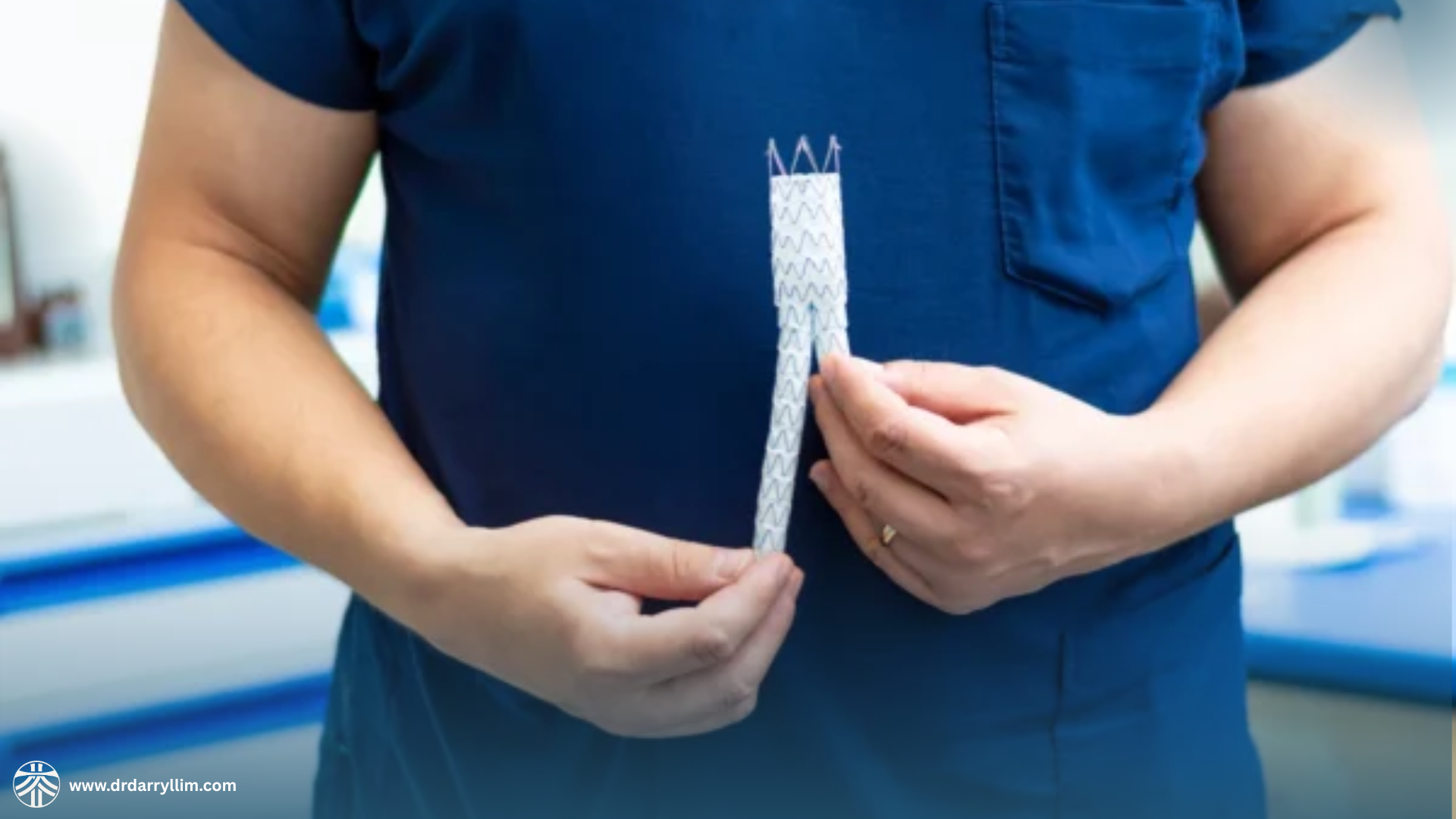
  • Catheter-assisted Procedures: A catheter is inserted into the vein, and the tip is heated to close the vein.
  • Vein Stripping: In severe cases, veins may be surgically removed through small incisions.
  • Endovenous Ablation Therapy: Uses heat from radiofrequency or lasers to close off varicose veins.
Closeup side view of unrecognizable female doctor massaging legs and calves of a senior female patient with visible varicose veins.

Struggling with Varicose Veins?

Explore safe and effective treatment options with Dr. Darryl Lim.

Conclusion

Understanding varicose veins involves recognizing the causes, identifying symptoms, and exploring the wide range of treatment options available. While lifestyle changes can help manage mild cases, more advanced treatments are available for severe cases, ensuring relief from the discomfort and potential complications associated with varicose veins.
Share:

Facebook
Twitter
Pinterest
LinkedIn
Dr. Darryl Lim

Dr. Darryl Lim

Vascular and Endovascular Surgeon | Singapore

Dr. Darryl Lim is a Senior Consultant Vascular and Endovascular Surgeon at the Novena Vascular and Varicose Vein Centre in Singapore. Before this role, he served as the Director of the Vascular Unit at Changi General Hospital and as a Service Chief at the Singhealth-Duke NUS Vascular Centre. Under his tenure, Changi General Hospital’s Vascular Unit was recognized as a regional centre of excellence.

Dr. Lim has a strong commitment to training emerging interventionalists and enhancing the capabilities of vascular units in Southeast Asia. He is regularly invited to travel to regional units to conduct live case workshops and to speak at international conferences.

Related Posts

Does MediSave Cover Varicose Vein Treatment in Singapore?

MediSave may be used for varicose vein treatment in Singapore when the condition is medically indicated, such as when symptoms and duplex ultrasound confirm venous reflux. Minimally invasive treatments such as RFA, ClariVein, VenaSeal, ultrasound-guided sclerotherapy or mini phlebectomies may be claimable when performed as an approved surgical or day surgery procedure (with an appropriate TOSP code). Purely cosmetic spider vein treatment is generally not MediSave-claimable.

Do Compression Socks Help Restless Legs? When They Work and When They Don’t

Compression socks may help restless or uncomfortable legs when symptoms are linked to venous pooling, swelling, varicose veins, or chronic venous insufficiency. They are not a cure for true neurological Restless Legs Syndrome, but they can reduce heaviness, aching, crampy tightness, and night-time discomfort in selected patients. If restless legs come with swelling, visible veins, or ankle skin changes, a vascular assessment may be useful.

What Happens to Varicose Veins After Treatment?

After varicose vein treatment, the diseased vein is usually closed, sealed, or removed so blood can
reroute through healthier veins. The treated vein may still be visible or feel firm at first, but over weeks
to months, the body gradually breaks it down. Symptoms such as heaviness, aching, and swelling
often improve earlier than the visible appearance. Full cosmetic results take time, and some patients
may need staged treatment for remaining surface veins or spider veins.

Can a Varicose Vein Burst? What to Do If It Bleeds

Yes, a varicose vein can burst and bleed, especially when the vein is large, under pressure, and covered by thin or fragile skin. If this happens, lie down, raise the leg, and apply firm direct pressure over the bleeding point with a clean cloth or dressing. Even if the bleeding stops, you should arrange an urgent vascular surgeon review because the underlying venous reflux may still be present, and bleeding can recur.

Person touching swollen ankle and lower leg, a common symptom of venous insufficiency or varicose vein disease.

Why Are My Ankles Swollen? Common Causes, Hidden Risks, and When to Worry

Most ankle swelling is related to gravity and fluid pooling- often from prolonged standing/sitting, salty meals, weight gain, pregnancy, or vein-related pooling (chronic venous insufficiency). If swelling is persistent, worsening, associated with ankle skin itch/discolouration, or improves noticeably with leg elevation, venous reflux becomes the most likely culprit. If swelling is sudden and one-sided, painful, red/warm, or you have breathlessness or chest discomfort, seek urgent medical assessment.