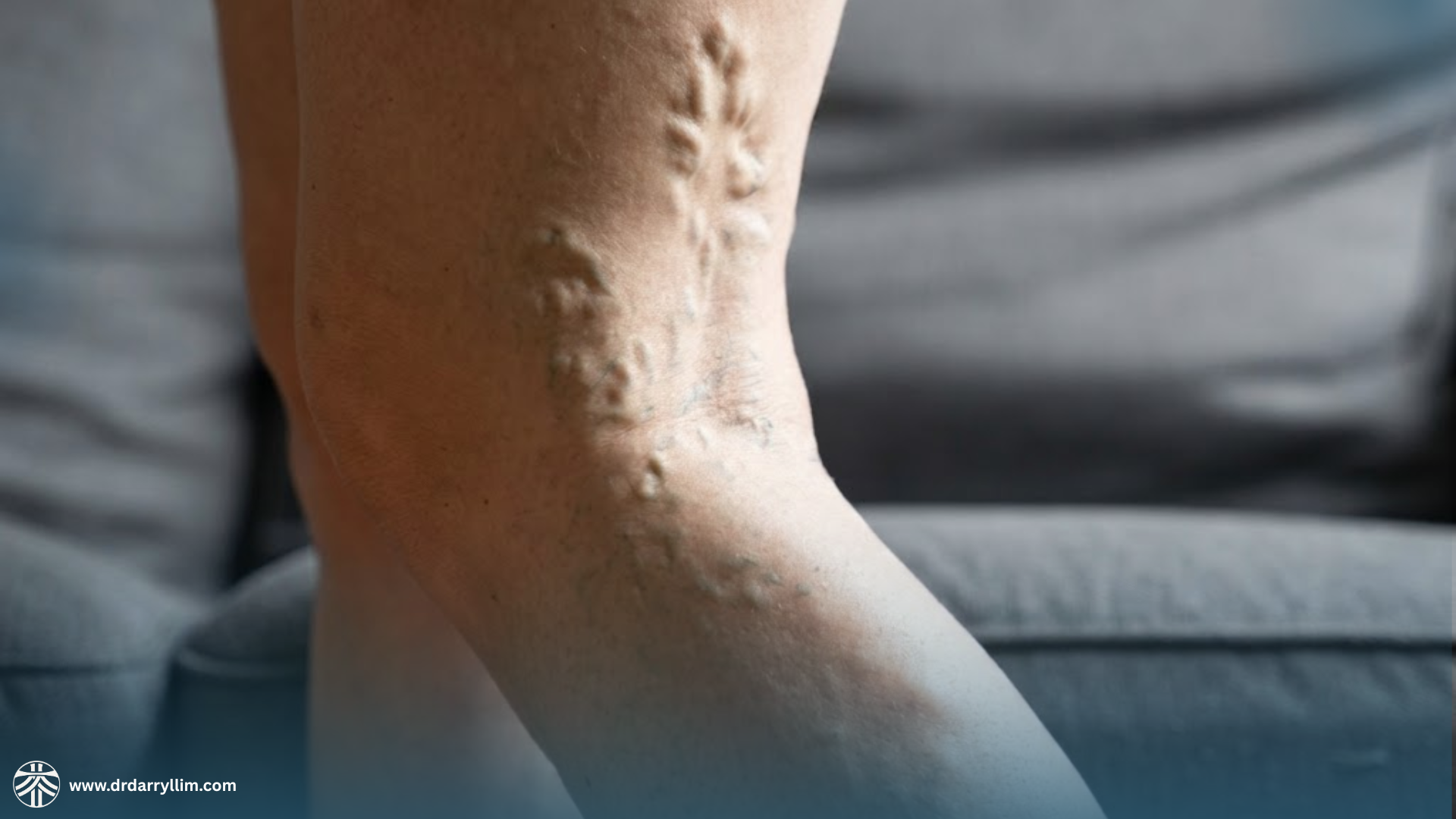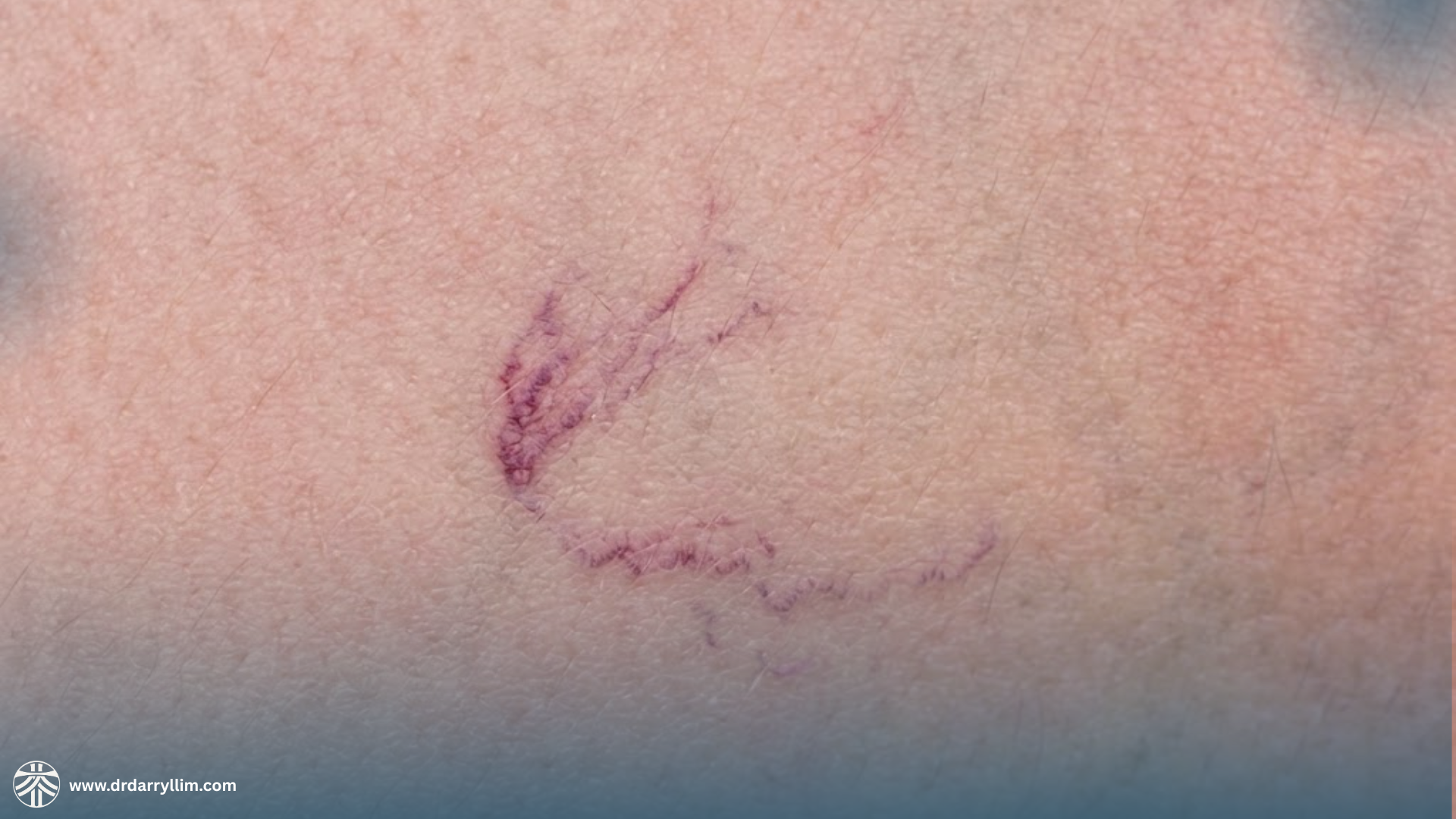

For individuals living with diabetes, foot health can be a major concern due to complications like nerve damage and circulation problems. Even minor foot injuries can become serious if left untreated. That’s why early diabetic foot screening is so important – it helps identify potential issues before they escalate into bigger problems. In Singapore, Dr. Darryl Lim and his clinic team offer specialized diabetic foot screenings that allow for early intervention, helping patients maintain their health and avoid serious complications.

The Importance of Early Foot screening for Diabetic Patients
Diabetes often leads to complications in the feet, such as neuropathy (nerve damage) and poor circulation. These conditions make it hard for patients to feel injuries, meaning small cuts, blisters, or infections might go unnoticed until they become serious. Early screenings can catch these issues in time to prevent long-term damage.
How Diabetic Neuropathy Affects Foot Health
Neuropathy is one of the most common complications for diabetic patients. This nerve damage often starts in the feet and can cause tingling, numbness, or even a complete loss of sensation. Without feeling pain, patients might not realise they have an injury, increasing the risk of infections and other complications.
Through early diabetic foot screening, signs of neuropathy can be detected, allowing patients to take steps to manage the condition and protect their foot health.
What Happens During Diabetic Foot Screening?
A diabetic foot screening is a comprehensive check-up designed to assess all aspects of foot health. Here’s what’s typically included:
- Physical Examination: The feet are checked for visible injuries like cuts, blisters, or changes in skin color and texture.
- Nerve Function Testing: Sensitivity is assessed using specialized tools to detect early signs of neuropathy.
- Circulation Assessment: Poor blood flow can slow healing and lead to ulcers or more serious issues, so circulation is closely evaluated.
- Skin and Nail Health Check: The skin and nails are examined for fungal infections or abnormalities.
This thorough approach ensures any potential issues are identified early, giving patients the strong chance to avoid complications.

Benefits of Early Foot Screening, especially in Singapore
Getting regular screenings offers numerous benefits for diabetic patients:
- Catch Problems Early: Identify issues like neuropathy or poor circulation before they worsen.
- Prompt Treatment: Early detection means faster intervention, reducing the risk of serious complications.
- Personalized Foot Care Advice: Each patient receives tailored guidance based on their unique needs.
- Lower Risk of Severe Conditions: Regular screenings can help prevent ulcers, infections, and even gangrene.
Singapore’s tropical climate, with its heat and humidity, can make foot care even more challenging for diabetic patients. Excess moisture increases the risk of fungal infections, while the climate can slow wound healing. Regular diabetic foot screenings provide patients with the guidance they need to manage these unique challenges effectively.
Preventive Foot Care Practices for Diabetic Patients
Screenings are only one part of the equation. Daily care is just as important for protecting diabetic feet. Here are some tips to keep in mind:
- Inspect Feet Daily: Look for cuts, blisters, or color changes, and address them early.
- Moisturize Regularly: Prevent dry skin and cracks with daily moisturizing, but avoid lotion between the toes.
- Choose Proper Footwear: Wear supportive shoes that reduce pressure points and prevent blisters.
- Trim Nails Carefully: Cut nails straight across to avoid ingrown toenails.
- Avoid Going Barefoot: Protect your feet from injury by always wearing shoes, even indoors.
Incorporating these habits into your routine can significantly reduce your risk of foot complications.
When to Schedule a Foot Screening
Diabetic patients should aim to have foot screenings at least once or twice a year. However, more frequent check-ups are recommended if you notice:
- Persistent numbness, tingling, or burning in your feet.
- Wounds, cuts, or blisters that don’t heal within a week.
- Redness, swelling, or unusual skin color changes.
- New pain, discomfort, or odd sensations in the feet.
If you’re experiencing any of these symptoms, don’t wait – schedule a screening to address potential issues before they worsen.
Empowering Patients Through Education in Foot Health
Dr. Lim believes that patient education is an essential part of diabetic foot care. During a screening, patients will receive practical advice on daily care, signs to watch for, and tips on choosing proper footwear. This knowledge serves to empower individuals to take control of their health and avoid preventable complications.

Conclusion
Early diabetic foot screening is a vital tool for spotting issues before they become severe. With regular check-ups and proactive care, diabetic patients can reduce the risk of serious complications and maintain their foot health.
If you are living with diabetes in Singapore, consider scheduling a screening with Dr. Lim to take control of your foot health. Contact us today to book an appointment and gain peace of mind through proactive diabetic foot care.