
May-Thurner Syndrome: Understanding and Managing Iliac Vein Compression

May-Thurner Syndrome, or Iliac Vein Compression Syndrome (IVCS), occurs when the right iliac artery compresses the left iliac vein, leading to symptoms like leg swelling and deep vein thrombosis (DVT). Understanding the causes, symptoms, diagnosis, and treatment options for IVCS can help with early detection and effective management, improving overall vascular health.
Picture of Dr. Darryl Lim

Dr. Darryl Lim

Vascular and Endovascular Surgeon | Singapore

Iliac Vein Compression Syndrome (IVCS), also known as May-Thurner Syndrome, is a condition where the left iliac vein is compressed by the right iliac artery. This compression can lead to various health issues, including leg swelling and deep vein thrombosis (DVT). Knowing about IVCS can help with early diagnosis and effective treatment.
Iliac Vein Compression 1

Causes of IVCS

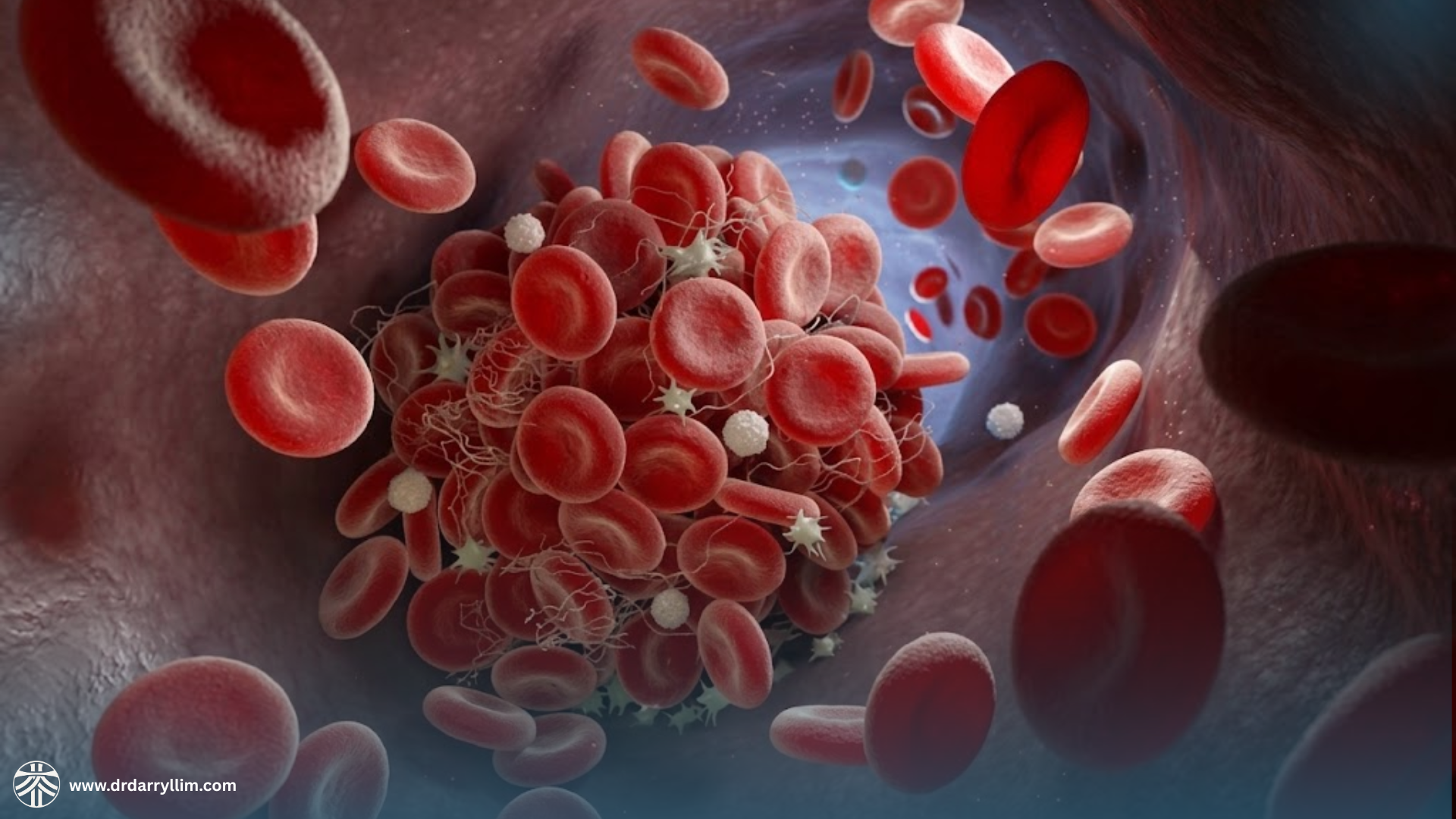
IVCS occurs when the right common iliac artery presses against the left common iliac vein, squeezing it against the spine. This can narrow the vein, reduce blood flow, and even cause a blockage. Over time, this chronic compression can lead to the development of scar tissue within the vein. Additionally, the stagnant blood flow increases the risk of blood clots, which can result in DVT.

Symptoms of IVCS

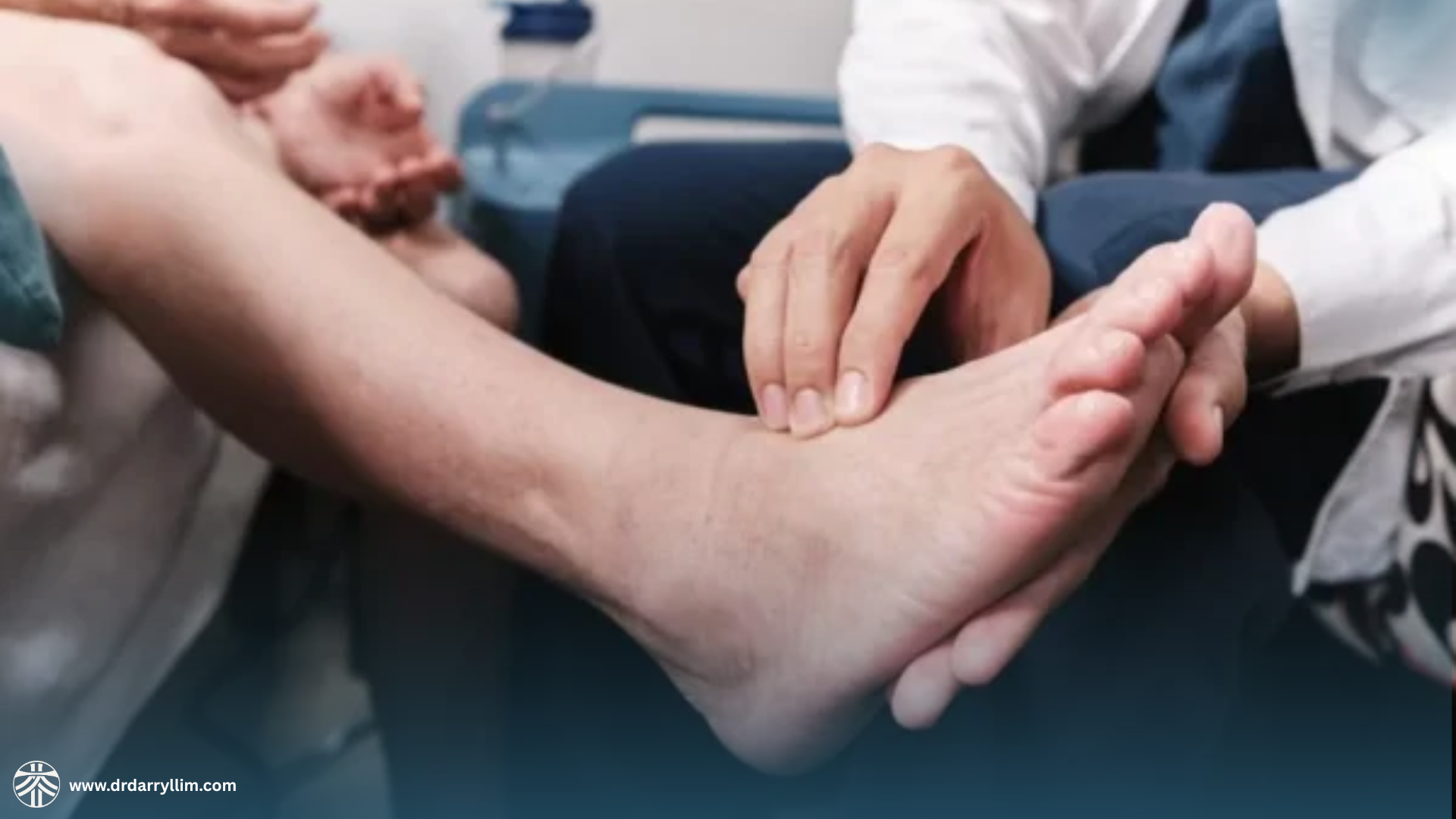
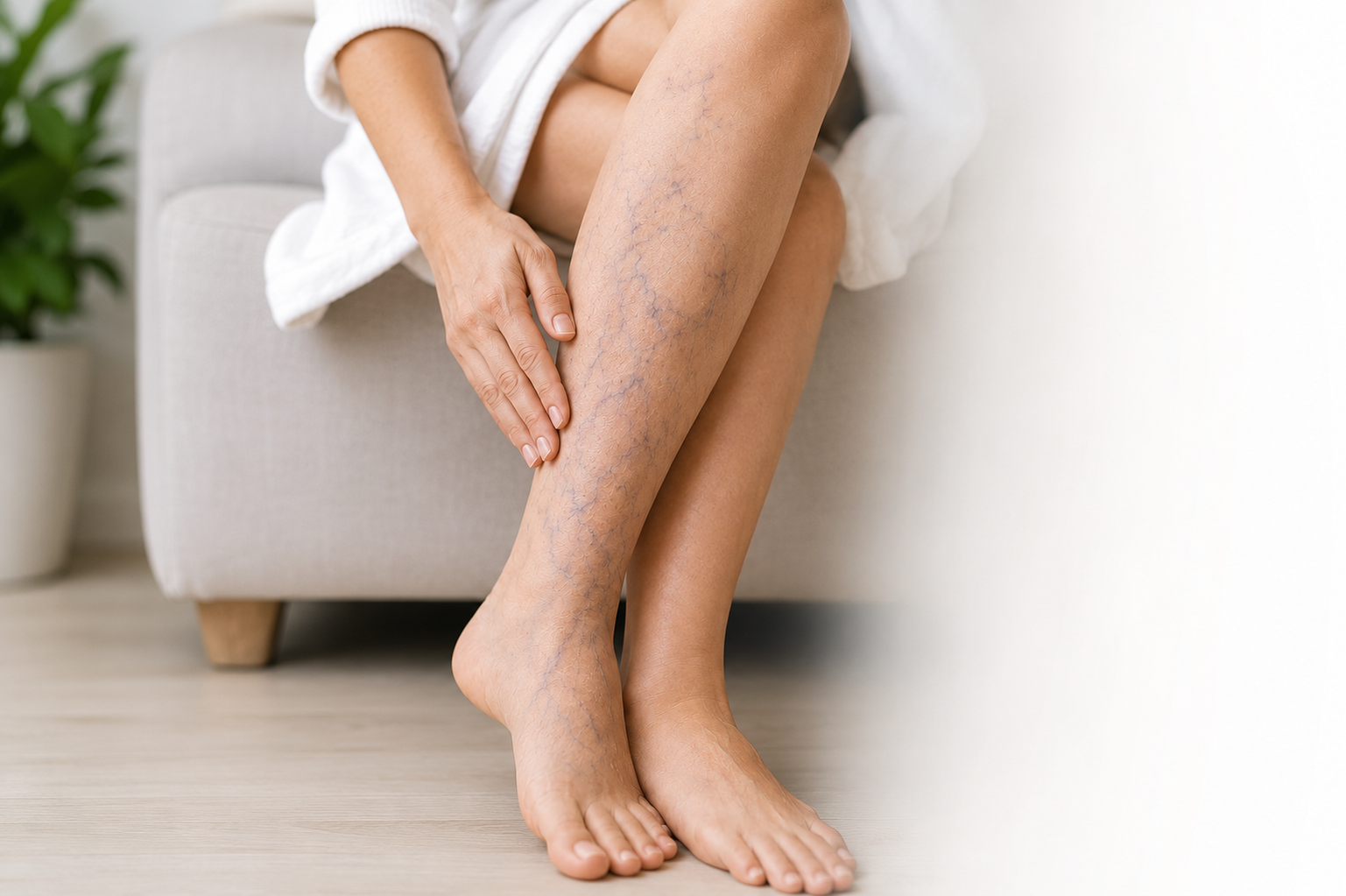
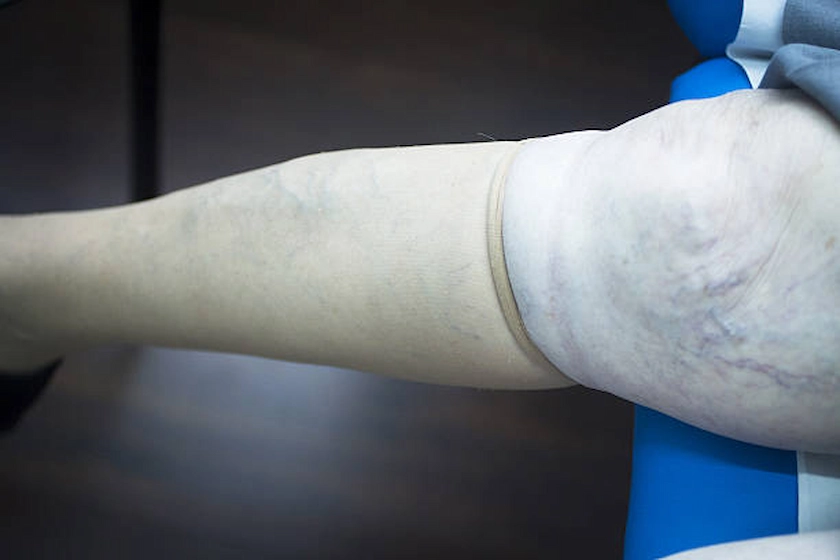
If you have IVCS, you might notice your left leg swelling more than usual. This happens because the blood return from your leg is impaired. You might also experience pain or a heavy feeling in your leg. In more severe cases, you could see skin changes, such as ulcers or discoloration, due to chronic venous insufficiency. Another common symptom is venous claudication, which is pain in your legs when you walk or exercise.

Diagnosis of IVCS

To diagnose IVCS, doctors use several imaging techniques. An ultrasound can detect vein compression and assess blood flow. More advanced imaging, such as a CT venogram or MR venogram, can visualize the compression and any related pelvic abnormalities. A diagnostic venogram, which involves X-ray imaging with contrast dye, provides detailed images of the vein.
Iliac Vein Compression

Treatment of IVCS

Treatment for IVCS can vary depending on the severity of the condition.

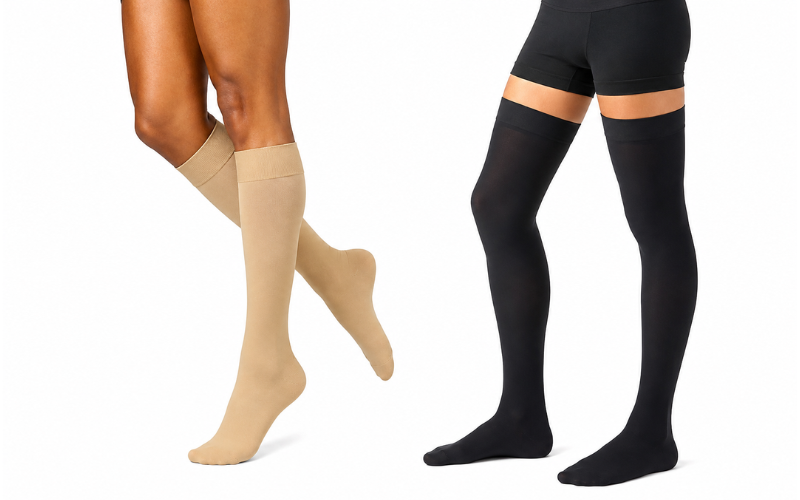
Conservative Management: For milder cases, wearing compression stockings can help improve blood flow and reduce swelling. Making lifestyle changes, such as regular exercise, managing your weight, and avoiding prolonged immobility, can also be beneficial.

Endovascular Interventions: For more severe cases, procedures like balloon angioplasty and stenting are common. During balloon angioplasty, a balloon is inserted and inflated to widen the narrowed vein. Stenting involves placing a small mesh tube in the vein to keep it open, ensuring normal blood flow. Intravascular ultrasound (IVUS) often guides these procedures to ensure accurate stent placement.

Post-Treatment Expectations

After undergoing stenting, you might feel some mild discomfort or back pain for a week or two. Painkillers can help manage this. It’s important to have regular follow-ups with your doctor to ensure the stent remains open and effective.

Prevention and Management

To prevent IVCS from worsening, regular monitoring is essential. Routine check-ups can help keep track of your vein health. Leading a healthy lifestyle, which includes staying active and maintaining a healthy weight, is crucial. If you notice any symptoms like leg swelling or pain, seek medical advice promptly to prevent complications.

Conclusion

Iliac Vein Compression Syndrome is manageable with the right diagnosis and treatment. Early intervention can prevent serious complications and improve your quality of life. For personalized advice and treatment options, visit Dr. Darryl Lim’s clinic. Our team specializes in vascular conditions and is here to provide you with expert care.
Share:

Facebook
Twitter
Pinterest
LinkedIn
Dr. Darryl Lim

Dr. Darryl Lim

Vascular and Endovascular Surgeon | Singapore

Dr. Darryl Lim is a Senior Consultant Vascular and Endovascular Surgeon at the Novena Vascular and Varicose Vein Centre in Singapore. Before this role, he served as the Director of the Vascular Unit at Changi General Hospital and as a Service Chief at the Singhealth-Duke NUS Vascular Centre. Under his tenure, Changi General Hospital’s Vascular Unit was recognized as a regional centre of excellence.

Dr. Lim has a strong commitment to training emerging interventionalists and enhancing the capabilities of vascular units in Southeast Asia. He is regularly invited to travel to regional units to conduct live case workshops and to speak at international conferences.

Related Posts

Do Varicose Veins Always Need Treatment?

Varicose veins do not always need treatment. Mild, stable varicose veins without symptoms, swelling, skin changes or complications can often be monitored. Treatment is usually considered when varicose veins cause persistent aching, heaviness, swelling, night cramps, itching, skin changes, thrombophlebitis, bleeding or venous ulcers- especially when duplex ultrasound shows significant reflux that matches the symptoms. Conservative measures can help control symptoms, but they do not repair underlying damaged vein valves.

Do I Need a GP Referral to See a Vascular Surgeon in Singapore?

You usually do not need a GP referral to see a private vascular surgeon in Singapore. You can book a private consultation directly. A referral is usually needed if you want subsidised care at a public hospital Specialist Outpatient Clinic, and some Integrated Shield Plans or corporate medical insurance schemes may require a referral before specialist fees are claimable. For urgent vascular symptoms such as sudden severe leg pain, a cold or blue foot, sudden breathlessness, or major bleeding, go directly to A&E.

MediSave cost calculation for varicose vein treatment and vascular procedures in Singapore

Does MediSave Cover Varicose Vein Treatment in Singapore?

MediSave may be used for varicose vein treatment in Singapore when the condition is medically indicated, such as when symptoms and duplex ultrasound confirm venous reflux. Minimally invasive treatments such as RFA, ClariVein, VenaSeal, ultrasound-guided sclerotherapy or mini phlebectomies may be claimable when performed as an approved surgical or day surgery procedure (with an appropriate TOSP code). Purely cosmetic spider vein treatment is generally not MediSave-claimable.

Medical compression stockings used to improve circulation, reduce leg swelling, and support venous insufficiency treatment

Do Compression Socks Help Restless Legs? When They Work and When They Don’t

Compression socks may help restless or uncomfortable legs when symptoms are linked to venous pooling, swelling, varicose veins, or chronic venous insufficiency. They are not a cure for true neurological Restless Legs Syndrome, but they can reduce heaviness, aching, crampy tightness, and night-time discomfort in selected patients. If restless legs come with swelling, visible veins, or ankle skin changes, a vascular assessment may be useful.

Illustration showing the treatment process and closure of a varicose vein after minimally invasive vein treatment

What Happens to Varicose Veins After Treatment?

After varicose vein treatment, the diseased vein is usually closed, sealed, or removed so blood can
reroute through healthier veins. The treated vein may still be visible or feel firm at first, but over weeks
to months, the body gradually breaks it down. Symptoms such as heaviness, aching, and swelling
often improve earlier than the visible appearance. Full cosmetic results take time, and some patients
may need staged treatment for remaining surface veins or spider veins.