
Pelvic Congestion Syndrome: Understanding and Managing Chronic Pelvic Pain

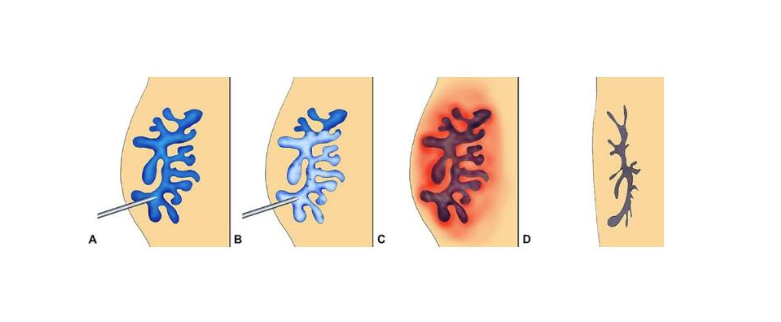
Pelvic Congestion Syndrome (PCS) is a chronic condition causing persistent pelvic pain due to varicose veins in the pelvic area. Understanding PCS, its symptoms, causes, and treatment options is crucial for effective management and an improved quality of life.
Picture of Dr. Darryl Lim

Dr. Darryl Lim

Vascular and Endovascular Surgeon | Singapore

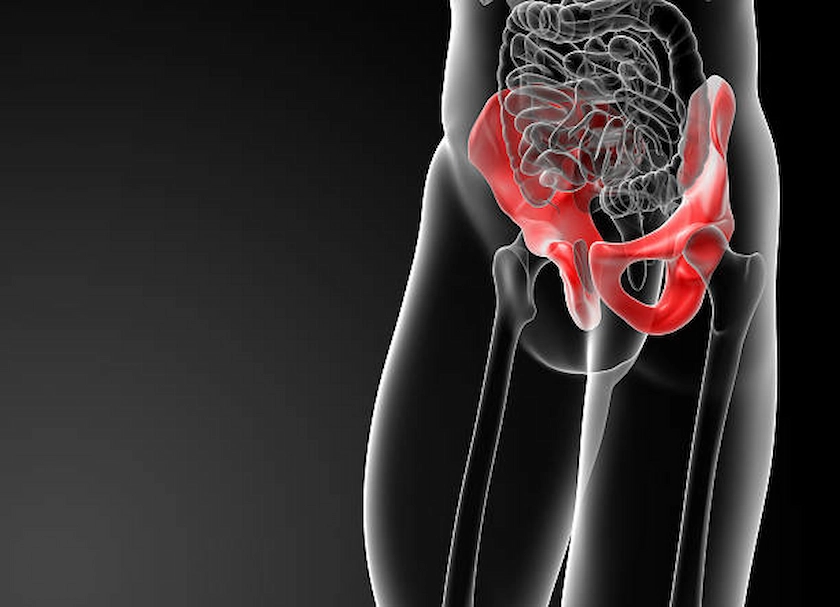
Pelvic Congestion Syndrome (PCS) is a chronic condition that affects many women, characterized by persistent pelvic pain due to varicose veins in the pelvic area. Understanding PCS, its symptoms, causes, and treatment options is essential for effective management and an improved quality of life.
Pelvic Congestion Syndrome Understanding And Managing Chronic Pelvic Pain

Symptoms of Pelvic Congestion Syndrome

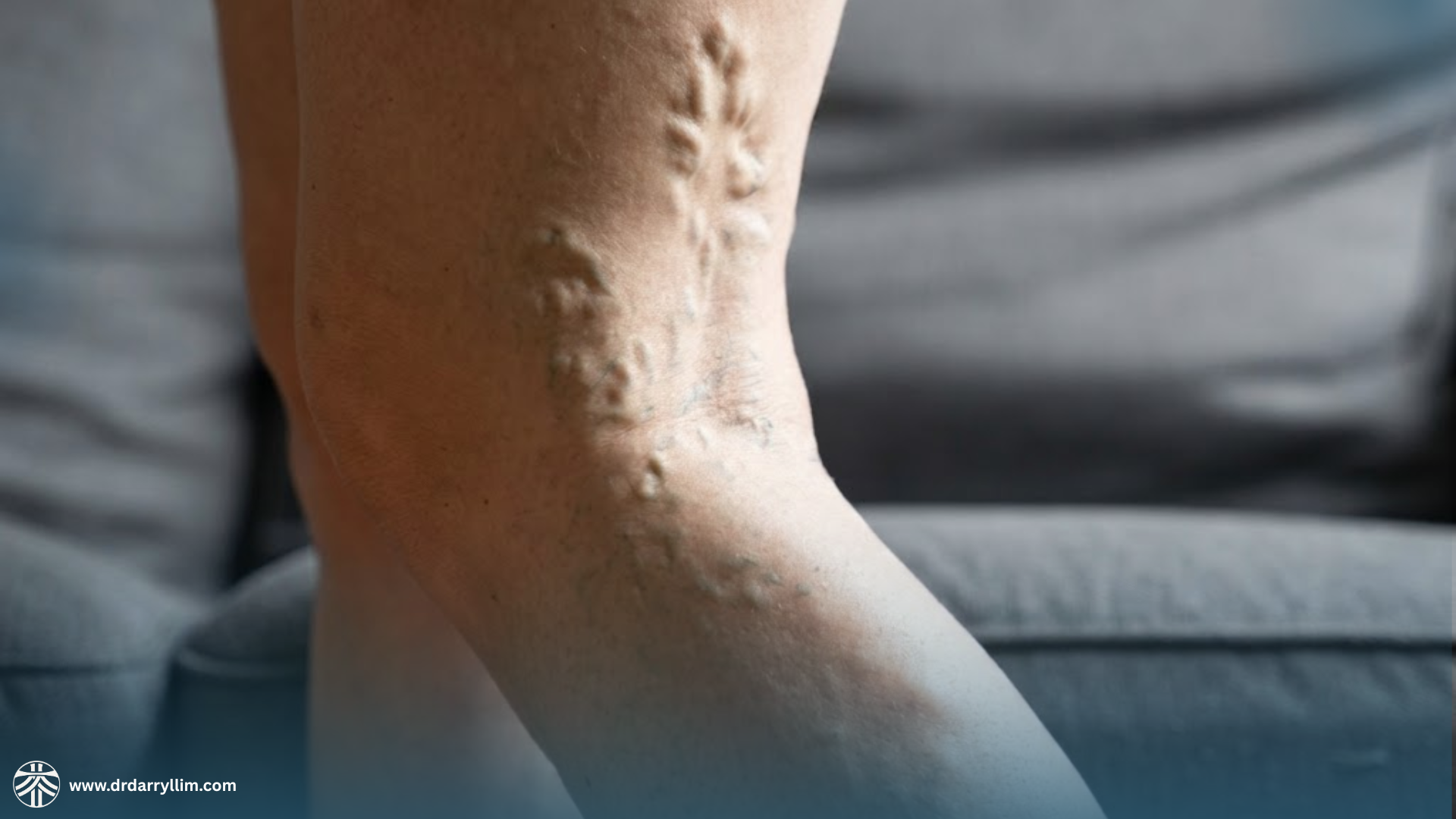
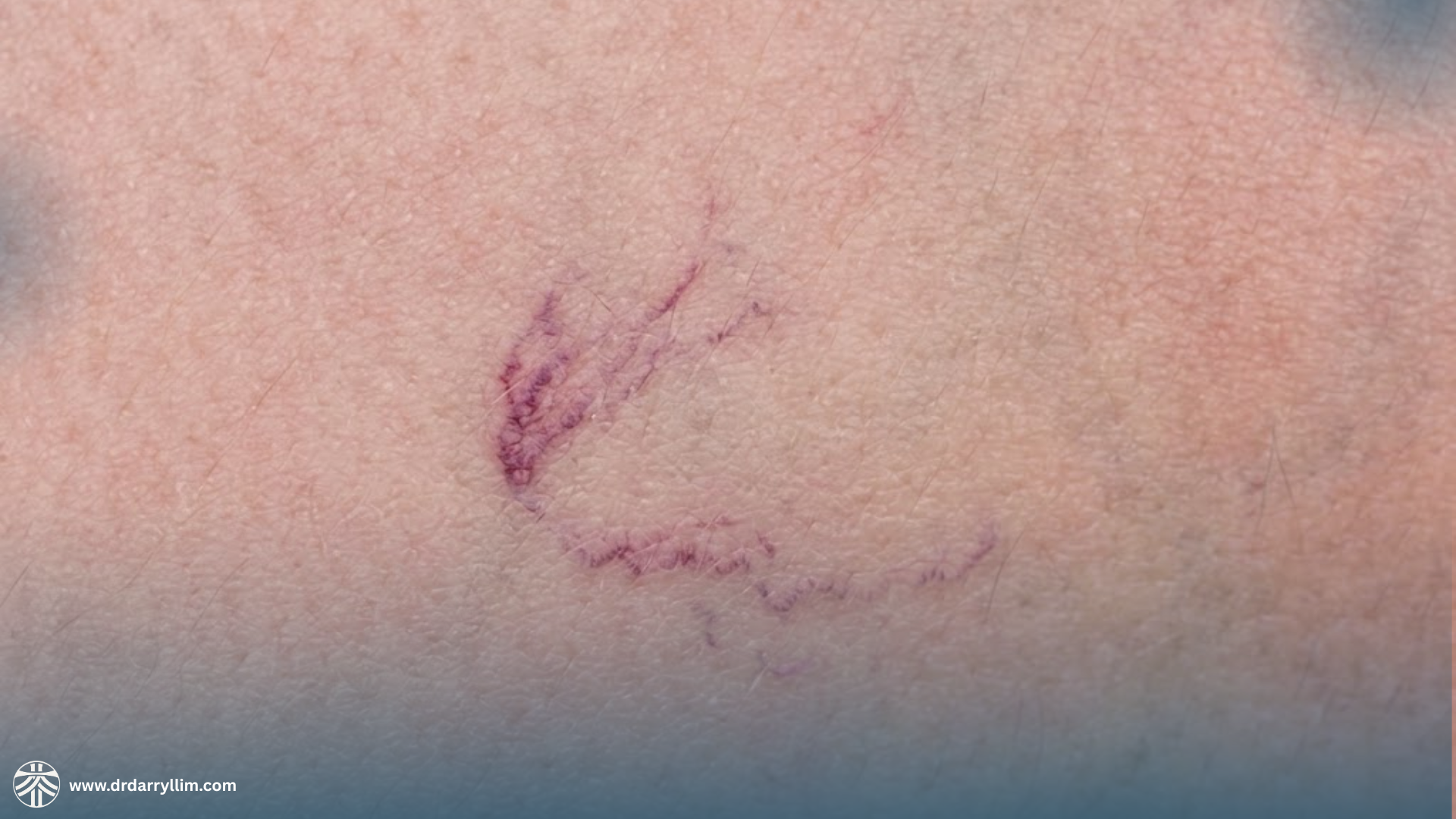
If you suffer from PCS, you might experience chronic pelvic pain lasting six months or more. This pain is usually dull and aching, often getting worse with prolonged sitting or standing and during menstruation. You might also have lower back pain that extends to your buttocks and thighs. Visible varicose veins can appear in areas like the vulva, buttocks, or thighs. Pain during intercourse, known as dyspareunia, is another common symptom, which can intensify during or after sexual activity. Additionally, you might face bladder and bowel dysfunction, experiencing symptoms like an irritable bladder, frequent urination, and either constipation or diarrhea. Hormonal changes during menstruation can make these symptoms worse.

Causes of Pelvic Congestion Syndrome

There are several factors that contribute to PCS. Hormonal influences, particularly high levels of estrogen during pregnancy, can weaken vein walls, leading to the development of varicose veins. Multiple pregnancies can increase blood volume and pressure, enlarging pelvic veins. Genetics also play a role, as some women inherit weaknesses in vein walls or valve dysfunction. Conditions like Nutcracker Syndrome or May-Thurner Syndrome can cause vein compression, which contributes to PCS.

Pelvic Congestion Syndrome

Diagnosing Pelvic Congestion Syndrome

Diagnosing PCS typically involves several imaging techniques. A pelvic ultrasound is often the first step, as it can identify varicose veins and rule out other causes. For a more detailed view, doctors may use a Computed Tomography Venogram (CTV) or Magnetic Resonance Venogram (MRV) to visualize the pelvic veins. The most definitive diagnostic tool is a contrast venography, which uses contrast dye to detect abnormal veins.

Treatment Options for Pelvic Congestion Syndrome

When it comes to treating PCS, there are several options depending on the severity of your condition.

Conservative Management: This involves lifestyle modifications like regular physical activity, weight management, avoiding prolonged sitting or standing, and using compression garments. Adjusting your diet to reduce salt intake and increase fiber can also help alleviate symptoms and improve vein health.

Medications: Pain relief can be managed with NSAIDs to reduce pain and inflammation. Hormonal treatments may help regulate hormonal imbalances, thereby reducing symptoms.

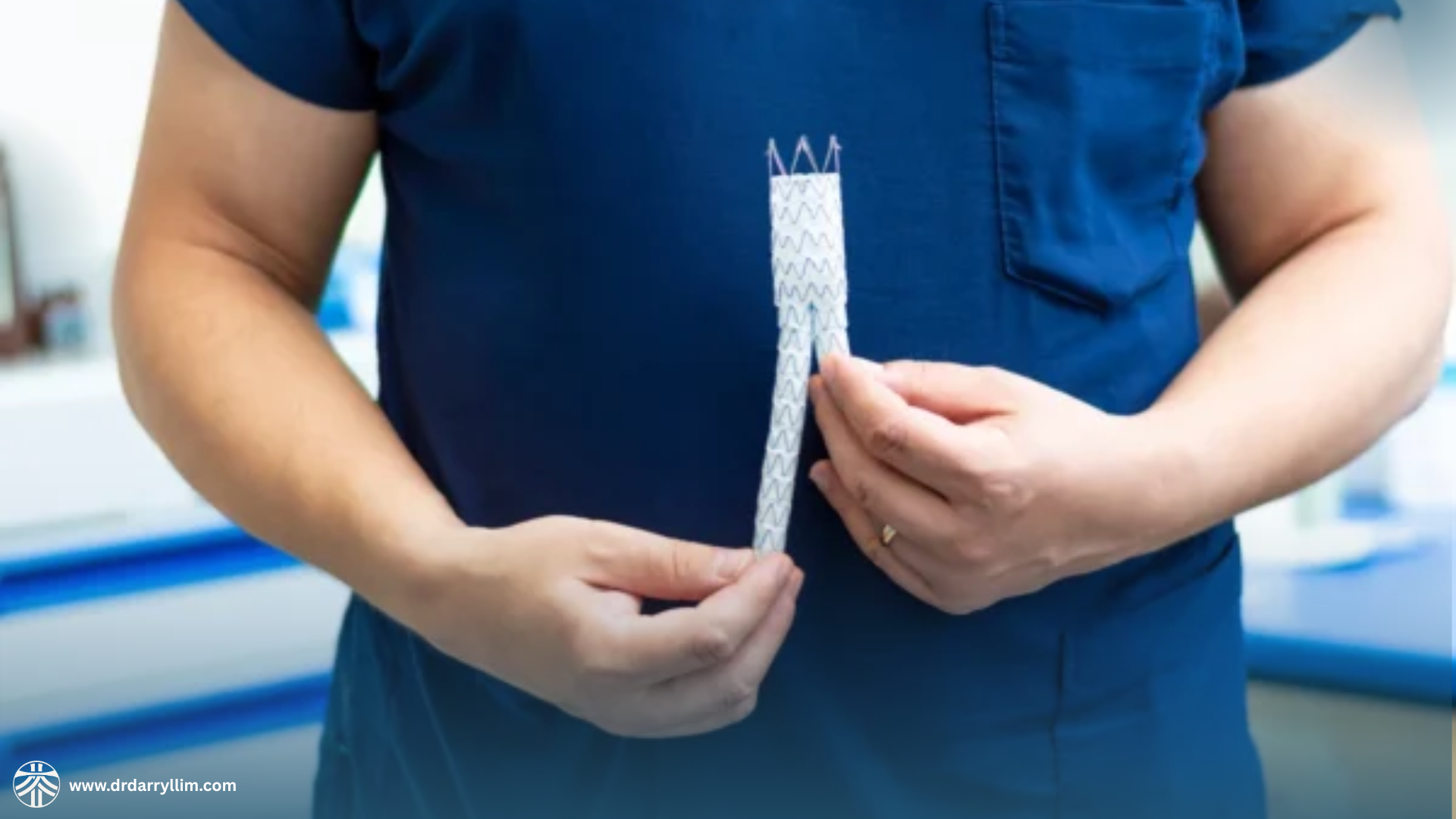
Minimally Invasive Procedures: Ovarian vein embolization is a common minimally invasive procedure where a catheter is used to inject sclerosing agents and place coils or plugs to close off faulty veins. Sclerotherapy involves injecting a solution that scars and closes varicose veins. In cases where PCS is linked to conditions like Nutcracker Syndrome or May-Thurner Syndrome, endovascular stenting may be necessary.

Surgical Intervention: For severe cases where other treatments fail, surgical options are available. Vein ligation and stripping involve the surgical removal of varicose veins. Laparoscopic surgery can be used to ligate affected veins, and in certain cases, ovarian vein or renal vein transposition might be required depending on the underlying condition.

Living with Pelvic Congestion Syndrome

Living with PCS involves regular follow-ups with your healthcare provider to monitor your condition and adjust treatments as needed. Supportive therapies like physical therapy, pelvic floor exercises, and counseling can help manage symptoms and improve your quality of life. It’s important to educate yourself about PCS and be aware of triggers that can exacerbate symptoms.

Conclusion

Pelvic Congestion Syndrome can significantly impact a woman’s life, but with proper diagnosis and a comprehensive treatment plan, symptoms can be managed effectively. If you suspect you have PCS, consult with a healthcare provider specializing in vascular conditions for an accurate diagnosis and personalized treatment plan.

For more information and expert advice, visit Dr. Darryl Lim’s clinic. Our dedicated team is here to provide comprehensive care for all your vascular health needs.
Share:

Facebook
Twitter
Pinterest
LinkedIn
Dr. Darryl Lim

Dr. Darryl Lim

Vascular and Endovascular Surgeon | Singapore

Dr. Darryl Lim is a Senior Consultant Vascular and Endovascular Surgeon at the Novena Vascular and Varicose Vein Centre in Singapore. Before this role, he served as the Director of the Vascular Unit at Changi General Hospital and as a Service Chief at the Singhealth-Duke NUS Vascular Centre. Under his tenure, Changi General Hospital’s Vascular Unit was recognized as a regional centre of excellence.

Dr. Lim has a strong commitment to training emerging interventionalists and enhancing the capabilities of vascular units in Southeast Asia. He is regularly invited to travel to regional units to conduct live case workshops and to speak at international conferences.

Related Posts

MediSave cost calculation for varicose vein treatment and vascular procedures in Singapore

Does MediSave Cover Varicose Vein Treatment in Singapore?

MediSave may be used for varicose vein treatment in Singapore when the condition is medically indicated, such as when symptoms and duplex ultrasound confirm venous reflux. Minimally invasive treatments such as RFA, ClariVein, VenaSeal, ultrasound-guided sclerotherapy or mini phlebectomies may be claimable when performed as an approved surgical or day surgery procedure (with an appropriate TOSP code). Purely cosmetic spider vein treatment is generally not MediSave-claimable.

Medical compression stockings used to improve circulation, reduce leg swelling, and support venous insufficiency treatment

Do Compression Socks Help Restless Legs? When They Work and When They Don’t

Compression socks may help restless or uncomfortable legs when symptoms are linked to venous pooling, swelling, varicose veins, or chronic venous insufficiency. They are not a cure for true neurological Restless Legs Syndrome, but they can reduce heaviness, aching, crampy tightness, and night-time discomfort in selected patients. If restless legs come with swelling, visible veins, or ankle skin changes, a vascular assessment may be useful.

Illustration showing the treatment process and closure of a varicose vein after minimally invasive vein treatment

What Happens to Varicose Veins After Treatment?

After varicose vein treatment, the diseased vein is usually closed, sealed, or removed so blood can
reroute through healthier veins. The treated vein may still be visible or feel firm at first, but over weeks
to months, the body gradually breaks it down. Symptoms such as heaviness, aching, and swelling
often improve earlier than the visible appearance. Full cosmetic results take time, and some patients
may need staged treatment for remaining surface veins or spider veins.

Person holding a painful leg affected by varicose veins and potential vein bleeding complications

Can a Varicose Vein Burst? What to Do If It Bleeds

Yes, a varicose vein can burst and bleed, especially when the vein is large, under pressure, and covered by thin or fragile skin. If this happens, lie down, raise the leg, and apply firm direct pressure over the bleeding point with a clean cloth or dressing. Even if the bleeding stops, you should arrange an urgent vascular surgeon review because the underlying venous reflux may still be present, and bleeding can recur.

Person touching swollen ankle and lower leg, a common symptom of venous insufficiency or varicose vein disease.

Why Are My Ankles Swollen? Common Causes, Hidden Risks, and When to Worry

Most ankle swelling is related to gravity and fluid pooling- often from prolonged standing/sitting, salty meals, weight gain, pregnancy, or vein-related pooling (chronic venous insufficiency). If swelling is persistent, worsening, associated with ankle skin itch/discolouration, or improves noticeably with leg elevation, venous reflux becomes the most likely culprit. If swelling is sudden and one-sided, painful, red/warm, or you have breathlessness or chest discomfort, seek urgent medical assessment.