
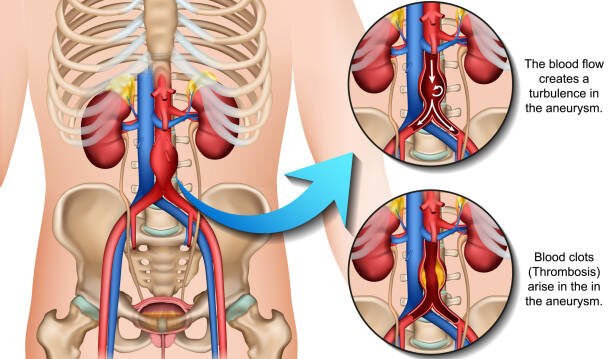
Aortic aneurysms happen when a weak spot in the aorta slowly stretches out. Most of the time it is not one single cause. It is age, life habits, and family tendencies adding up. The single most important risk factor is smoking. The more you smoke, the higher your risk.
Why aneurysms form
Your aorta carries blood from the heart to the rest of the body. Over the years the wall can lose strength. Microscopic changes in the elastic layers make it easier for a bulge to form and slowly enlarge.
The big risk factors
Some risk factors are simply part of our biological makeup, while others come from the way we live. Understanding both helps you get a clearer picture of your personal risk.
Non-modifiable factors
Age
The risk of developing an aortic aneurysm rises steadily after the age of 60. The aorta naturally stiffens with time, and small weaknesses can slowly enlarge over the years.
Sex
Men are affected several times more often than women, which is why most international screening programmes focus on older men.
Family history
Having a first-degree relative with an abdominal aortic aneurysm raises your likelihood of developing one yourself. This is often a quiet but important clue that screening may be worthwhile.
Inherited conditions
Conditions such as Marfan syndrome, Ehlers Danlos syndrome and bicuspid aortic valve can weaken the aortic wall from a young age. People with these conditions, or families where they are present, often need tailored surveillance.
Modifiable factors
Smoking
This is the single most powerful driver. Smoking injures the lining of the aorta and speeds up aneurysm formation and growth. The good news is that stopping makes a measurable difference at any age.
High blood pressure
Constant high pressure places extra strain on the aortic wall. Good blood pressure control slows ongoing damage and reduces the strain on the vessel.
Atherosclerosis and high cholesterol
Fatty build-up and inflammation in the vessel wall can make it more fragile. Managing cholesterol and keeping the arteries healthy helps lower the overall risk.
Chronic lung disease and long-term coughing
Repeated bouts of forceful coughing increase the mechanical stress on the aorta, adding to the workload on an already stiff vessel.
Central obesity and inactivity
Weight around the abdomen and a sedentary lifestyle are closely linked to atherosclerosis, high blood pressure and other vascular stresses.
Lesser known but worth noting
Diabetes
Several studies have shown a lower prevalence of abdominal aortic aneurysm in people with diabetes, and the biology behind this continues to be studied. Importantly, this does not reduce the overall cardiovascular risks associated with diabetes, so routine heart and vessel care remains essential.
Who is most at risk in Singapore
Patterns here are similar to the rest of Asia. Overall prevalence is lower than in many Western countries, yet the same groups carry most of the risk. Older men, current or former smokers, and people with cardiovascular risks are the ones most likely to benefit from a one off abdominal ultrasound. Singapore does not run a universal screening programme, so screening is usually offered based on personal risk.
What you can change today
Stop smoking
This is the single most powerful step you can take. The injury to the aorta begins to ease once you quit, and the benefits continue to build over time.
Keep blood pressure under control
Take your medications as prescribed and monitor home readings. Stable, well-managed blood pressure reduces the strain on the aortic wall.
Improve cholesterol and reduce atherosclerosis risk
Focus on steady, sustainable habits: balanced meals, regular movement and cholesterol-lowering medication when your doctor recommends it. These small changes protect the arteries over the long term.
Maintain a healthy weight and waistline
You do not need dramatic diets. Slow, consistent improvements in activity and eating patterns make the biggest difference.
Know your family history
Share it with your doctor, especially if a parent or sibling has had an aneurysm or a sudden unexplained death. This information can guide whether screening is appropriate for you.
A gentle next step
If you are a man over 65, if you have ever smoked, or if aneurysms run in your family, it may be worth considering a one-off ultrasound of the abdominal aorta. If you prefer a guided and personalised plan, you can arrange a consultation with Dr Darryl Lim, Vascular and Endovascular Surgeon. He will review your individual risk factors, organise the appropriate scan if needed, and explain the findings and next steps clearly in plain, easy to understand English.
FAQs you can read at a glance
Does an aneurysm always need surgery
No. Small aneurysms are usually watched with regular scans while you work on risk factors. Repair is advised once size or growth rate reaches a safer threshold for treatment.
Are women ever affected
Yes. Women can develop aneurysms too, although less often. When they do, close follow up is just as important.
If I quit smoking now, does it still help
Yes. Quitting lowers the chance of forming a new aneurysm and slows growth of an existing one. It also improves outcomes if repair is ever needed.