

A common question patients ask before varicose vein treatment is: “Can I use MediSave for this?”
The answer is- it depends on whether the treatment is medically indicated, or purely cosmetic.
In Singapore, MediSave may be used for approved hospitalisation, day surgery and certain outpatient expenses, subject to prevailing withdrawal limits. For varicose vein treatment, this usually means the procedure must be performed as an approved surgical or day surgery procedure, with an appropriate Table of Surgical Procedures (TOSP) code applied by your surgeon.
Put simply- symptomatic varicose veins with ultrasound-confirmed venous reflux may be claimable. Cosmetic-only spider vein treatment generally is not.
In this article, Dr Darryl Lim, a vascular and varicose vein specialist in Singapore, explains when varicose vein treatment may be MediSave-claimable, how Integrated Shield Plans may help, and what patients should clarify before proceeding.
When is Varicose Vein Treatment MediSave-claimable?
MediSave coverage depends on medical indication and necessity.
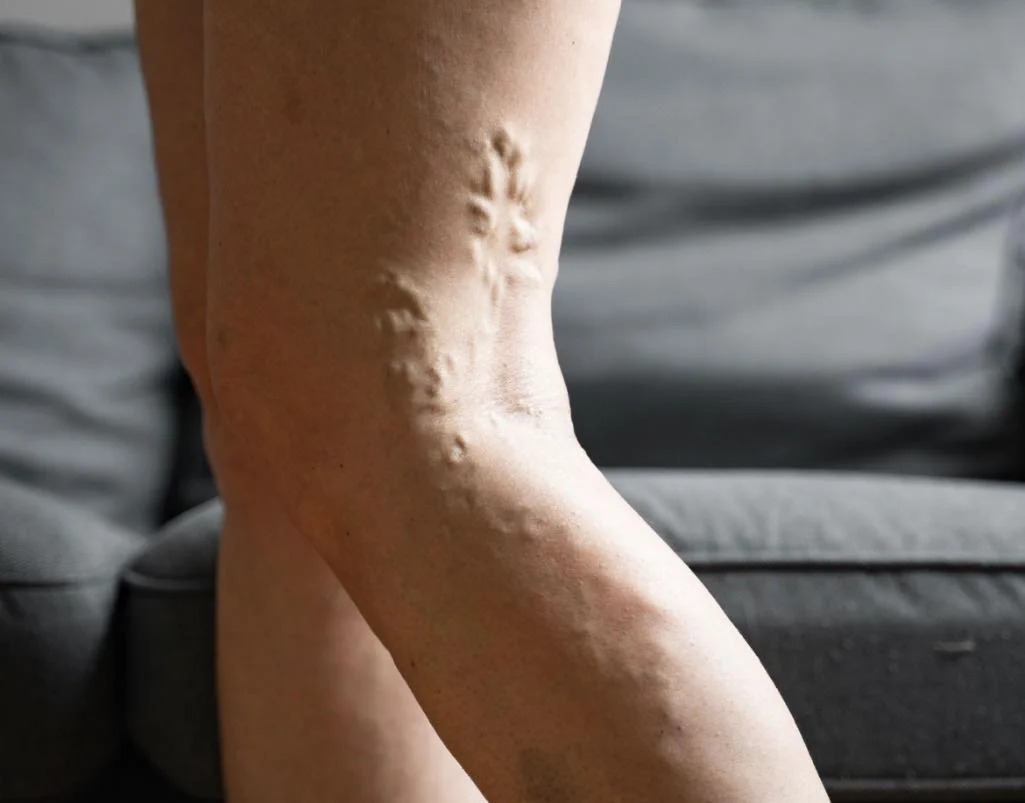
This means the treatment should be for a recognised medical problem, not simply for cosmetic appearance. In varicose vein disease, medical necessity is usually supported by:
- Signs and symptoms suggestive of venous reflux
- Duplex ultrasound evidence of abnormal vein valve function (“venous reflux”)
- The planned procedure being an approved surgical/day surgery treatment under the relevant TOSP code.
Your vascular surgeon should usually assess whether your varicose veins are causing a medical problem, and whether the proposed treatment is appropriate.
Signs and Symptoms that may support medical necessity
Varicose vein treatment is more likely to be considered medically indicated when symptoms include:
- Persistent aching, heaviness, or cramping in the legs
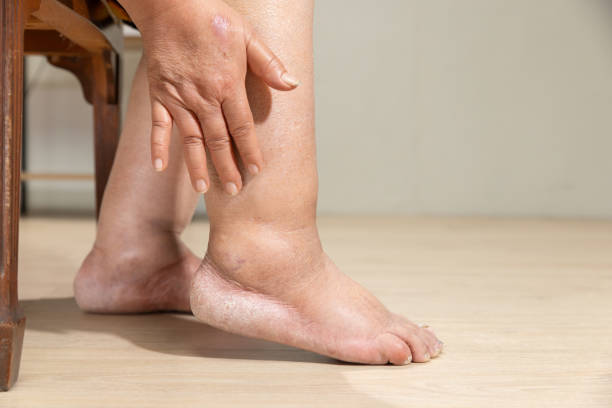
- Swelling around the ankles, usually at the end of the day
- Night cramps or restless legs
- Pain, itching, or discomfort along visible bulgy varicose veins
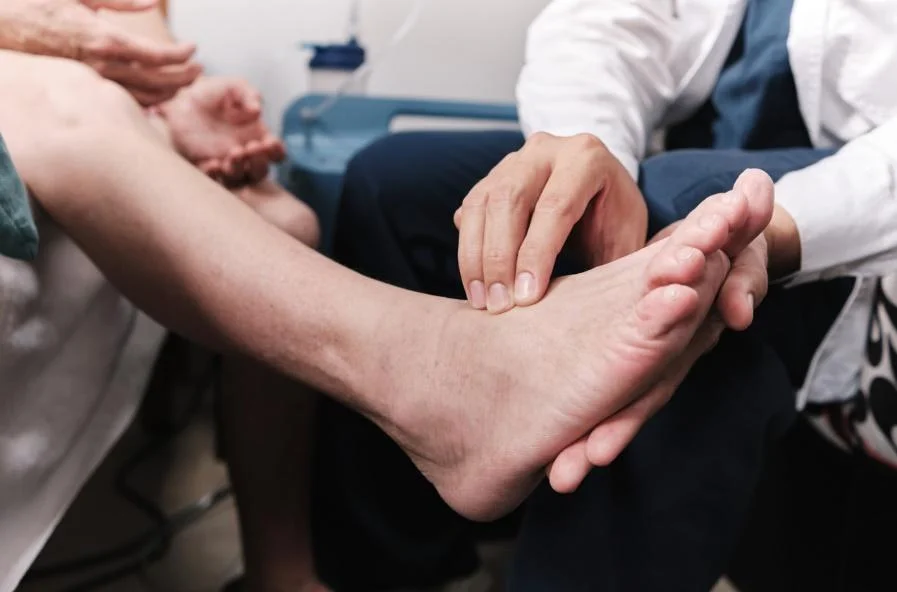
- Venous skin changes around the foot and ankles- such as eczema or pigmentation
- Bleeding from a varicose vein
- Healed or active venous ulcers (usually occurring around the ankles)
These symptoms suggest that the issue is not just cosmetic. They may reflect chronic venous insufficiency, where faulty vein valves allow blood to fall backwards and pool in the legs.
Why a Venous Duplex Ultrasound matters
A venous duplex ultrasound scan is usually the key test for varicose veins.
It helps identify:
- Whether venous reflux is present
- Which veins are affected- ie whether the long saphenous, short saphenous, or perforating veins are “leaky”
- The presence of deep venous thrombosis (blood clots in deep veins)
- Whether the condition is medically significant rather than cosmetic-only
This matters because MediSave eligibility is not based simply on how visible the veins are. A person may have obvious spider veins but no significant reflux, while another patient may have less visible veins but significant symptoms and ultrasound-confirmed venous insufficiency.
In practical terms, duplex ultrasound helps support the medical basis for treatment and guides your surgeon in procedural planning.
What are the Varicose Vein Treatments that may be MediSave claimable?
Several modern varicose vein treatments may be MediSave-claimable when they are medically indicated and performed under the appropriate surgical code.
These may include:
RFA uses heat generated by radiofrequency energy to close a refluxing vein from the inside. It is commonly performed as a minimally invasive day surgery procedure.
VenaSeal (medical “glue” closure)
VenaSeal uses a medical adhesive to close the refluxing vein. It is a non-thermal technique and may be suitable for selected patients depending on anatomy and clinical indication.
ClariVein (mechanochemical ablation)
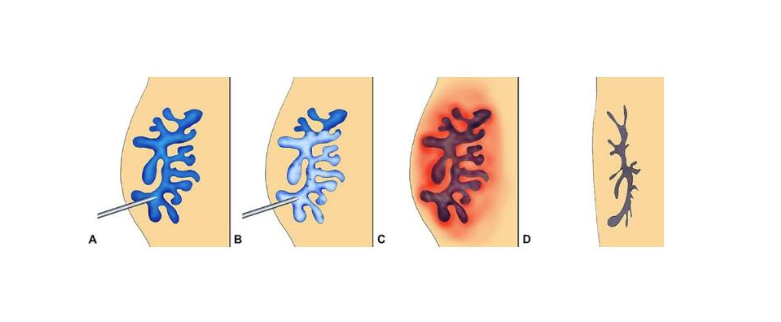
ClariVein combines mechanical irritation of the vein lining with a sclerosant medication to close the diseased vein.
Ultrasound-guided Sclerotherapy
Sclerotherapy may be used for selected refluxing veins, residual branches, or smaller varicose veins. Whether it is claimable depends on the clinical context and how it is performed as part of the treatment episode.
Mini Phlebectomies(aka mini “stab avulsions”)
This involves removing prominent surface varicose veins through tiny punctures. It is usually performed together with treatment of the underlying refluxing truncal vein.
Conventional Vein Open Surgery
Traditional ligation and stripping is less commonly used today but may still be considered in selected situations.
Do take note that the procedure itself does not automatically guarantee MediSave use. The treatment must be medically indicated, appropriately coded, and performed in a setting (eg. approved hospital or day surgery centre) where MediSave claims can be processed.
What is usually not MediSave claimable?
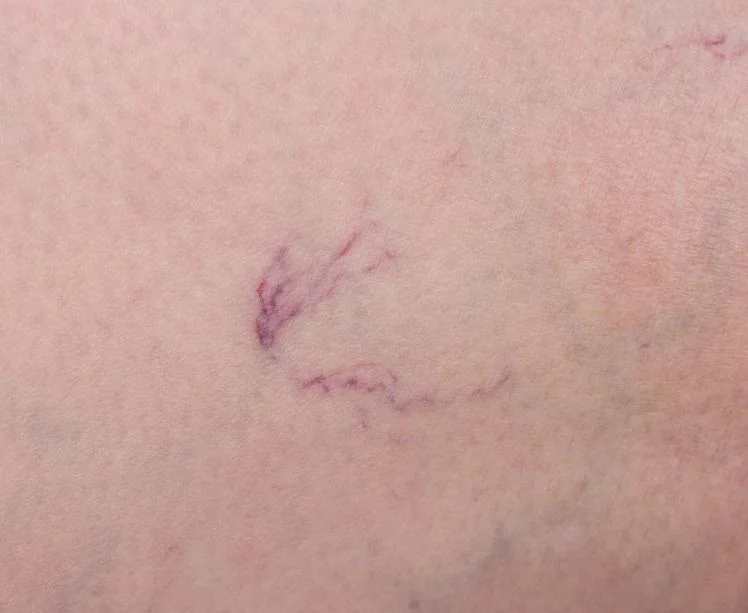
Purely cosmetic spider vein treatment is generally not MediSave claimable.
This includes treatment performed only to improve the appearance of:
- Spider veins
- Thread veins
- Small cosmetic surface veins
- Without symptoms or ultrasound scan findings of underlying reflux
For example, microsclerotherapy performed purely for appearance is usually treated as a cosmetic procedure and paid out-of-pocket.
However, spider veins can sometimes coexist with underlying venous reflux (and symptoms of chronic venous insufficiency). If the main problem is medically significant reflux, the reflux treatment may be claimable, while cosmetic adjuncts may still be billed separately. This distinction should be clarified before treatment.
How much MediSave can be used?
MediSave withdrawal is subject to MOH withdrawal limits, so the amount claimable is not unlimited.
For inpatient and approved day surgery procedures, the MediSave claimable amount is generally made up of two parts: a daily hospital charge limit and a surgical limit. The surgical limit depends on the complexity of the operation, which in turn is reflected by the Table of Surgical Procedures (TOSP) code assigned to the procedure.
For patients, the practical takeaway is:
- The MediSave withdrawal amount is capped
- The amount depends on the assigned procedural TOSP code
- The hospital or day surgery centre will usually provide a financial estimate before treatment
- MediSave may reduce the cash portion, but will likely not be able to cover the entire bill
The final billing structure depends on the hospital or day surgery centre, the procedure performed, and how it is coded. It is best to confirm this with the clinic or billing office before your surgery.
Can I use a family member’s MediSave?
In some situations, yes. CPF states that a patient can tap on one or more immediate family members’ MediSave for hospitalisation expenses, subject to MediSave withdrawal limits. Immediate family members include spouse, children, parents, grandchildren and siblings, with some eligibility conditions for use of one’s grandchildren’s or siblings’ MediSave.
This means family MediSave may help reduce the cash portion, but the total amount usable is still capped by the applicable withdrawal limits.
What about Integrated Shield Insurance Plans?
Many Singaporeans and Permanent Residents have an Integrated Shield Plan (IP), which provides additional private insurance coverage on top of MediShield Life.
For medically indicated varicose vein treatment, an IP may help reduce out-of-pocket costs. However, the actual coverage depends on several factors, including the insurer’s policy terms, the patient’s plan tier, whether the doctor and facility are on the insurer’s specialist panel, and whether pre-authorisation or a Letter of Guarantee is approved.
Other details also matter- such as deductibles, co-insurance, rider terms, policy exclusions, and the insurer’s assessment of medical necessity.
Patients should not assume that every varicose vein procedure is automatically covered. Where possible, it is sensible to obtain pre-authorisation or a Letter of Guarantee before treatment, so the expected coverage and out-of-pocket portion are clearer upfront.
How does the Claim Process work?

Patients usually do not submit the claim manually. For MediShield Life claims, the medical institution will help submit the claim on the patient’s behalf. If the patient has an Integrated Shield Plan, the private insurer processes the claim and payment, including the MediShield Life portion.
For varicose vein treatment, the typical process is:
- Consultation and duplex ultrasound
Your vascular surgeon will first assess you and order a venous duplex ultrasound scan if there are signs/symptoms suggestive of venous reflux. - Treatment recommendation
Based on your symptoms and ultrasound scan findings. If surgery is recommended, proceed to financial counselling and LOG application. - Financial Counselling (“FC”) / estimated costs
The clinic or facility provides an estimate of the surgical costs, including approximate MediSave deductible portion, insurance coverage, and out-of-pocket portion. - Pre-authorisation / Letter of Guarantee (“LOG”)
If you have an Integrated Shield Plan, your surgeon/clinic will assist with applying to your insurer for pre-authorisation. - Day surgery
The hospital or day surgery centre will ask you to sign the necessary MediSave and insurance authorisation forms. - Claim submission
The hospital or day surgery centre submits the relevant claims according to the billing process.
The exact process can differ depending on the institution and insurer (eg. Integrated Shield Plan vs Corporate Insurances). Patients should clarify the steps with the clinic beforehand.
Are Outpatient Consultations and Scans MediSave-claimable?
Routine outpatient consultation fees and perioperative duplex ultrasound scans are generally not MediSave-claimable.
However, patients with an Integrated Shield Plan (IP) may have separate private insurance coverage for certain pre-hospitalisation and post-hospitalisation outpatient expenses, such as specialist consultations, scans, or tests related to the same condition that led to the surgery. This is separate from MediSave usage.
The eligible time window varies by insurer, plan type, panel status, rider terms, and policy conditions. For example, Income Insurance’s specialist panel information states that, for the Enhanced IncomeShield Preferred plan, pre- and post-hospitalisation treatment expenses may be reimbursed for up to 180 days before admission and 365 days after discharge (when inpatient treatment is provided by its panel and paid under the plan). Prudential’s PRUShield similarly lists pre- and post-hospitalisation coverage of up to 180 days before hospitalisation and 365 days after hospitalisation, subject to the plan’s terms and conditions.
Because of this, it is worth asking the clinic or billing team for a clear estimate before treatment. The estimate should ideally show the consultation fee, duplex ultrasound fee, surgeon’s fee, facility or day surgery charges, and anaesthetist fees if applicable. It should also indicate the estimated MediSave claimable amount, estimated insurance coverage, and expected cash portion.
A transparent cost breakdown is always better than relying on a rough assumption, especially when MediSave, MediShield Life, and Integrated Shield Plan coverage may all apply differently!
When should you see a vascular surgeon?
You should consider seeing a vascular surgeon if you have the following:
- Visible varicose veins with aching, heaviness, or swelling
- Night cramps or restless legs suspected to be related to venous reflux
- Venous skin changes such as pigmentation, eczema, or hardening around the ankles
- A healed or active venous ulcer
- Bleeding from a varicose vein
- Symptoms that are worsening despite compression or lifestyle measures
- A previously treated varicose vein issue that has recurred
Early assessment can clarify whether the condition is cosmetic or medically significant.
Dr Darryl Lim can assess your symptoms, arrange for a duplex ultrasound when indicated, and advise whether treatment is medically necessary and potentially MediSave/Insurance claimable.
Conclusion
MediSave may cover varicose vein treatment in Singapore when the condition is medically indicated and the procedure is performed under an appropriate surgical or day surgery framework. The diagnosis is usually supported by symptoms, clinical examination and duplex ultrasound evidence of venous reflux.
Cosmetic-only spider vein treatment is generally not MediSave-claimable.
MediShield Life and Integrated Shield Plans may further reduce out-of-pocket costs, but coverage depends on the treatment setting, policy terms, pre-authorisation, deductibles, co-insurance and insurer approval.
The most practical next step is to get a proper vein assessment and a written financial estimate before treatment, so you understand both the medical plan and the expected payment required.
Frequently Asked Questions (FAQ)
Can I use MediSave for varicose vein consultation fees?
Usually no. Routine outpatient consultation fees are generally not MediSave-claimable. MediSave usually applies to approved surgical or day surgery procedures, subject to withdrawal limits.
Can MediSave be used for RFA, VenaSeal or ClariVein?
These treatments may be MediSave-claimable when they are medically indicated, performed under an appropriate TOSP code, and carried out as an approved surgical or day surgery procedure. Patients should confirm the specific claim amount with their vascular surgeon or clinic.
Are spider veins covered by MediSave?
Pure cosmetic spider vein treatment is generally not MediSave-claimable. If spider veins are associated with medically significant venous reflux, the medically indicated component of treatment may be considered separately.
Does an Integrated Shield Plan cover varicose vein treatment?
It generally covers varicose vein treatment- if the treatment is medically indicated and meets the policy terms. Patients should request pre-authorisation or a Letter of Guarantee before treatment where possible.
Can I use my spouse’s MediSave?
Family MediSave use may be possible for immediate family members, subject to CPF rules and MediSave withdrawal limits.
Is varicose vein treatment usually day surgery in Singapore?
Many modern minimally invasive varicose vein treatments are performed as day surgery, but the actual setting depends on the patient’s condition, procedure type, and doctor’s recommendation.
How do I know whether my varicose veins are medical or cosmetic?
Symptoms such as heaviness, aching, swelling, skin changes, ulcers or bleeding suggest a medical issue. Duplex ultrasound helps confirm the diagnosis of whether venous reflux is present.
Will MediSave cover the entire bill?
Not necessarily. MediSave use is subject to withdrawal limits. Depending on the procedure, facility, insurance coverage and rider terms, there may still be an out-of-pocket portion.