
Category: Vascular & Endovascular Surgery

MediSave cost calculation for varicose vein treatment and vascular procedures in Singapore

Does MediSave Cover Varicose Vein Treatment in Singapore?

MediSave may be used for varicose vein treatment in Singapore when the condition is medically indicated, such as when symptoms and duplex ultrasound confirm venous reflux. Minimally invasive treatments such as RFA, ClariVein, VenaSeal, ultrasound-guided sclerotherapy or mini phlebectomies may be claimable when performed as an approved surgical or day surgery procedure (with an appropriate TOSP code). Purely cosmetic spider vein treatment is generally not MediSave-claimable.
Read More »
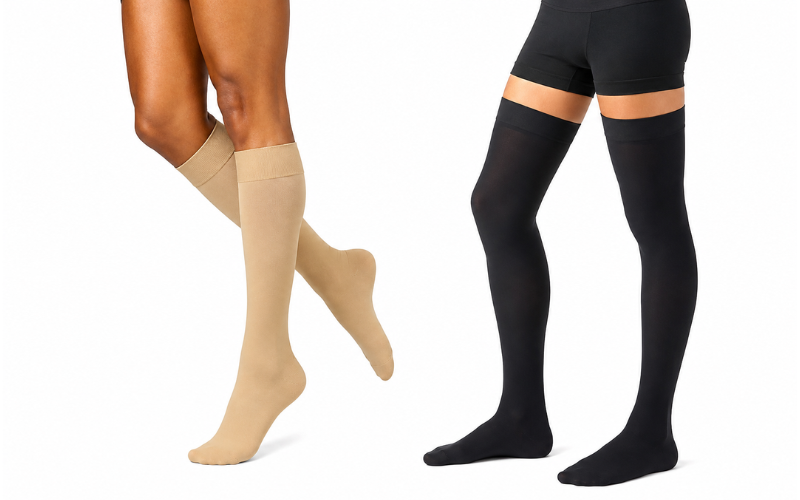
Medical compression stockings used to improve circulation, reduce leg swelling, and support venous insufficiency treatment

Do Compression Socks Help Restless Legs? When They Work and When They Don’t

Compression socks may help restless or uncomfortable legs when symptoms are linked to venous pooling, swelling, varicose veins, or chronic venous insufficiency. They are not a cure for true neurological Restless Legs Syndrome, but they can reduce heaviness, aching, crampy tightness, and night-time discomfort in selected patients. If restless legs come with swelling, visible veins, or ankle skin changes, a vascular assessment may be useful.

Read More »
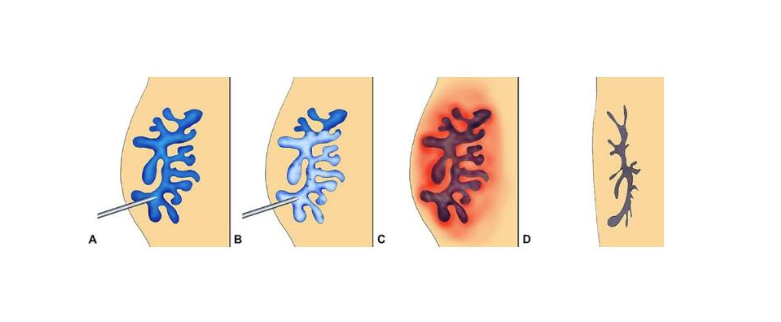
Illustration showing the treatment process and closure of a varicose vein after minimally invasive vein treatment

What Happens to Varicose Veins After Treatment?

After varicose vein treatment, the diseased vein is usually closed, sealed, or removed so blood can
reroute through healthier veins. The treated vein may still be visible or feel firm at first, but over weeks
to months, the body gradually breaks it down. Symptoms such as heaviness, aching, and swelling
often improve earlier than the visible appearance. Full cosmetic results take time, and some patients
may need staged treatment for remaining surface veins or spider veins.

Read More »
Person holding a painful leg affected by varicose veins and potential vein bleeding complications

Can a Varicose Vein Burst? What to Do If It Bleeds

Yes, a varicose vein can burst and bleed, especially when the vein is large, under pressure, and covered by thin or fragile skin. If this happens, lie down, raise the leg, and apply firm direct pressure over the bleeding point with a clean cloth or dressing. Even if the bleeding stops, you should arrange an urgent vascular surgeon review because the underlying venous reflux may still be present, and bleeding can recur.

Read More »
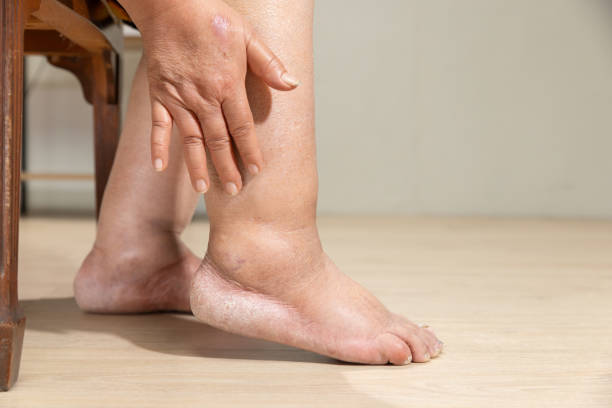
Person touching swollen ankle and lower leg, a common symptom of venous insufficiency or varicose vein disease.

Why Are My Ankles Swollen? Common Causes, Hidden Risks, and When to Worry

Most ankle swelling is related to gravity and fluid pooling- often from prolonged standing/sitting, salty meals, weight gain, pregnancy, or vein-related pooling (chronic venous insufficiency). If swelling is persistent, worsening, associated with ankle skin itch/discolouration, or improves noticeably with leg elevation, venous reflux becomes the most likely culprit. If swelling is sudden and one-sided, painful, red/warm, or you have breathlessness or chest discomfort, seek urgent medical assessment.

Read More »
Leg with visible varicose veins surrounded by healthy foods such as vegetables, fruits, salmon, nuts, and oats on one side, and unhealthy foods including burgers, fries, chips, pizza, sweets, and soft drinks on the other.

Foods You Should and Shouldn’t Eat If You Have Varicose Veins

A vein-friendly diet is usually one that’s high in fibre, rich in fruits and vegetables, lower in salt and ultra-processed foods, and steady on hydration. Done consistently, it can reduce swelling and discomfort. However if you already have venous reflux, you’ll still need proper assessment and (possibly) treatment for lasting relief.

Read More »
Varicose Veins vs. Chronic Venous Insufficiency

Can Varicose Veins Cause Skin Damage?

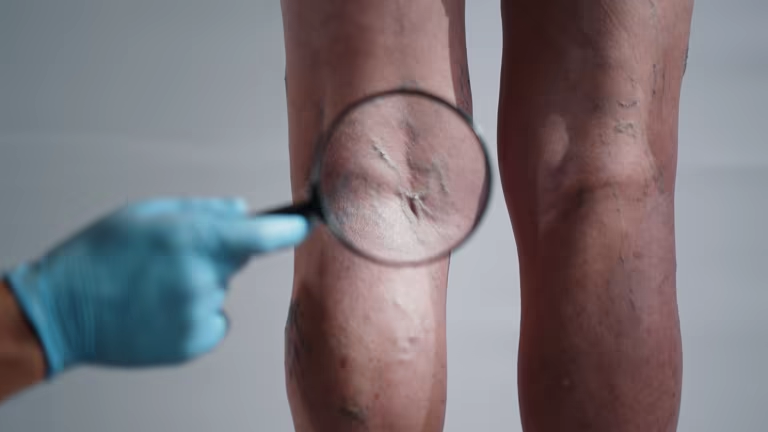
Yes, varicose veins can cause skin damage. The mechanism is long-standing high pressure in the leg veins (chronic venous insufficiency), which triggers inflammation, fluid leakage, pigment staining, and eventually skin hardening or ulcers. Early treatment often improves symptoms and can prevent progression.

Read More »