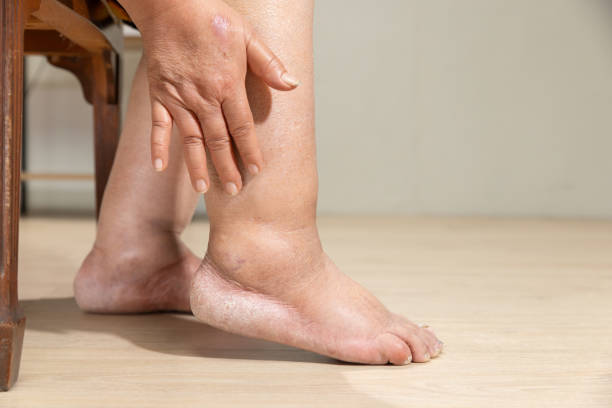


Former U.S. President Donald Trump has been diagnosed with chronic venous insufficiency (CVI), a common but often overlooked vascular condition. The diagnosis, confirmed by his physician and shared publicly by the White House on July 18, 2025, followed reports of mild swelling in his legs.
This recent development shines a spotlight on a condition that affects millions of people globally—often without their awareness. Here’s what you need to know about CVI, its symptoms, causes, and when to seek medical care.
What Is Chronic Venous Insufficiency?
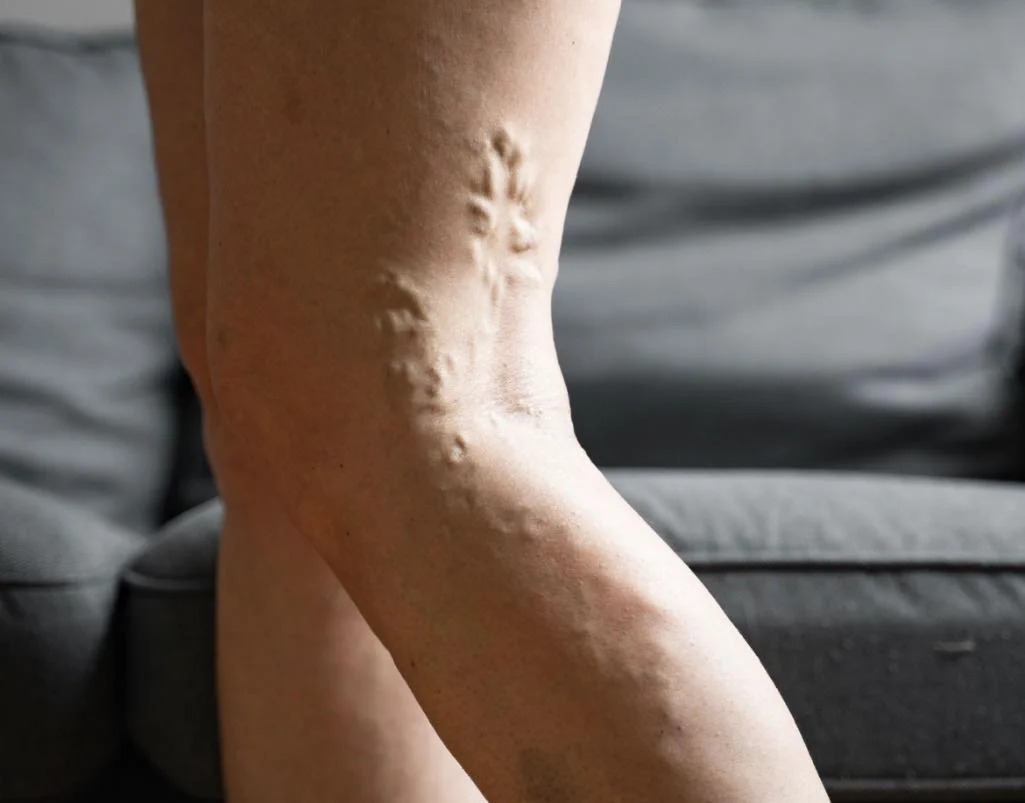
Chronic venous insufficiency (CVI) is a circulatory condition where veins in the legs have trouble returning blood to the heart. This is usually due to damaged or weakened vein valves, leading to backward blood flow (venous reflux). As blood pools in the lower limbs, symptoms like swelling, discomfort, varicose veins, and skin damage may develop over time.
The leg veins rely on properly functioning one-way valves to keep blood flowing upward. When these valves fail, pressure builds, especially in the lower legs, leading to visible and physical symptoms that can worsen without treatment.
Why Did Trump’s Diagnosis Make Headlines?
According to White House Press Secretary Karoline Leavitt, Trump was evaluated after noticing “mild swelling” in his legs. His physician described the condition as benign and common in adults over the age of 70.
While CVI is often non-life-threatening, public attention to Trump’s diagnosis has helped raise awareness of the condition—especially among older adults and individuals with risk factors.
How Common Is CVI?
CVI is more common than many people realize. The Society for Vascular Surgery estimates that up to 40% of the U.S. population may be affected, although this figure could be higher due to underdiagnosis.
Risk factors include:
- Age (especially over 50)
- Obesity
- Pregnancy
- A sedentary lifestyle or prolonged standing
- Family history of vein problems
- Previous blood clots or leg injury
Symptoms of Chronic Venous Insufficiency
CVI symptoms may start subtly but gradually worsen. Common signs include:
- Swelling in the legs or ankles
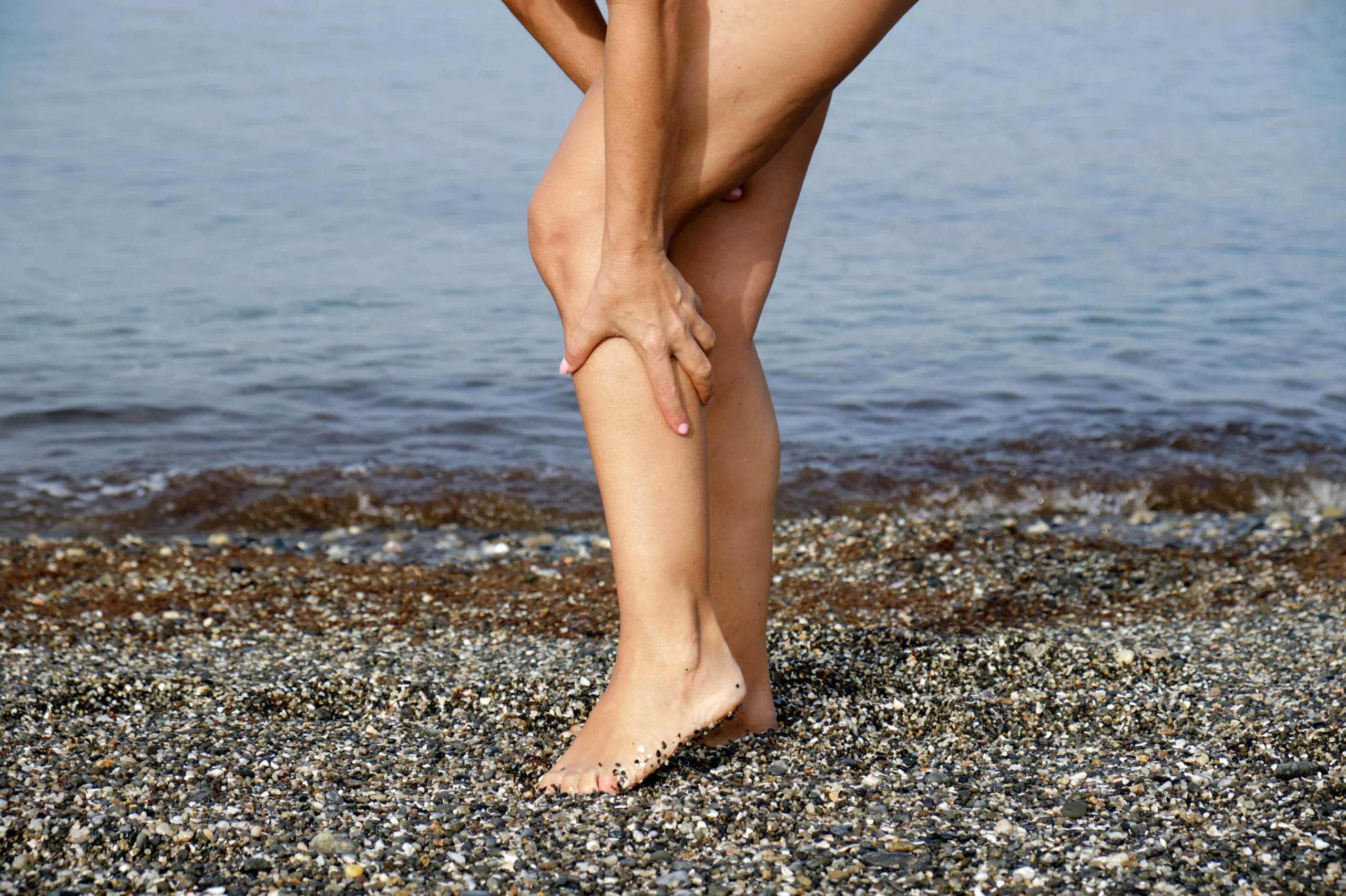
- Tired, heavy, or aching legs
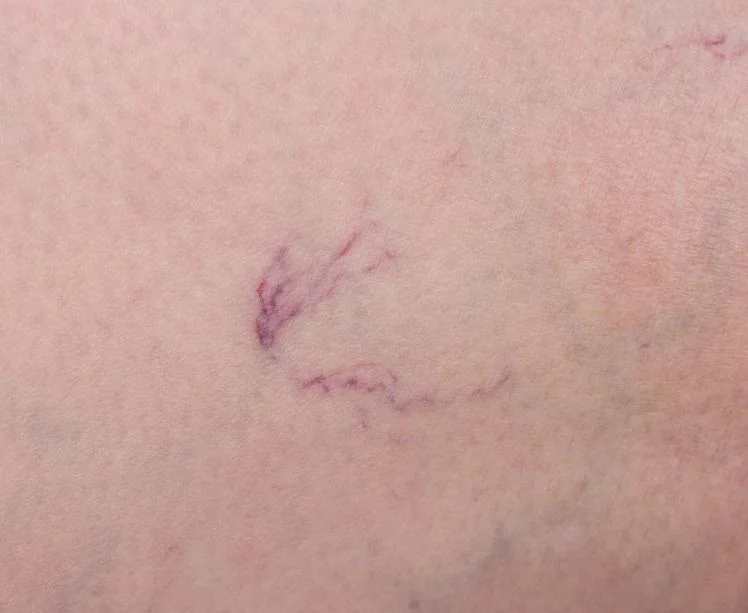
- Visible varicose veins
- Cramps or throbbing sensations
- Itching or dry skin
In more advanced cases, symptoms may also include:
- Skin darkening near the ankles
- Thickened or hardened skin
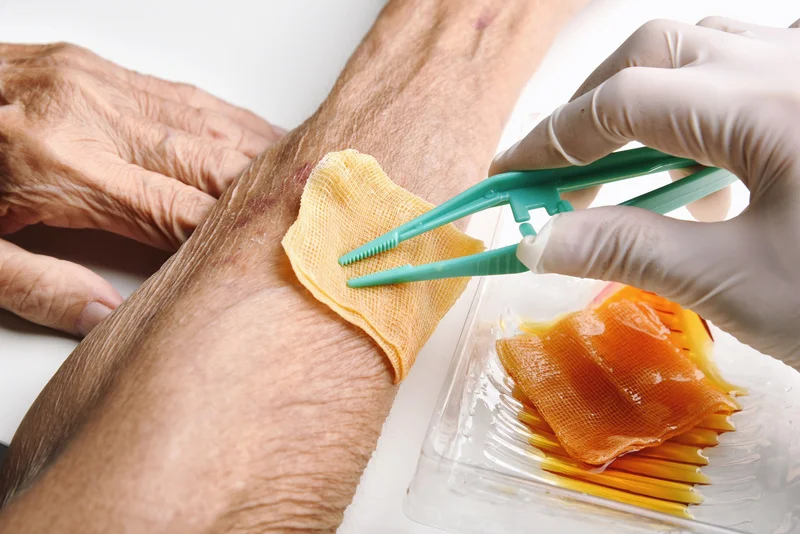
- Open wounds (venous ulcers) that heal slowly
Skin discoloration may occur due to iron deposits from broken-down red blood cells, and over time, the skin becomes more prone to injury and slower to heal.
How Is CVI Diagnosed?
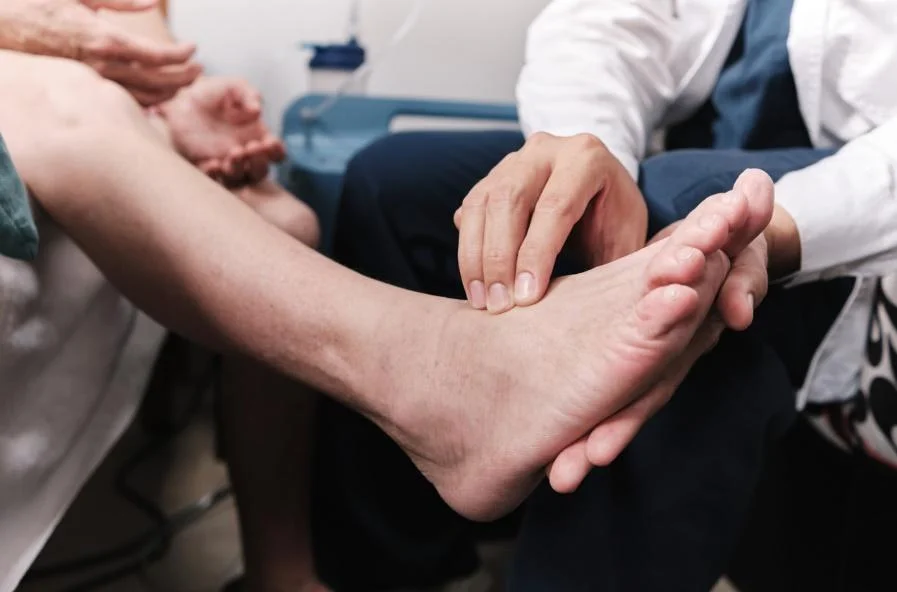
CVI is usually diagnosed with a duplex ultrasound, a noninvasive imaging technique that helps evaluate blood flow and valve function. Physical exams and symptom history are also important for an accurate diagnosis.
Because CVI doesn’t show up on routine health screenings, many people may not realize they have it until symptoms become more noticeable.
Treatment Options for CVI
The goal of treatment is to reduce symptoms, prevent progression, and improve quality of life. Fortunately, many cases of CVI can be managed with nonsurgical approaches.
Conservative treatments include:
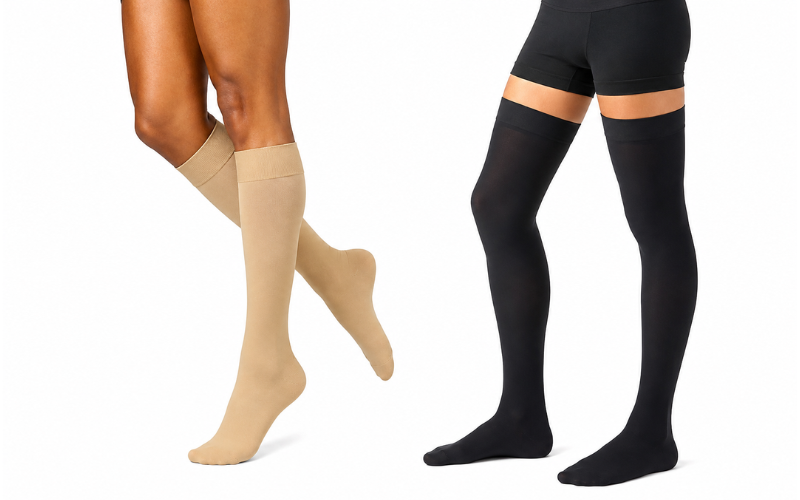
- Compression therapy: Wearing compression stockings to improve blood flow
- Leg elevation: Especially after long periods of standing
- Exercise: Walking helps activate the calf muscle pump to aid circulation.
- Lifestyle changes: Weight loss and smoking cessation may help.
Minimally invasive treatments:
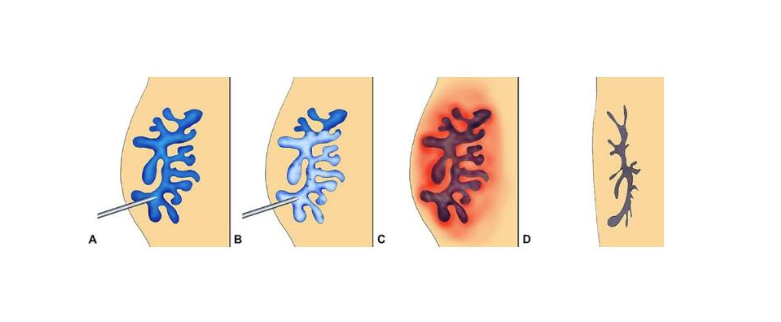
- Radiofrequency ablation (RFA) or laser ablation: To close damaged veins
- Sclerotherapy: Injecting a solution into smaller veins to collapse them
- VenaSeal™ or ClariVein®: Catheter-based systems to seal off veins
Surgical options:
- Phlebectomy: Removal of problematic surface veins
- Angioplasty or stenting: For deeper venous blockages
Dr. Lim emphasizes starting with conservative therapy, then progressing to procedures if symptoms persist or affect quality of life.
Why Exercise Matters
Even with vein damage, walking is one of the most effective daily habits to support circulation. The calf muscles act like a “pump,” helping push blood upward. Standing still for long periods can worsen venous pressure—so regular walking is highly encouraged during recovery and for long-term vein health.
When to See a Vascular Specialist
If you experience the following symptoms, it’s time to seek evaluation:
- Persistent swelling in your legs or ankles
- Visible varicose veins
- Skin discoloration or texture changes
- Leg ulcers or non-healing wounds
Early diagnosis and treatment are key to avoiding long-term complications.
Chronic Venous Insufficiency Care in Singapore
At Dr. Darryl Lim’s vascular clinic in Singapore, we provide comprehensive care for patients experiencing symptoms of CVI. From ultrasound assessments to minimally invasive treatments, our clinic focuses on safe, effective approaches tailored to each individual.
Book a consultation if you:
- Experience swelling, heaviness, or skin changes in your legs
- Have a personal or family history of varicose veins or blood clots
- Need long-term solutions for venous ulcers or CVI

Conclusion
Chronic venous insufficiency is a progressive condition that can significantly impact quality of life if not addressed early. While it is often manageable with conservative treatments such as compression and lifestyle adjustments, some cases may require minimally invasive procedures to restore healthy blood flow. The recent diagnosis of former President Donald Trump has brought increased attention to this common but underdiagnosed condition, highlighting the importance of vascular health—especially in older adults.
If you’re experiencing symptoms such as leg swelling, varicose veins, or skin changes in your lower limbs, don’t ignore them. Early evaluation by a vascular specialist like Dr. Darryl Lim can help prevent complications and provide long-term relief.
Frequently Asked Questions (FAQs)
1. What is chronic venous insufficiency (CVI)?
Chronic venous insufficiency is a condition in which the veins in the legs struggle to return blood to the heart due to damaged or weakened valves. This causes blood to pool in the lower legs, leading to swelling, varicose veins, and skin changes.
2. What are the first signs of chronic venous insufficiency?
Early symptoms often include swelling in the lower legs and ankles, leg fatigue or heaviness, and the appearance of varicose veins. Skin itching or discoloration near the ankles may also occur as the condition progresses.
3. Who is at risk for developing CVI?
Individuals over the age of 50, those who are overweight, pregnant women, people with a history of blood clots or varicose veins, and those who sit or stand for prolonged periods are at higher risk of developing chronic venous insufficiency.
4. How is CVI diagnosed?
CVI is diagnosed using a combination of physical examination and imaging, most commonly duplex ultrasound. This noninvasive test helps assess blood flow and valve function in the leg veins.
5. Can CVI be cured?
While chronic venous insufficiency cannot be completely cured, its symptoms can be effectively managed. Treatments such as compression therapy, lifestyle changes, and minimally invasive procedures can significantly reduce discomfort and prevent complications.
6. What happens if CVI is left untreated?
If left untreated, CVI can lead to more serious complications, including skin thickening, chronic leg pain, non-healing ulcers, and an increased risk of infection. Early diagnosis and treatment are essential to prevent disease progression.
7. When should I see a vascular specialist?
You should consult a vascular specialist if you notice symptoms like persistent leg swelling, varicose veins, skin discoloration, or leg ulcers. Early intervention can improve outcomes and prevent further complications.