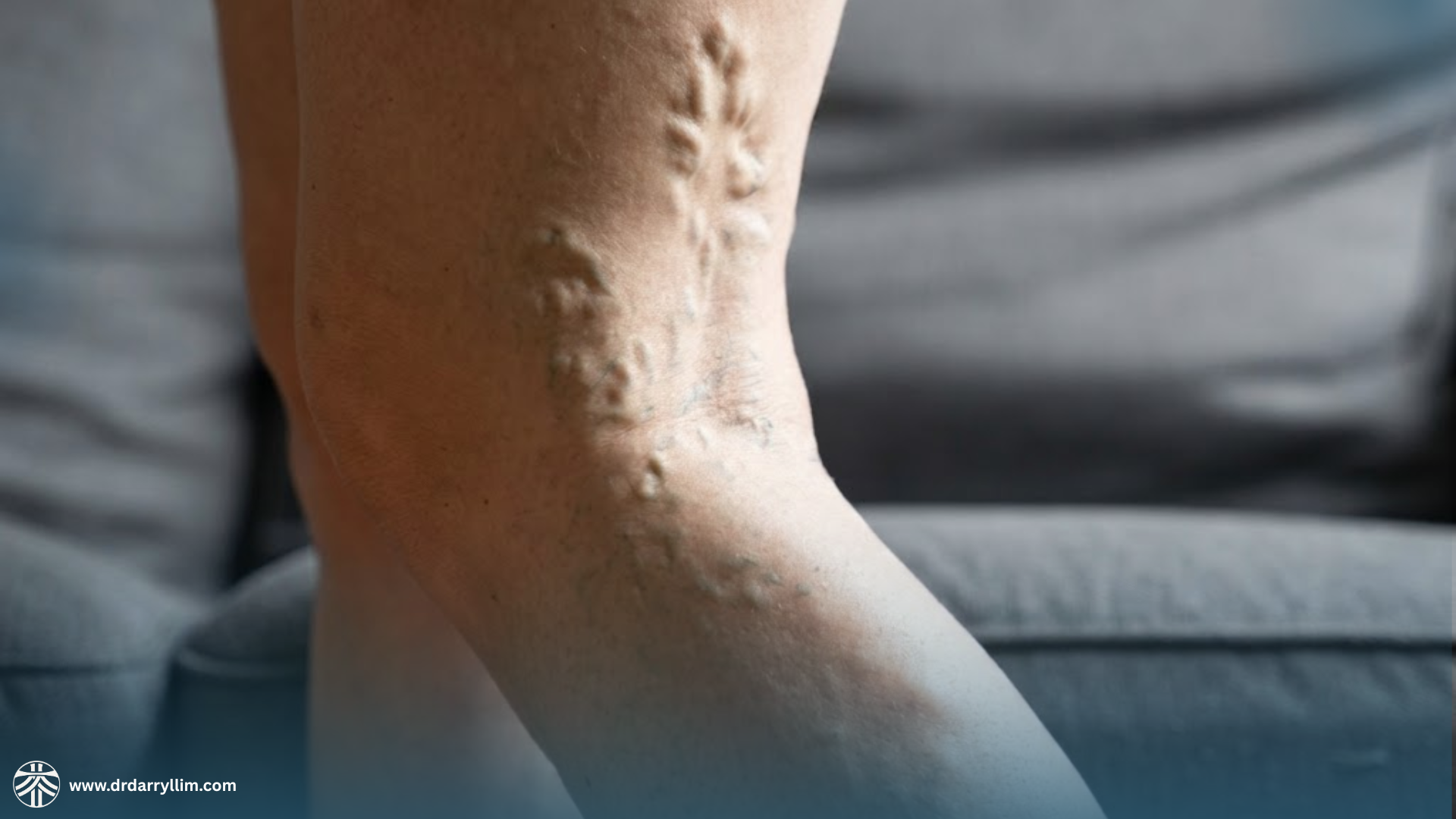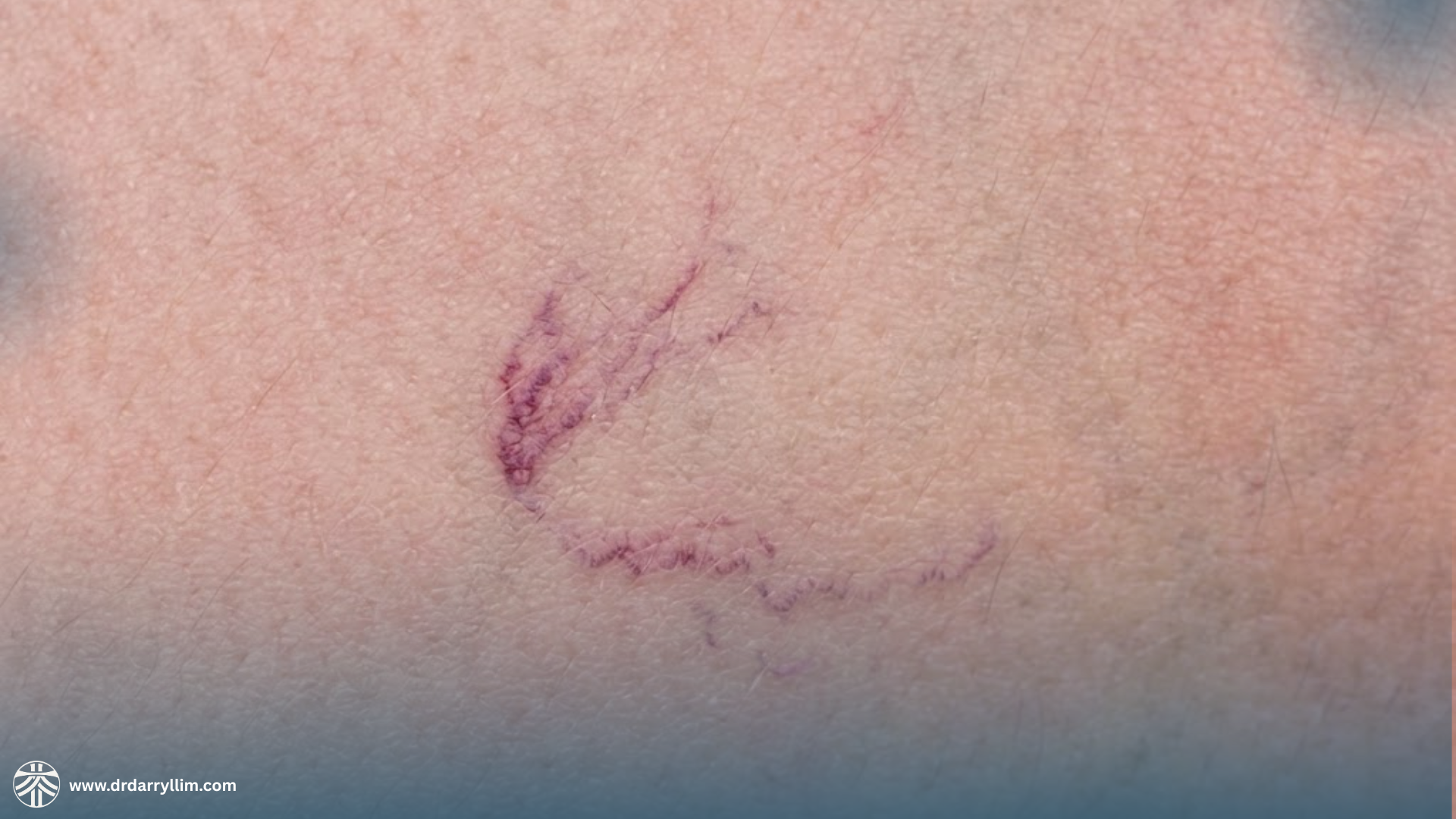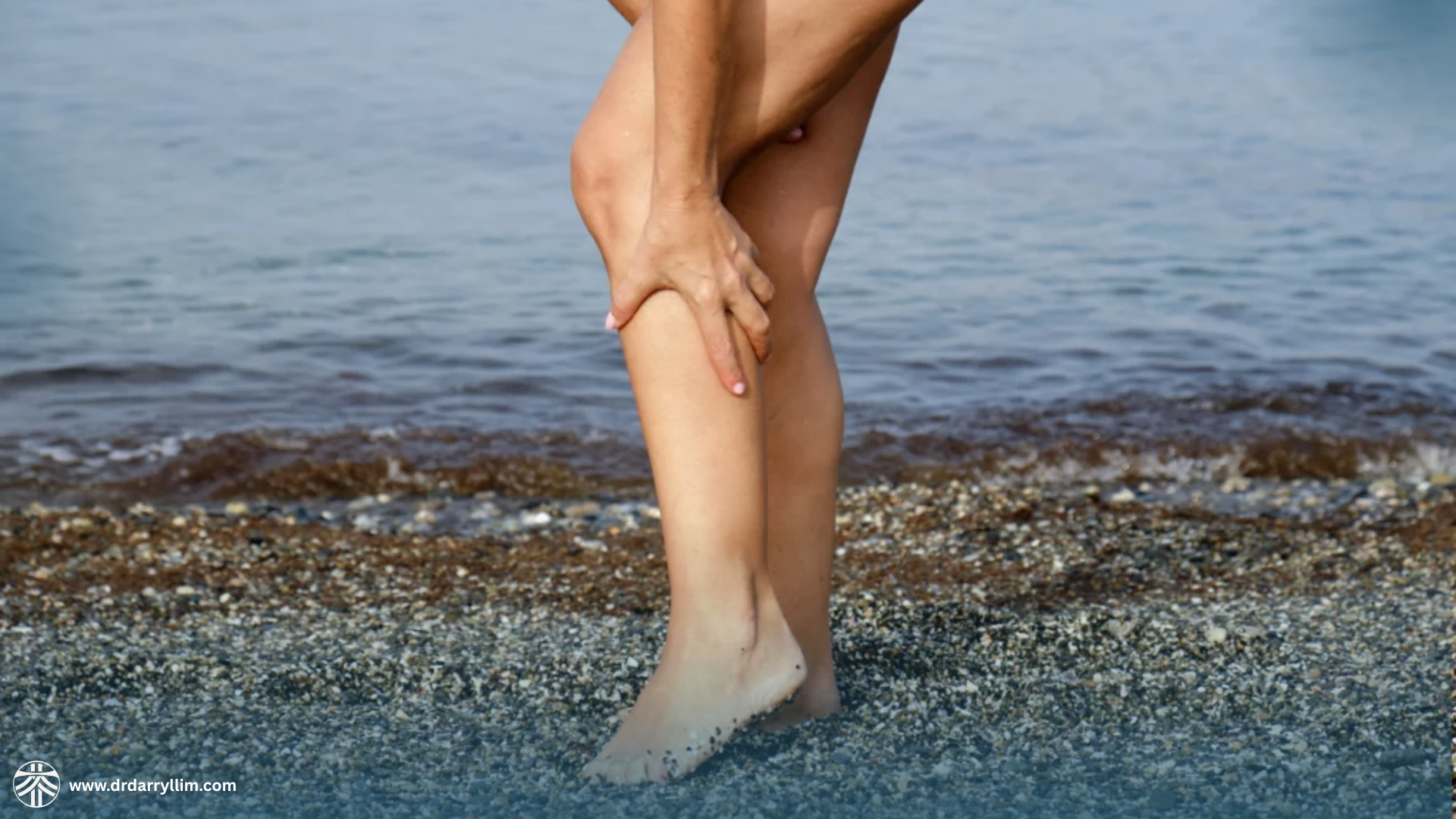

Compression socks – also called compression stockings – are specially designed garments that apply graduated pressure to the legs to support blood flow. They are commonly recommended for varicose veins, chronic venous insufficiency, pregnancy-related leg swelling, and for reducing blood clot risk during long periods of immobility such as flights. Below, you’ll find everything you need to know about compression socks Singapore residents rely on, from how they work to choosing the right fit.
Do Compression Socks Work?
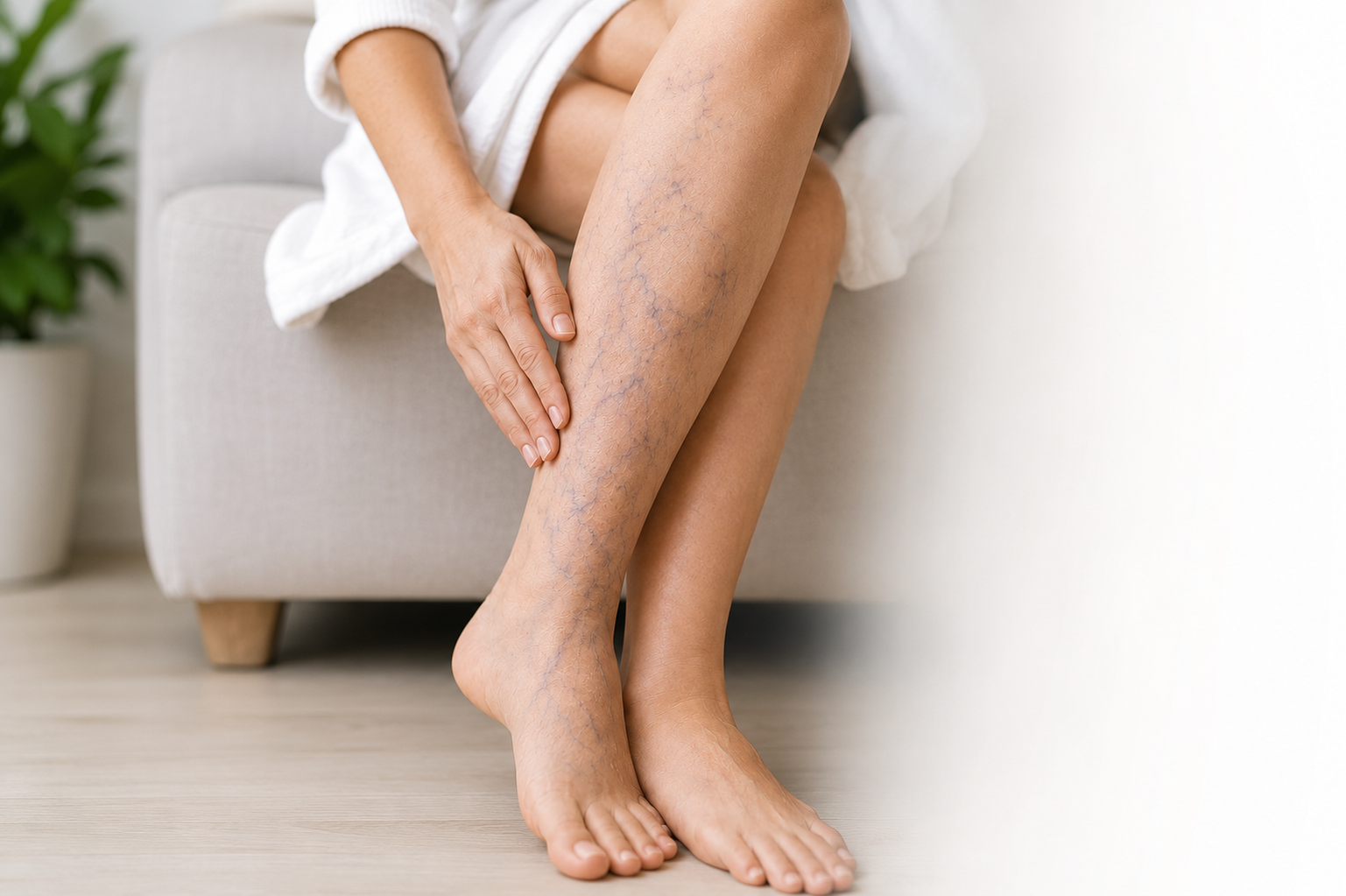
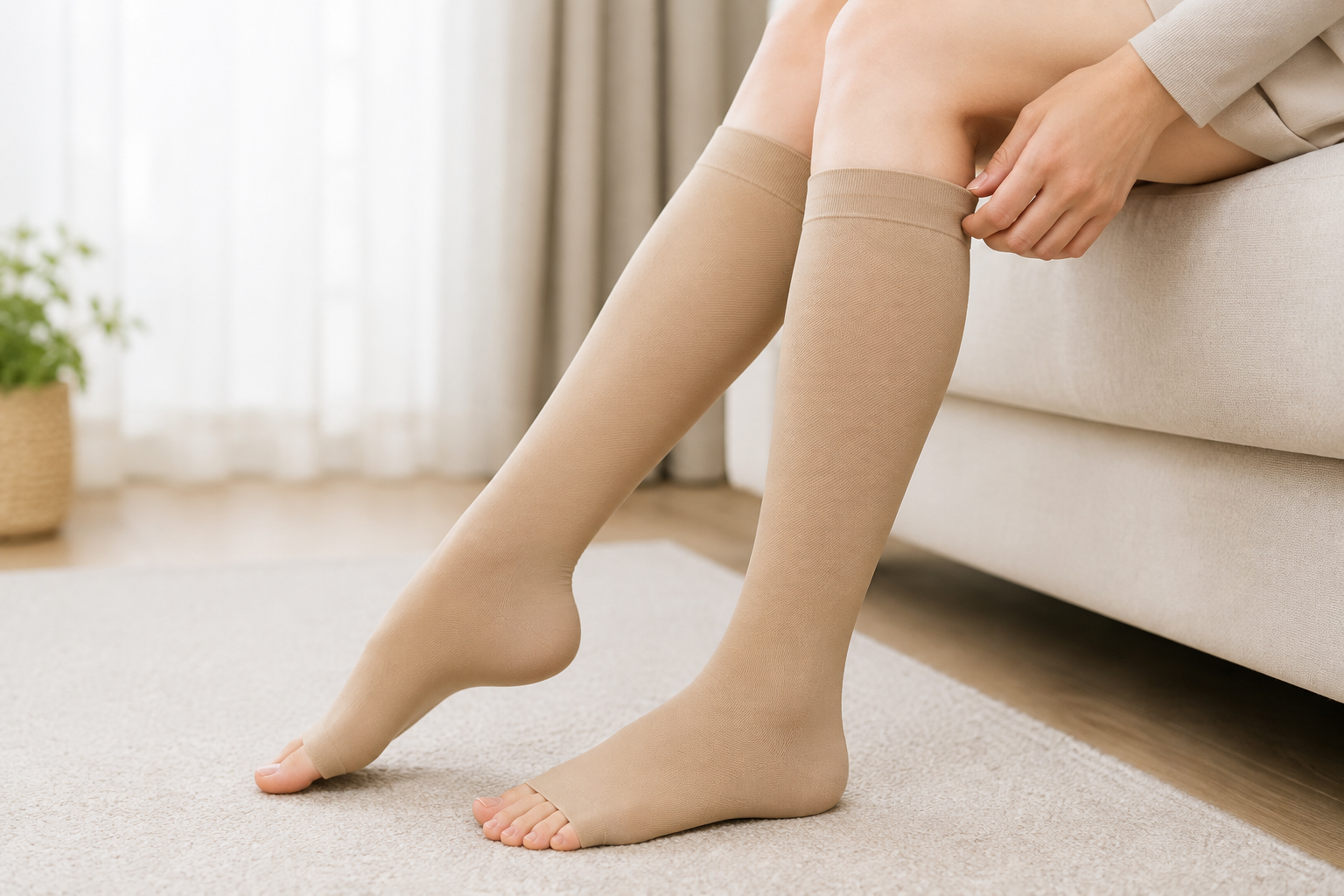
When properly fitted and worn consistently, compression socks support venous return and can reduce symptoms such as aching, swelling and heaviness in the legs. They work by applying the strongest pressure at the ankle, gradually decreasing up the leg, which helps counteract blood pooling in people with varicose veins or venous insufficiency. It’s worth noting that compression alone manages symptoms – it does not repair the underlying damaged vein valves that cause venous reflux.
Benefits of Compression Socks
- Improved blood circulation – reduces blood pooling in the legs and supports long-term vein health.
- Support during travel – commonly recommended for long-haul flights or long periods of immobility to reduce the risk of deep vein thrombosis (DVT).
- Symptom relief – may reduce swelling, aching, and the heavy-leg feeling common with venous insufficiency.
- Support during pregnancy – many women find compression socks helpful for pregnancy-related leg swelling.
Compression Socks During Pregnancy
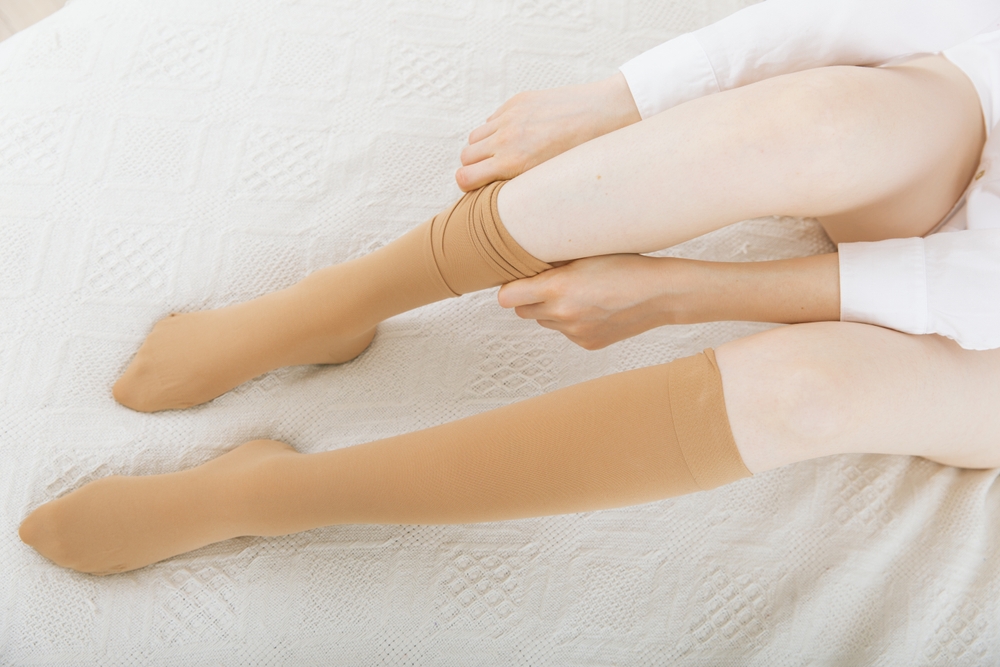
Pregnancy increases pressure on the leg veins as blood volume rises and the growing uterus places pressure on pelvic veins, which can contribute to swelling and, in some cases, varicose veins or pelvic congestion syndrome. Many women find compression socks helpful for reducing pregnancy-related leg swelling and discomfort. Check with your obstetrician or a vascular specialist on the class appropriate for your stage of pregnancy.
Compression Socks for Travel and Long Flights
Sitting for long periods, such as during flights, increases the risk of blood pooling and, in some cases, deep vein thrombosis (DVT). Below-knee compression socks (typically Class I) are commonly recommended for long-haul travel, particularly for those with additional risk factors such as a prior DVT, recent surgery, or existing varicose veins.
Understanding the Different Classes
| Class | Pressure | Common Use Case |
|---|---|---|
| Class I | 15-20 mmHg | Mild varicose veins, slight swelling, DVT prevention |
| Class II | 20-30 mmHg | Moderate varicose veins, mild-to-moderate oedema, post-surgical support |
| Class III | 30-40 mmHg | Severe varicose veins, significant swelling, managing venous ulcers |
Choosing the Right Type and Getting the Right Fit
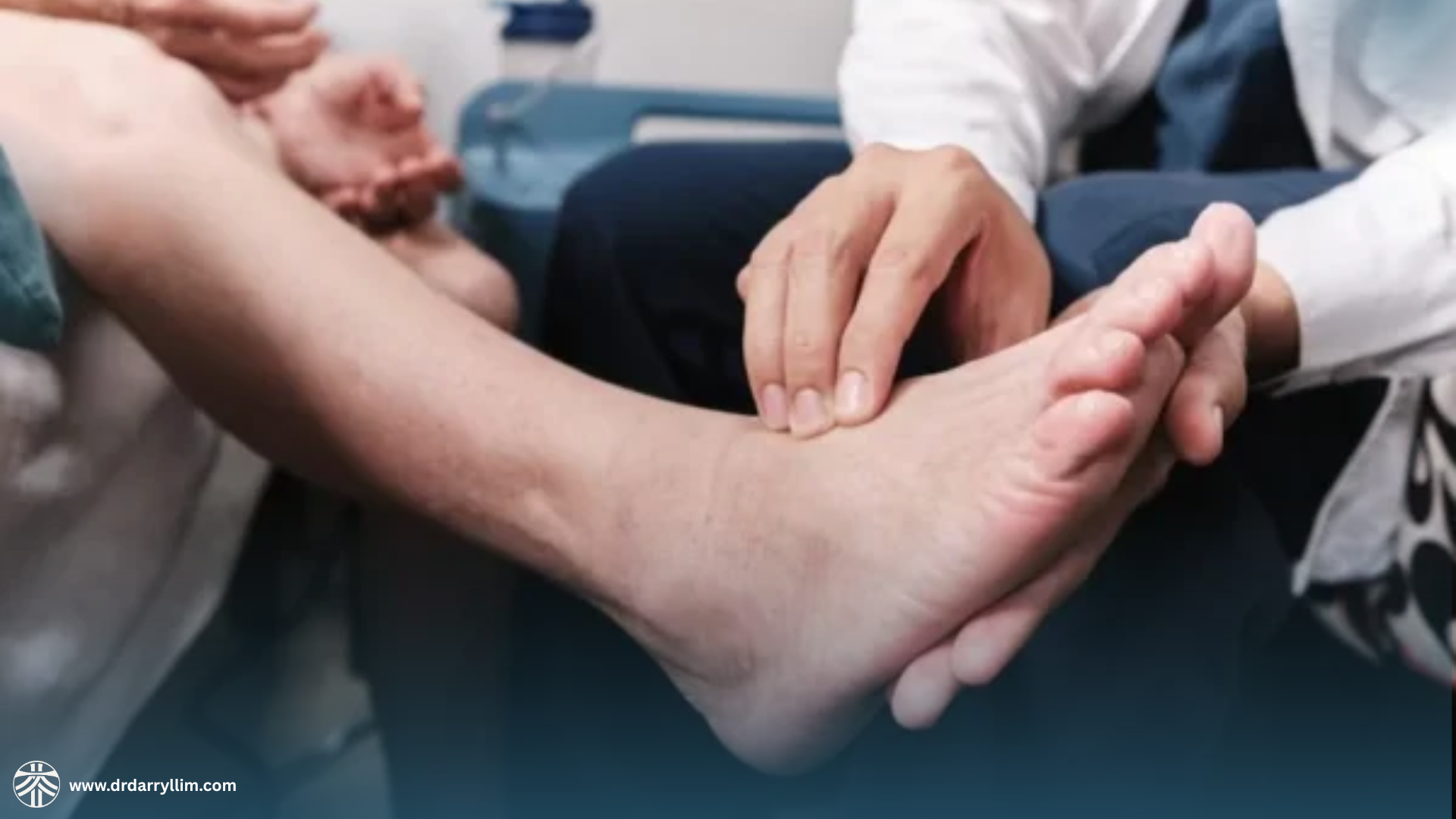
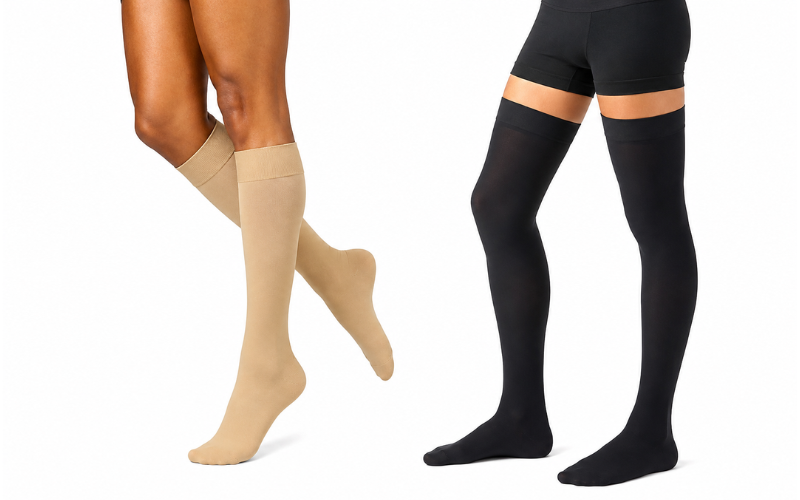
Knee-length socks suit lower-leg varicose veins and swelling; thigh-length and pantyhose styles provide fuller coverage for more extensive symptoms. Accurate ankle, calf and (if applicable) thigh measurements are essential – an ill-fitting stocking, whether too tight or too loose, reduces effectiveness and comfort. If unsure, consult a healthcare provider or compression-wear specialist.
Safety and Prescription Considerations
For compression above 20 mmHg, a prescription and clinical assessment is recommended. A check of arterial circulation is important beforehand, since undiagnosed peripheral vascular disease (PAD) can be a contraindication to higher-compression stockings.
Usage, Maintenance and Putting Them On
Compression socks are most effective worn during the day, especially while standing, walking or sitting for long periods, and removed at night. Replace them roughly every six months as elastic fibres weaken, and wash regularly per the manufacturer’s instructions. Donning aids such as stocking applicators or rubber gloves can help those with limited mobility or grip strength.

Frequently Asked Questions
Q: Do compression socks work?
A: Yes, for many people – when properly fitted and worn consistently, they support blood flow and can reduce swelling, aching and heaviness. They manage symptoms rather than curing the underlying vein condition.
Q: How long should you wear compression socks each day?
A: Most people wear them during waking hours, especially when standing, walking, or sitting for long periods, and remove them at night unless a doctor advises otherwise.
Q: Can you sleep in compression socks?
A: Generally, compression socks are meant to be worn during the day and removed at night, unless specifically prescribed otherwise by your doctor for a particular condition.
Q: Can compression socks be too tight?
A: Yes. Ill-fitting stockings that are too tight can restrict circulation and cause discomfort or skin irritation – proper measurement and fitting are important, particularly for compression above 20 mmHg.
Q: Where can I buy compression socks in Singapore?
A: In Singapore, compression socks are available at pharmacies, medical supply stores, and some sports or orthopaedic retailers. For medical-grade Class II or III compression, proper measurement and fitting matters, as an ill-fitting stocking can be uncomfortable or reduce its effectiveness. Your vascular specialist’s clinic can arrange fitting and advise on the right class, material and length for your condition.
Q: What size or class of compression socks do I need?
A: This depends on your condition, symptoms, and accurate leg measurements. A healthcare provider can recommend the appropriate class, especially for compression levels above 20 mmHg which require a prescription.
Q: How do compression socks work?
A: They apply graduated pressure, tighter at the ankle and gradually looser up the leg, which helps push blood back toward the heart and reduces pooling, swelling, and the feeling of heavy or tired legs.
Q: Can you wash compression socks?
A: Yes, most can be hand-washed or machine-washed on a gentle cycle in cool water and air-dried. Avoid fabric softeners, bleach, and high heat, as these can break down the elastic fibres and reduce compression over time.
Q: How do you stop compression socks from itching?
A: Itching is often caused by dry skin, an incorrect size, or fabric sensitivity. Moisturising before wearing them (once fully absorbed), checking the fit, or switching material can help. See a doctor if irritation persists, as this could indicate an allergy or skin condition.