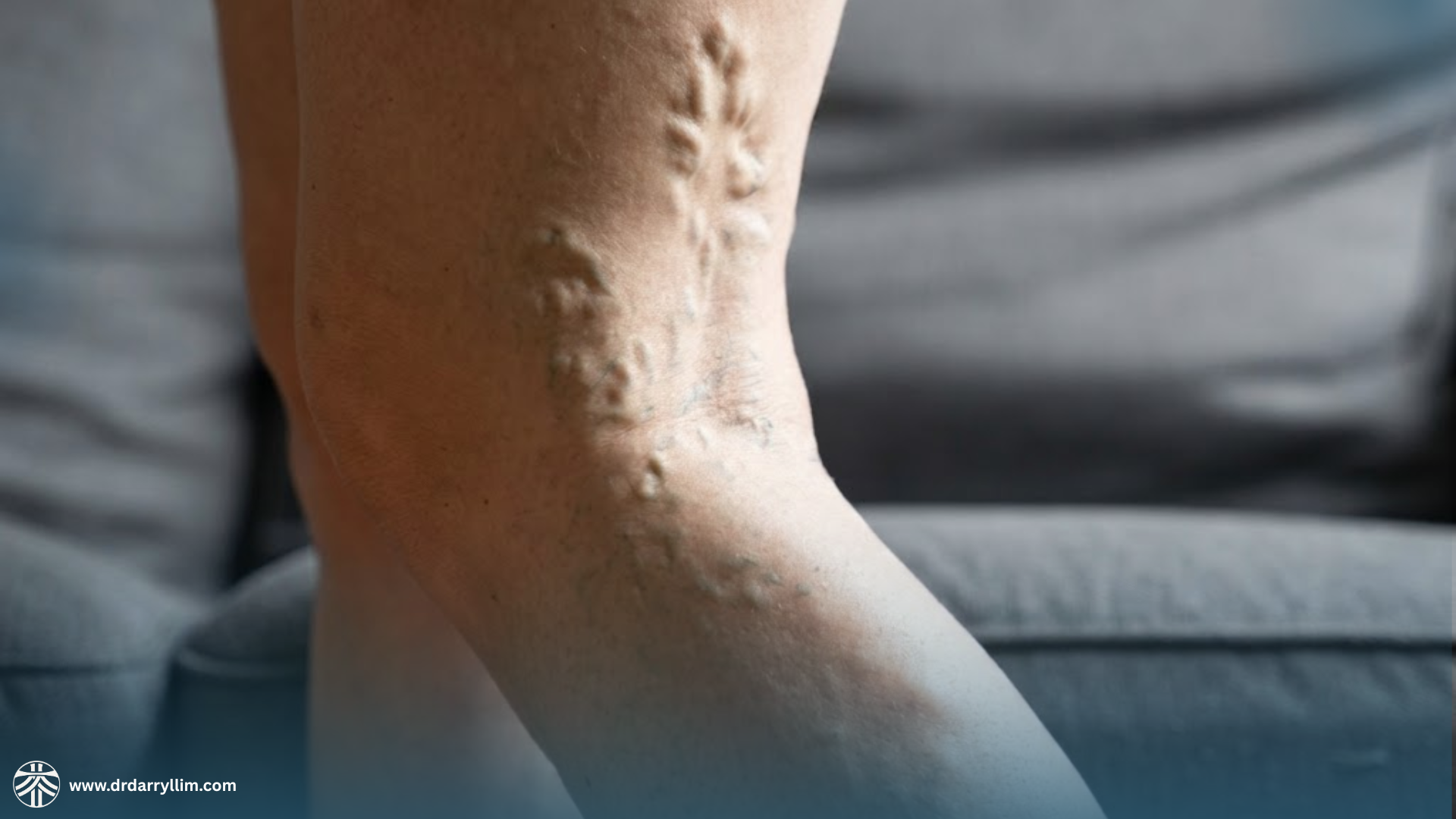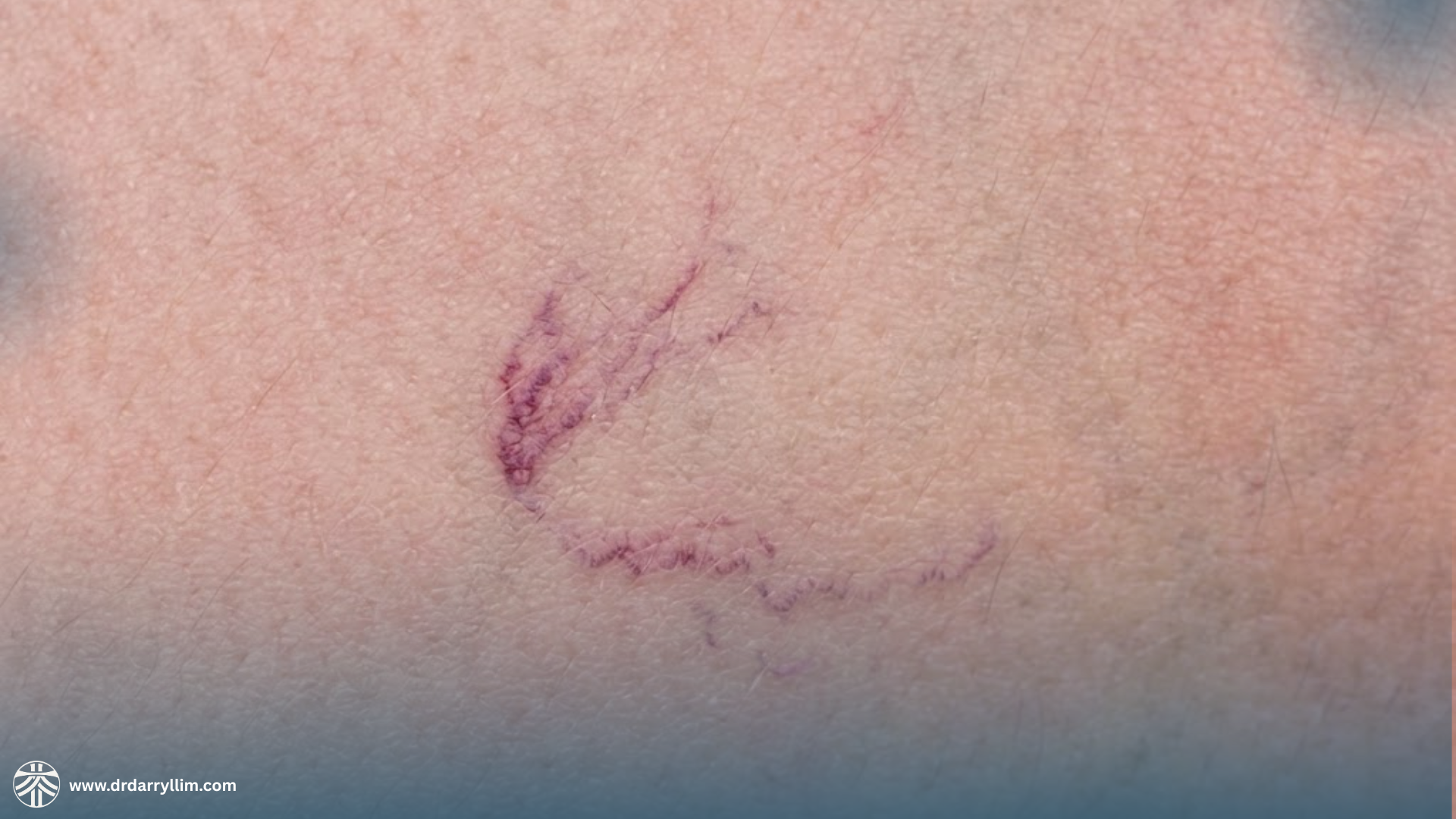
Varicose veins are enlarged, twisted veins that most often appear on the legs, caused by faulty vein valves that allow blood to pool instead of flowing back to the heart. Not every case needs treatment, but when varicose veins cause aching, swelling, skin changes or complications, several minimally invasive treatment options are available in Singapore. This guide explains how varicose veins treatment works, what to expect, and how a vascular surgeon decides which option may be appropriate for you.
Symptoms of Varicose Veins
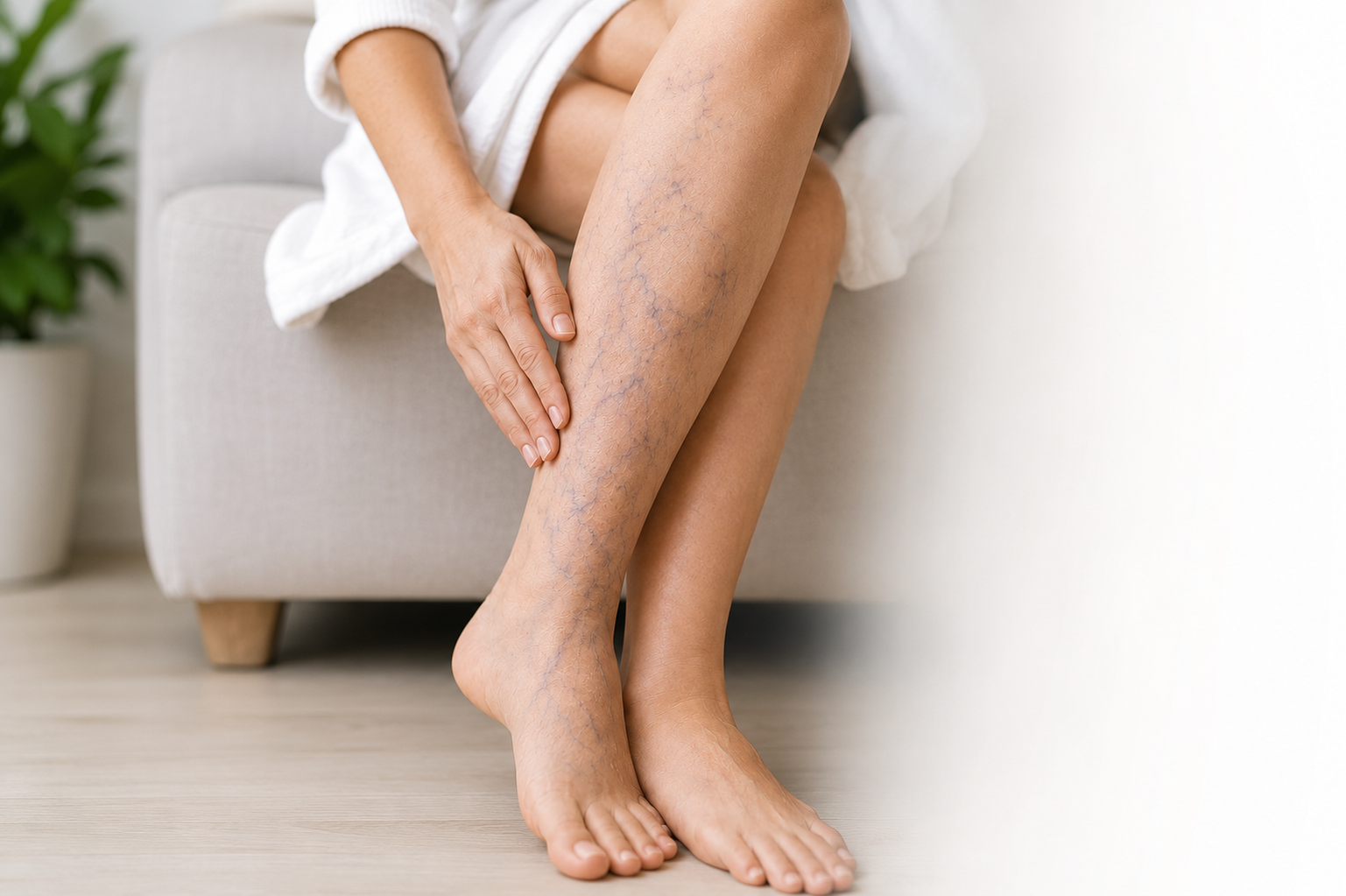
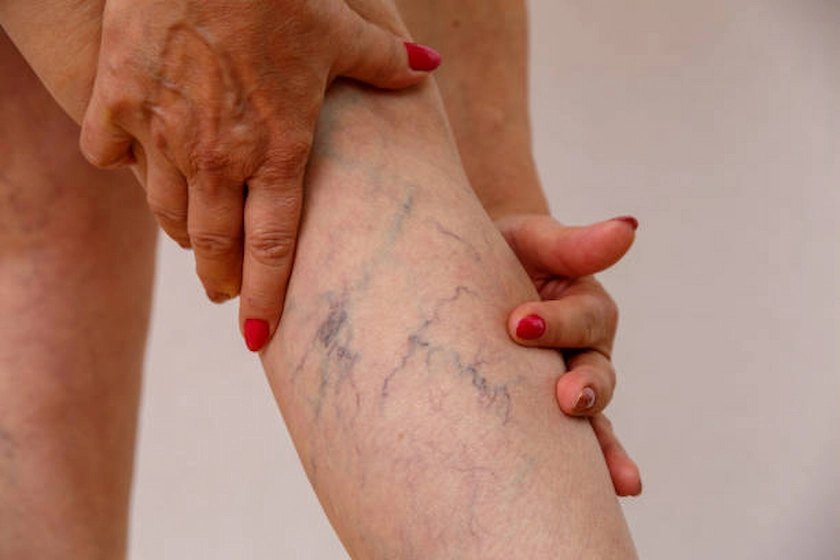
Varicose veins symptoms often develop gradually rather than appearing all at once, and they tend to worsen as the underlying venous reflux progresses. Common signs include:
- Bulging, rope-like veins that are visible just under the skin
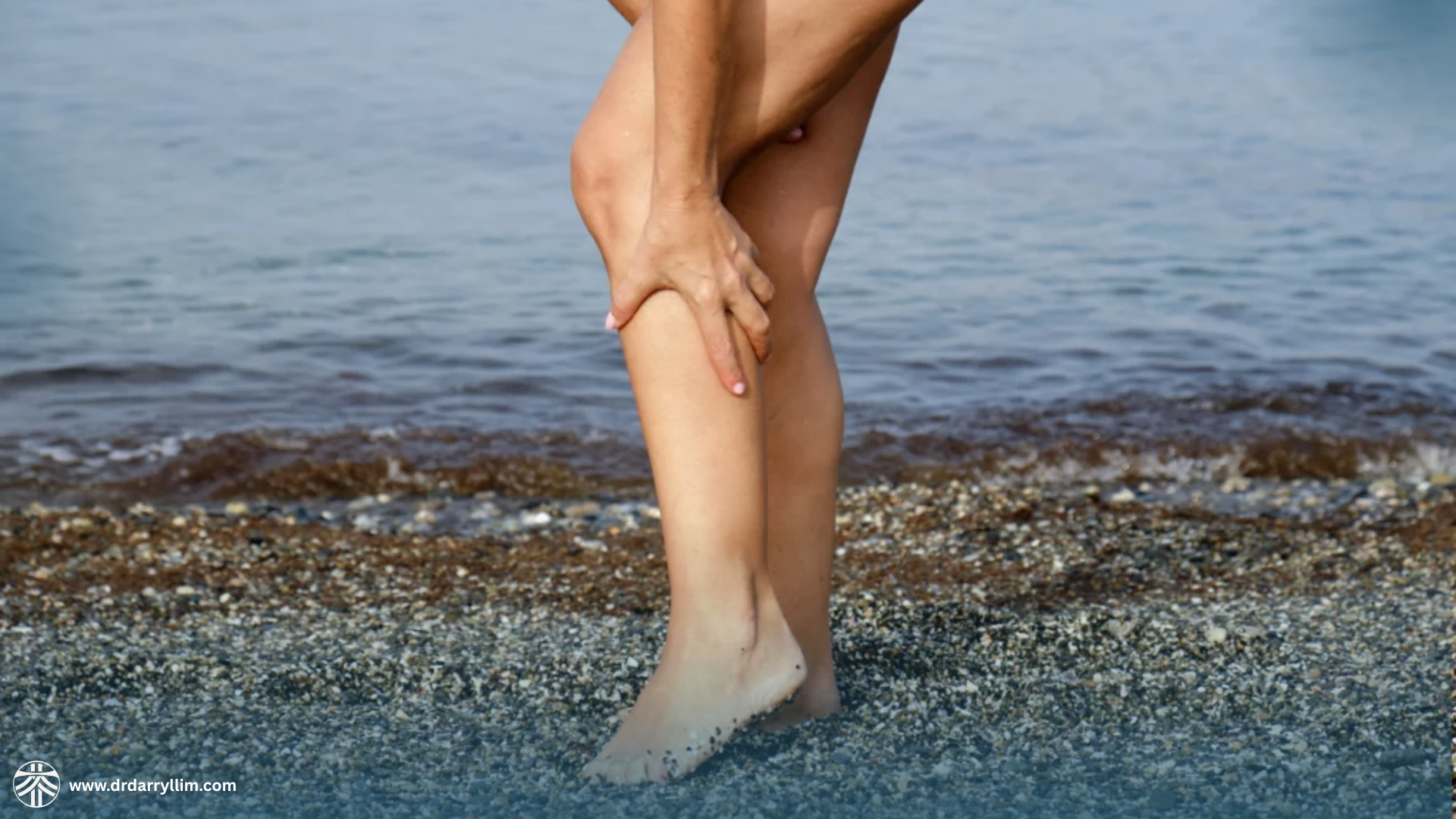
- Heaviness, aching or fatigue in the legs, especially after standing for long periods
- Swelling around the ankles and lower legs
- Itching or skin irritation over the affected veins
- Muscle cramps in the legs, particularly at night
- Skin discolouration, hardening or, in advanced cases, venous ulcers
Left untreated, varicose veins can progress in severity over time, from mild cosmetic changes in the early stages to skin thickening, discolouration and, eventually, non-healing wounds in more advanced disease. Getting an early assessment allows treatment to be tailored before complications such as bleeding, phlebitis or ulceration develop.
Who Is At Risk of Varicose Veins?
Several factors can increase the likelihood of developing varicose veins, including:
- Family history: A genetic predisposition means you are more likely to develop varicose veins if a close relative has them.
- Age: Vein valves naturally weaken over time, making varicose veins more common with age.
- Gender and hormones: Women are more prone to varicose veins due to hormonal changes during menstruation, pregnancy, menopause or with hormonal contraception.
- Pregnancy: Increased blood volume and pressure on the leg veins during pregnancy can trigger or worsen varicose veins.
- Obesity: Excess body weight places additional pressure on the veins in the legs.
- Prolonged standing or sitting: Occupations that involve long periods in one position can impair circulation and increase venous pressure.
If you recognise several of these risk factors alongside any of the symptoms above, it is worth arranging a consultation and duplex ultrasound assessment to determine whether varicose vein treatment is appropriate for your case.
Do You Need Varicose Veins Treatment?
Not all varicose veins require treatment. Mild, stable varicose veins without symptoms, swelling, skin changes or complications can often be monitored rather than treated (see: Do Varicose Veins Always Need Treatment?). Treatment is usually considered when there is persistent aching, heaviness, swelling, night cramps, itching, skin changes, thrombophlebitis, bleeding, or venous ulcers – especially when a duplex ultrasound shows significant reflux that matches your symptoms.
How Varicose Veins Are Diagnosed
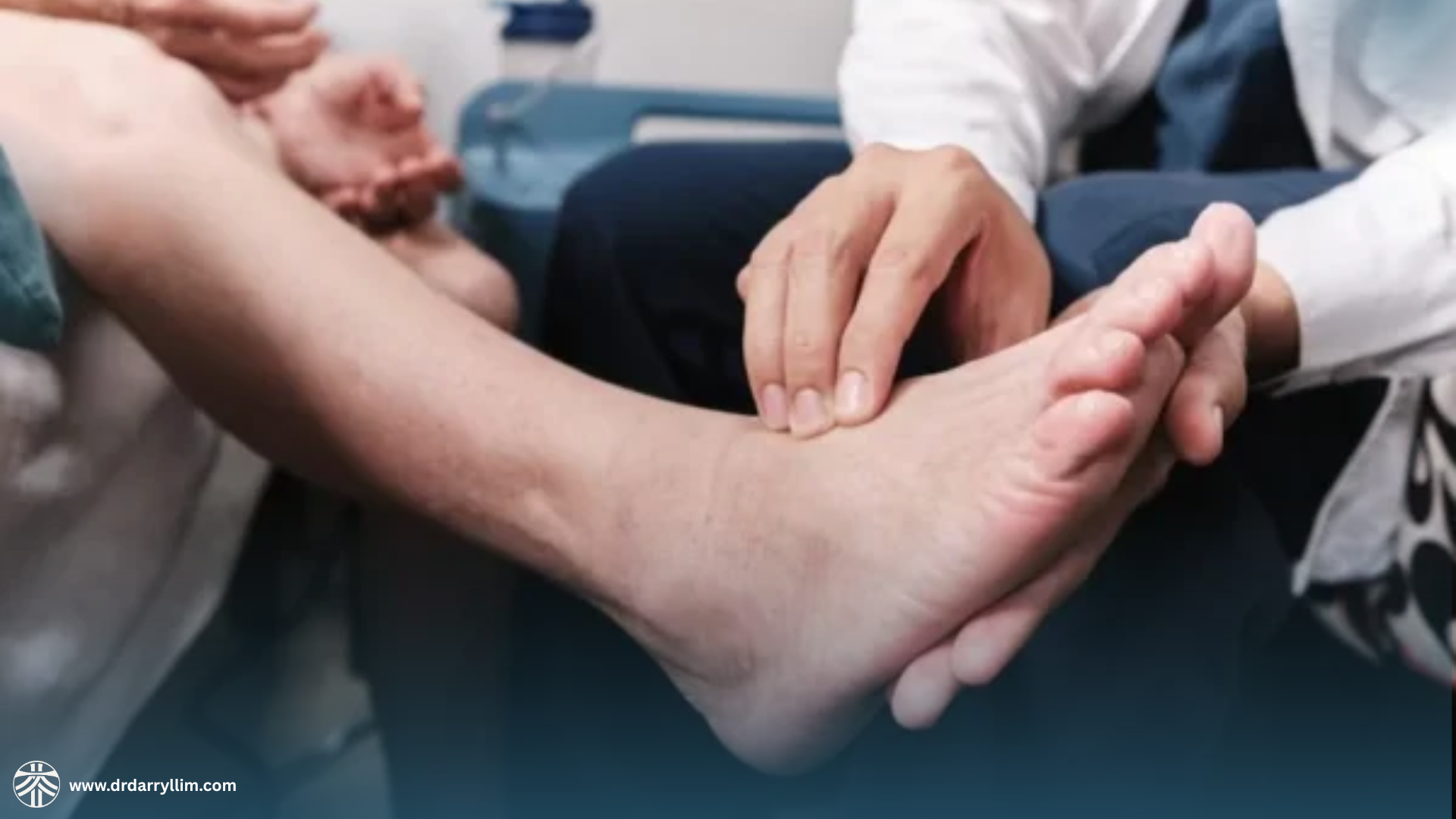
Assessment typically starts with a clinical history and examination, followed by a duplex ultrasound, which maps how blood flows through the veins and identifies exactly where the faulty valves are. This scan is essential for treatment planning and is usually performed in-clinic.
Varicose Veins Treatment Options in Singapore
Several minimally invasive techniques are available. The right option depends on vein size and location, how much reflux is present, skin condition, and patient preference, your vascular surgeon will typically discuss this with you after reviewing your duplex ultrasound findings. Taking the time to find an experienced varicose vein specialist can help ensure you receive the most appropriate treatment plan for your condition.
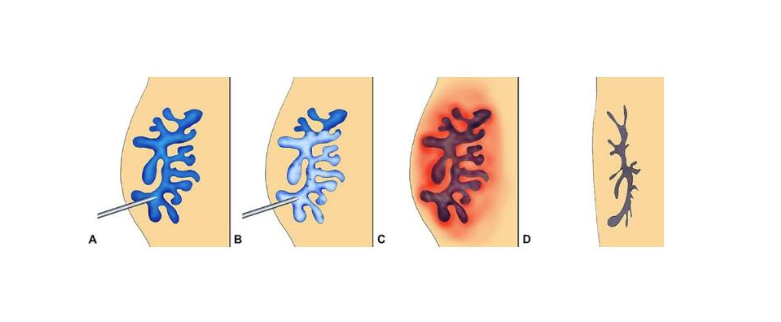
- Endovenous Radiofrequency Ablation (RFA), a thin catheter is inserted into the vein under ultrasound guidance; radiofrequency energy heats and seals the vein, redirecting blood flow to healthier veins. It is minimally invasive with a short recovery, typically done as an outpatient procedure.
- ClariVein (Mechanochemical Ablation, MOCA), a rotating catheter combined with a sclerosant solution collapses and seals the vein without heat, which may reduce the risk of thermal nerve injury. It is often used for veins below the knee.
- VenaSeal (Medical Adhesive Closure), a medical adhesive seals the vein, which the body gradually absorbs over time. It does not require compression stockings afterward in most cases.
- Ultrasound-Guided Foam Sclerotherapy, a foam sclerosant is injected into the vein under ultrasound guidance, causing it to close and gradually fade. It is typically used for smaller veins.
- Ambulatory Phlebectomy (Mini Phlebectomies), small incisions remove bulging surface veins, often performed at the same time as the main reflux procedure.
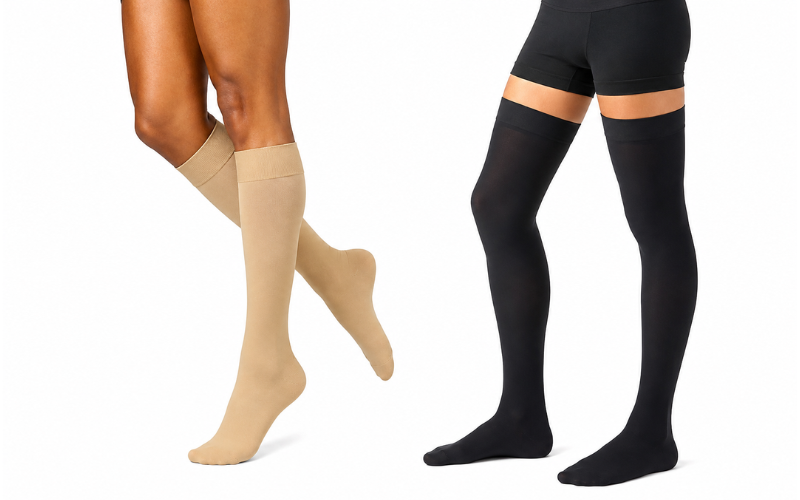
- Compression Therapy, compression stockings support blood flow and reduce symptoms, and are commonly used for 1-2 weeks after a procedure. Compression alone does not correct the underlying venous reflux.
What to Expect: Procedure and Recovery
Most varicose vein procedures today are outpatient, performed under local anaesthesia with sedation options, and allow same-day discharge. Recovery generally involves wearing compression stockings for a defined period, walking regularly to support circulation, and avoiding prolonged standing or heavy lifting for the first 1-2 weeks. Your surgeon will advise on a schedule specific to the procedure performed. For guidance on what not to do during recovery, see our guide on what not to do after vein surgery.
Lifestyle Measures That Support Vein Health
Regular exercise, maintaining a healthy weight, and avoiding prolonged standing or sitting can help manage symptoms and support recovery, though lifestyle measures alone do not reverse existing venous reflux.
Risks and Considerations
As with any medical procedure, potential risks include infection at the treatment site, rare nerve irritation, recurrence of varicose veins over time, and allergic reactions to sclerosants or adhesives. Your vascular surgeon will discuss the specific risks relevant to your chosen procedure before treatment.
Cost of Varicose Veins Treatment in Singapore
Cost varies depending on the treatment technique used, the number of veins treated, and whether the procedure qualifies for MediSave. For a detailed breakdown, see our guides: How Much Does Varicose Vein Treatment Cost in Singapore? and Does MediSave Cover Varicose Vein Treatment?
You can also view our full pricing and treatment options for varicose veins in Singapore.
Frequently Asked Questions
Q: Do varicose veins always need treatment?
A: No. Mild, symptom-free varicose veins can often be monitored. Treatment is usually considered when there is persistent aching, swelling, skin changes, or when duplex ultrasound confirms significant reflux matching your symptoms.
Q: How much does varicose vein treatment cost in Singapore?
A: Cost depends on the procedure, number of veins treated, and MediSave eligibility. See our full cost guide for a detailed breakdown.
Q: Does MediSave cover varicose vein treatment?
A: MediSave may be used when treatment is medically indicated and performed as an approved procedure. Purely cosmetic treatment is generally not claimable – see our MediSave guide for details.
Q: Is varicose vein treatment covered by insurance?
A: Coverage depends on your specific Integrated Shield Plan or insurance policy and whether treatment is deemed medically necessary. Check directly with your insurer before your procedure.
Q: What is the recovery time after varicose vein treatment?
A: Most patients resume normal light activity within a few days and are advised to avoid heavy lifting or prolonged standing for 1-2 weeks. Full recovery timelines vary by procedure and individual healing.
Q: Can varicose veins come back after treatment?
A: Recurrence is possible over time, as new veins can develop reflux even after successful treatment of the original vein. Regular follow-up helps catch and manage recurrence early.