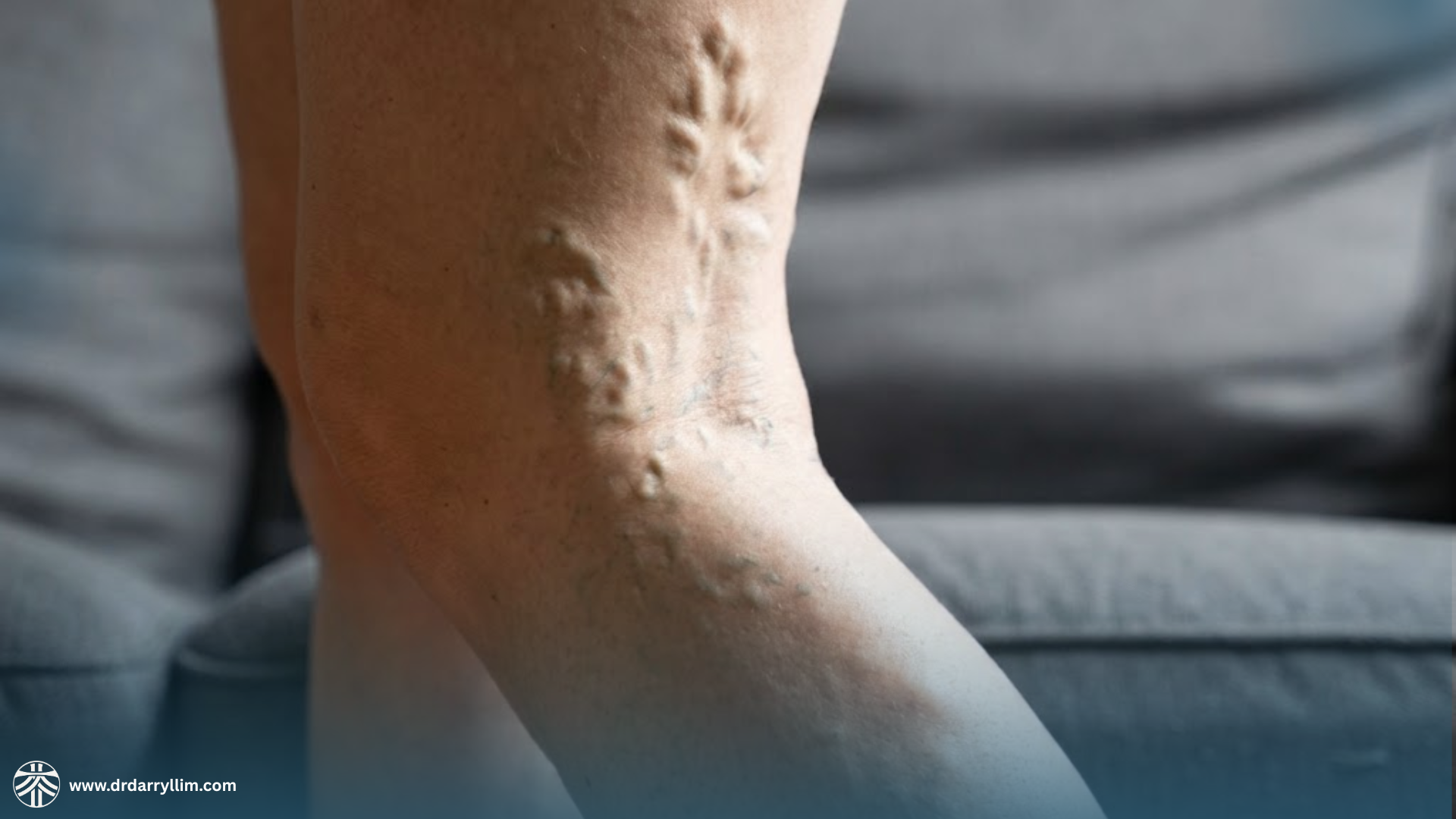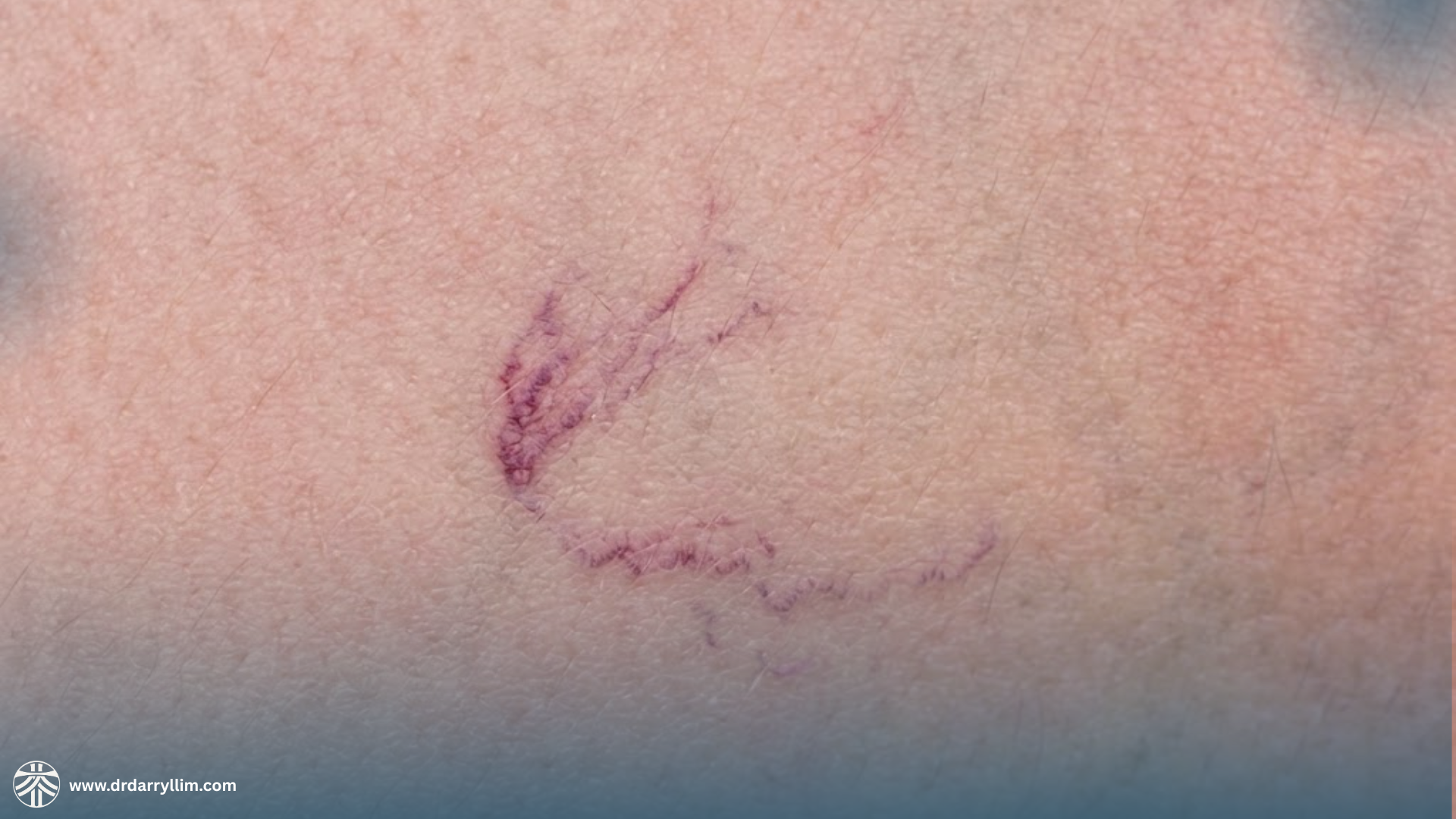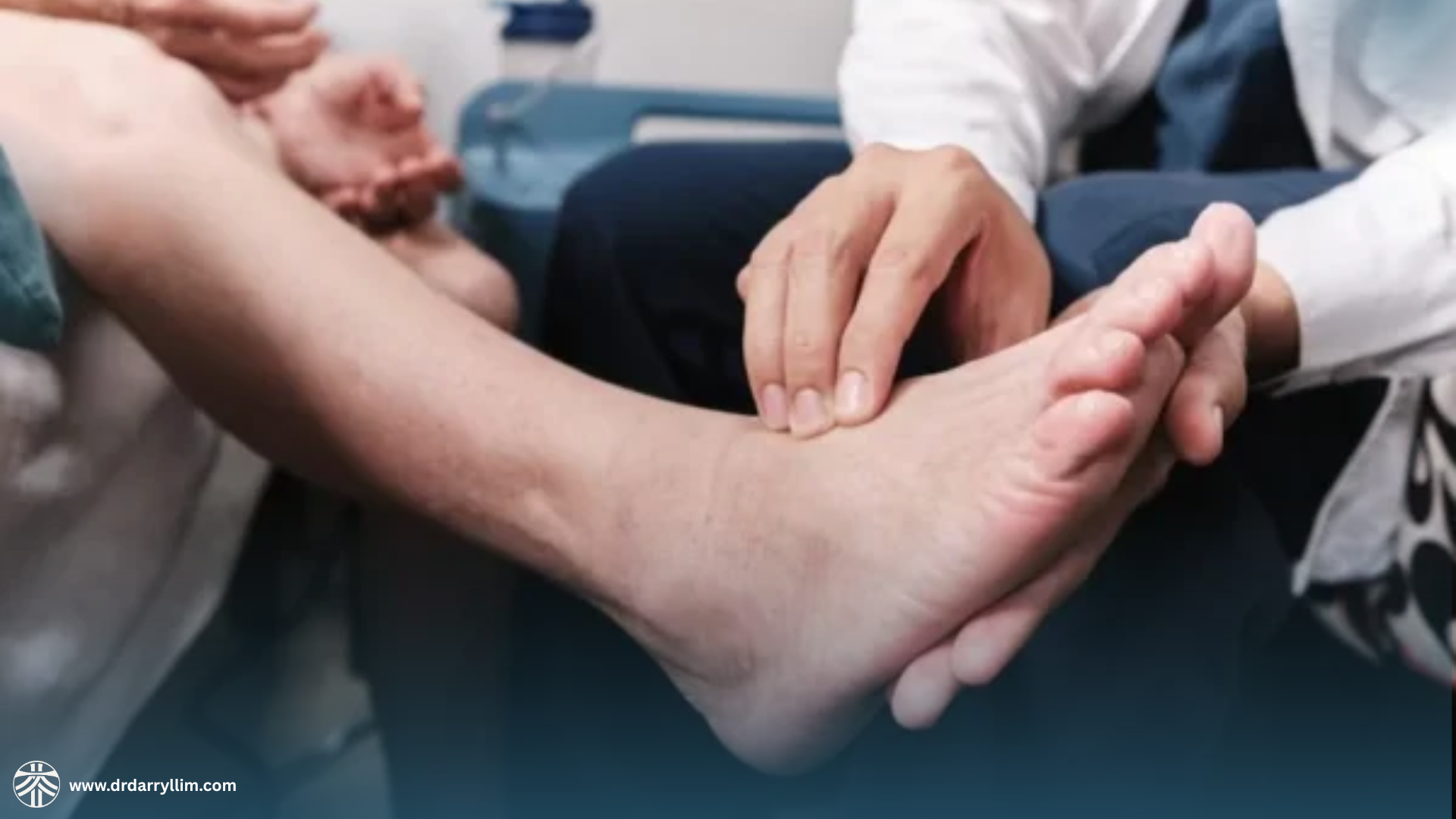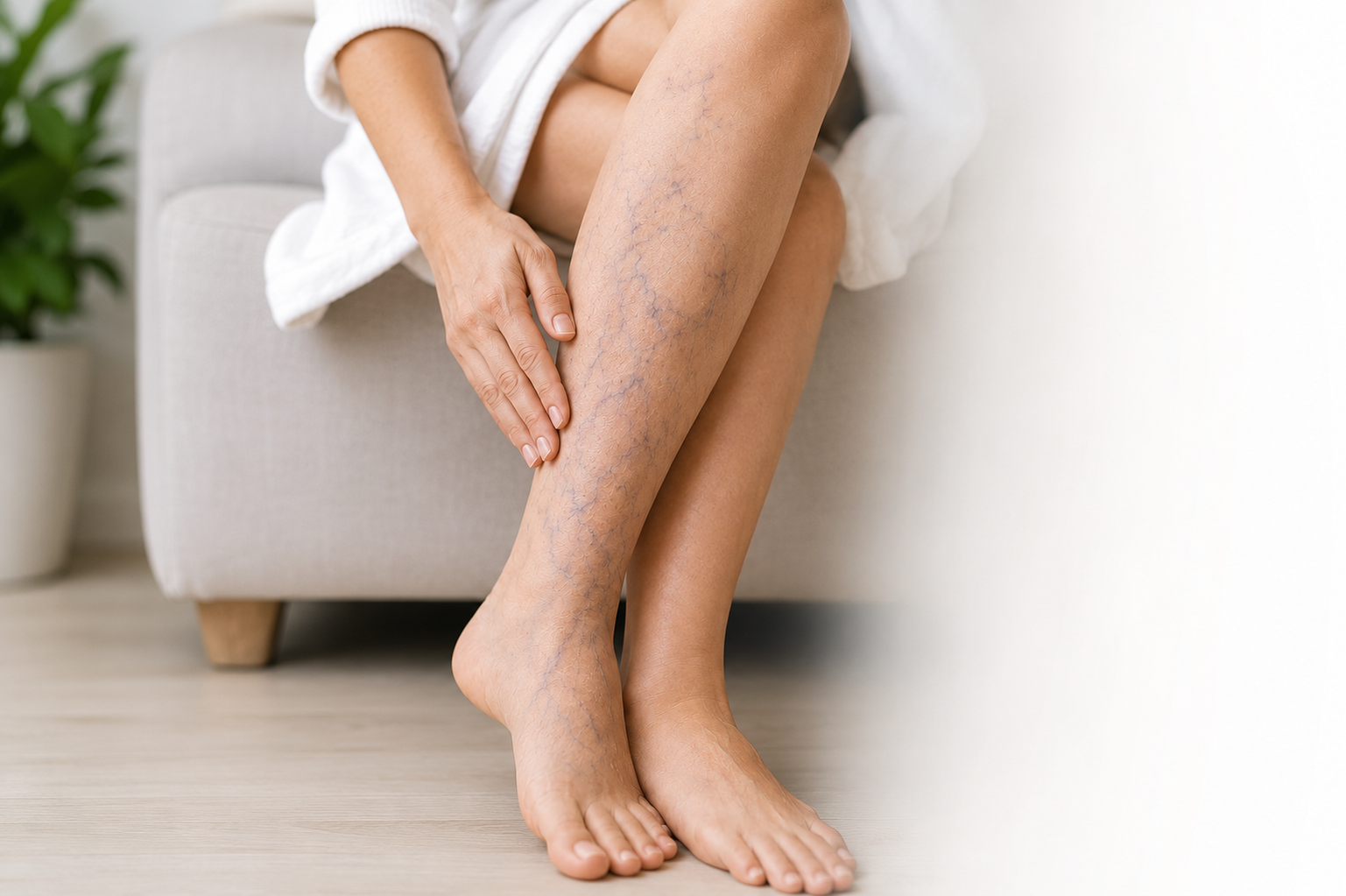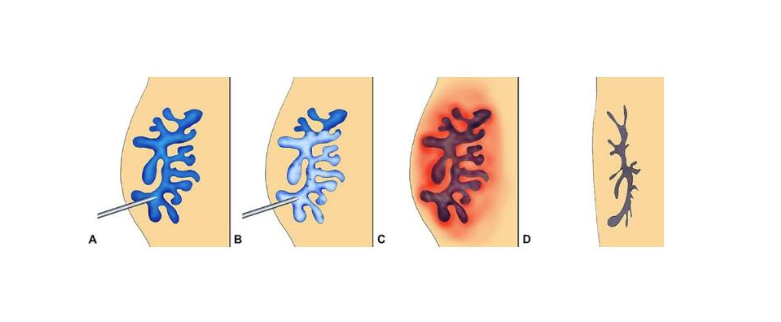

Varicose veins during pregnancy are a common concern for many expectant mothers. These swollen, bulging, bluish veins appear when the valves in the leg veins weaken or fail, causing blood to pool and veins to enlarge. Understanding the causes and taking proactive steps can help manage and prevent this condition.
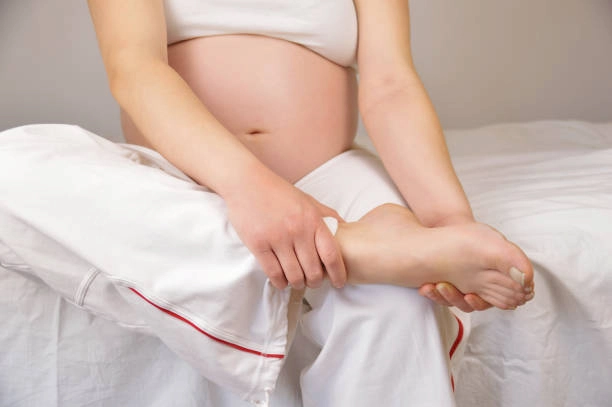
Why Am I Getting Enlarged Varicose Veins During Pregnancy?
During pregnancy, several physiological changes can increase the likelihood of developing varicose veins. Hormonal changes play a significant role; elevated levels of estrogen and progesterone relax the walls of blood vessels, making them more prone to dilation and varicose vein formation.
Additionally, as the uterus grows to accommodate the developing baby, it puts increasing pressure on the veins in the pelvic area. This pressure hinders the normal flow of blood from the legs back to the heart.
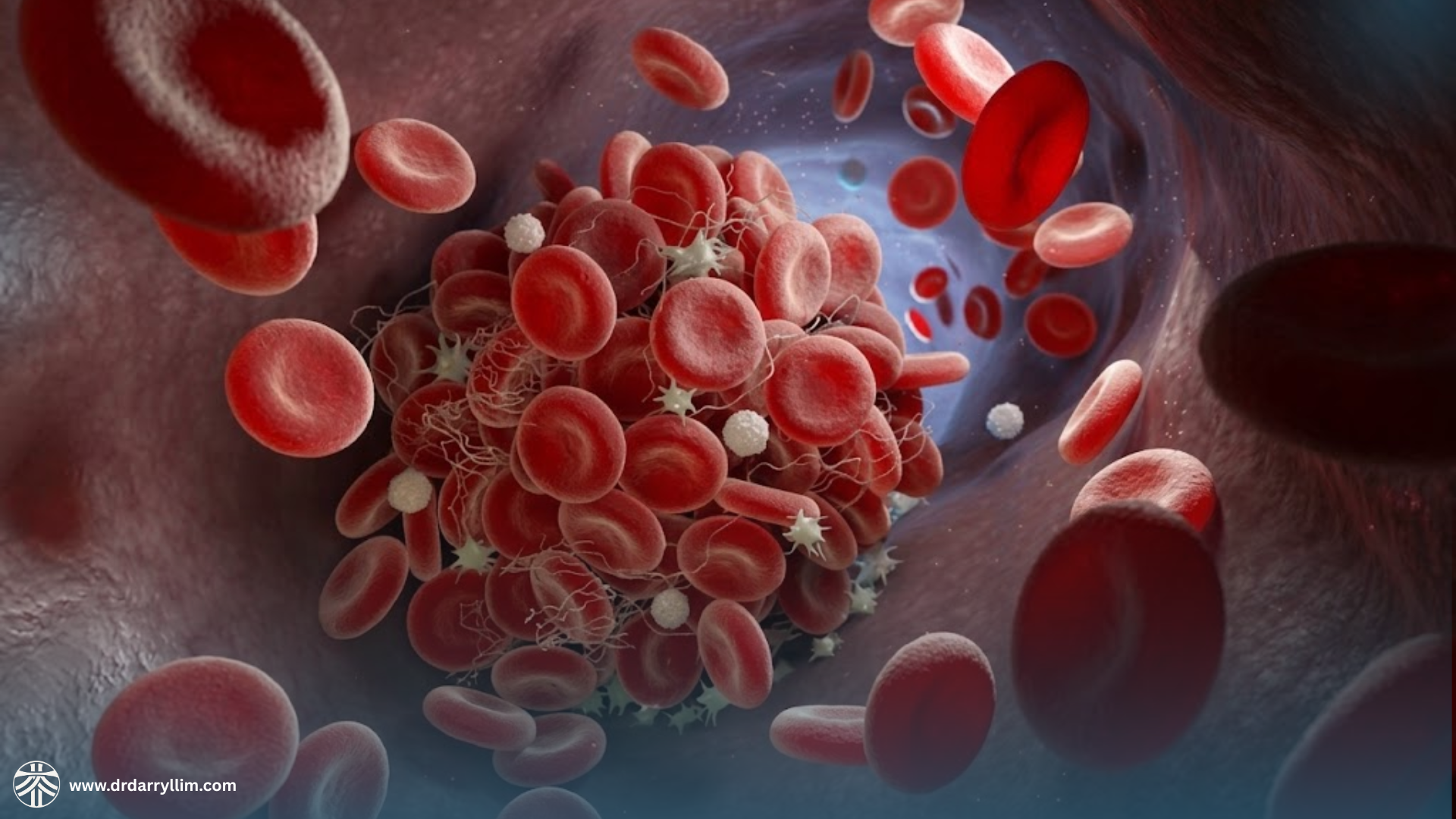
Pregnancy also triggers a significant increase in blood volume to support the fetus and placenta, placing added stress on the vein walls and contributing to their weakening.
Recognizing the Symptoms
Recognizing the early signs of varicose veins during pregnancy can prompt timely preventive action. Swelling is often the first noticeable symptom, particularly in the feet, ankles, and lower legs. You might also feel a persistent heaviness and fatigue in your legs. Discomfort can manifest as aches, burning sensations, or cramps, which are often exacerbated by prolonged standing or sitting. The skin around affected veins may itch due to poor circulation and pressure.
Understanding the Risks
Varicose veins during pregnancy aren’t just a cosmetic concern; they can lead to more serious complications. The risk of deep vein thrombosis (DVT) is heightened due to sluggish blood flow and hormonal changes. Pain and discomfort can increase as the pregnancy progresses, and in severe cases, the skin around varicose veins may become discolored or develop ulcers.
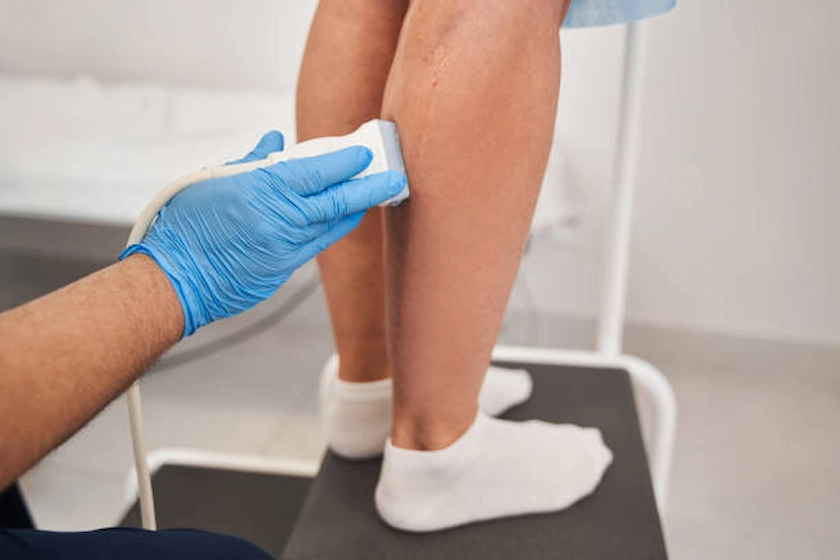
What Can I Do to Prevent Varicose Veins While Pregnant?
Implementing preventive measures early on can significantly reduce the risk and severity of varicose veins during pregnancy. Regular exercise is crucial. Engaging in low-impact activities like walking, swimming, or prenatal yoga can improve circulation and strengthen leg muscles, helping to maintain healthy blood flow and reducing pressure on the veins.
Maintaining a balanced diet rich in fiber, vitamins, and minerals supports overall vascular health. Monitoring your sodium intake can also help, especially if your legs tend to swell at the end of the day. Elevating your legs above heart level whenever possible, particularly after long periods of standing or sitting, can promote better venous return and reduce swelling.
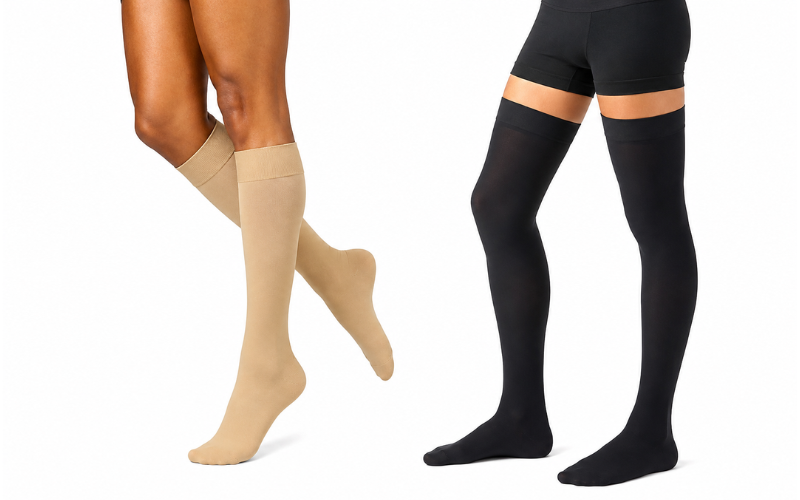
Avoiding prolonged periods of sitting or standing is also important. Taking breaks to move around and changing positions regularly helps prevent blood from pooling in the legs. Wearing compression stockings as prescribed by a healthcare provider provides graduated compression that supports vein function by aiding blood flow back to the heart and reducing discomfort.
Staying hydrated is essential for maintaining healthy blood circulation. Drinking plenty of water ensures your blood remains fluid and less prone to clotting. Choosing comfortable, supportive footwear promotes good posture and circulation, reducing strain on your veins.
The Varicose Veins Have Not Gone Away After Giving Birth! When Can I Start Treatment?
For many women, the function of the vein valves will return to normal and the varicose veins will fade after childbirth. However, some varicose veins may persist. Typically, veins that remain six months postpartum are unlikely to disappear on their own. While treatment is not advisable during pregnancy or breastfeeding, we can successfully treat your veins between pregnancies and consult with you about treatment options beforehand.
Conclusion
By integrating these strategies into your daily routine and consulting with healthcare professionals, you can effectively manage varicose veins during pregnancy. Early intervention not only alleviates discomfort but also prevents complications like DVT. Should you experience persistent varicose veins post-pregnancy, further evaluation and treatment might be necessary to ensure long-term vein health.
Take charge of your health and enjoy a more comfortable pregnancy. For expert advice and personalized treatment plans, visit Dr. Darryl Lim’s clinic. Our dedicated team is here to help you maintain optimal vein health during this special time in your life. Make an appointment today and let us support you in achieving the strong outcomes for your health and well-being.