
A Comprehensive Guide to Compression Socks and Stockings in Singapore

Compression stockings in Singapore are essential for managing and preventing venous diseases by applying graduated pressure to improve blood circulation and alleviate symptoms like swelling and discomfort in the legs. Discover their benefits and proper usage for enhanced leg health and comfort.
Picture of Dr. Darryl Lim

Dr. Darryl Lim

Vascular and Endovascular Surgeon | Singapore

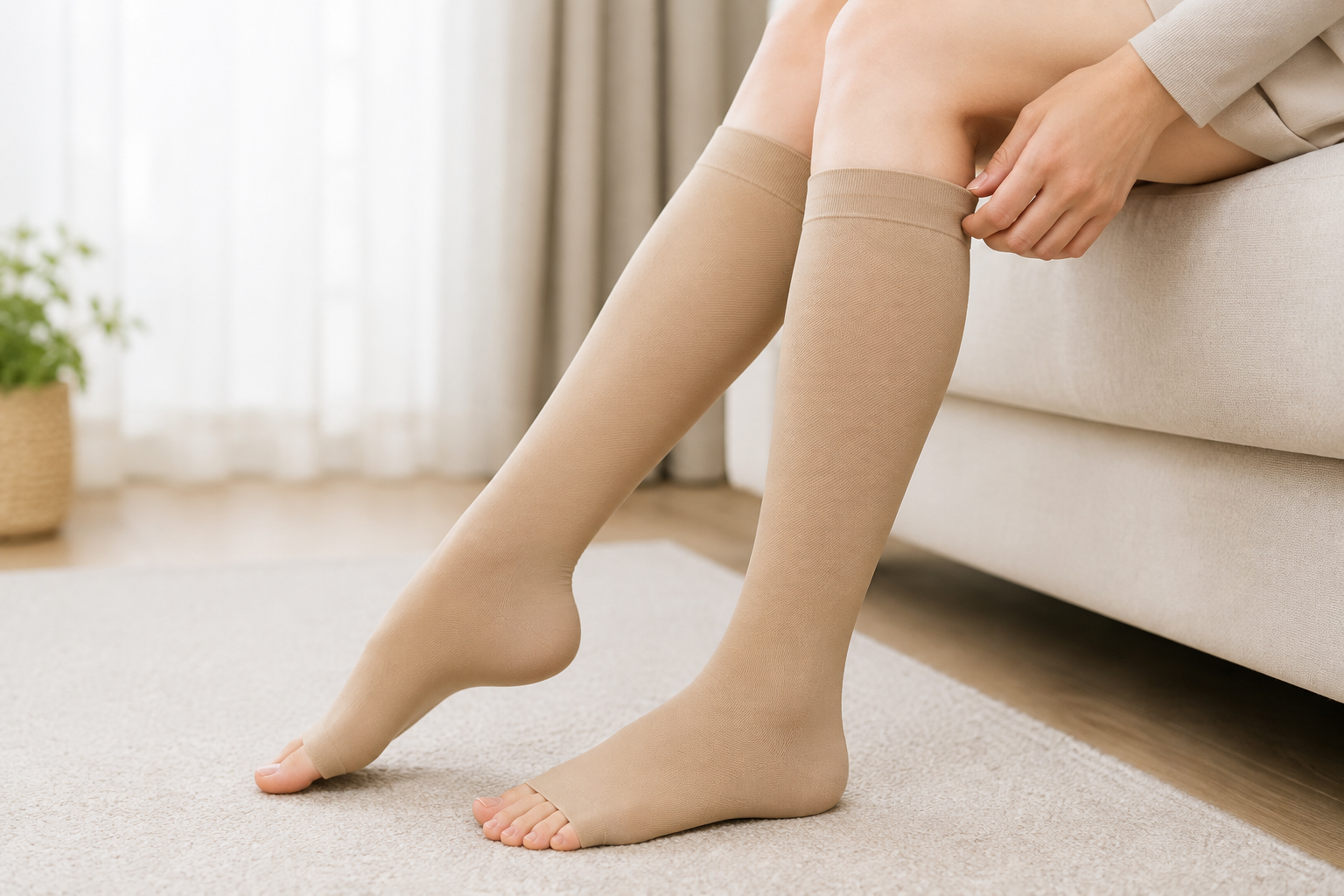
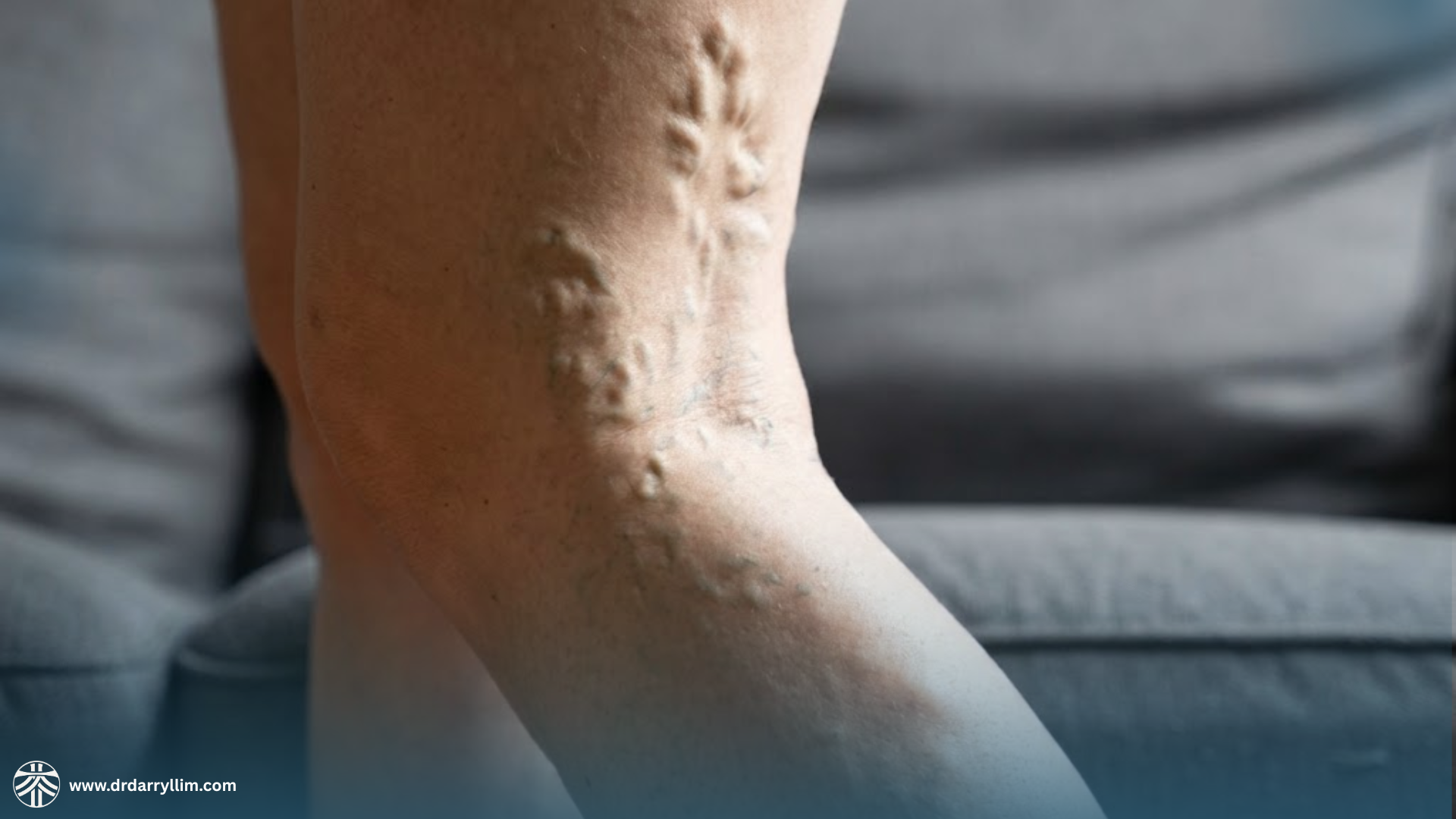
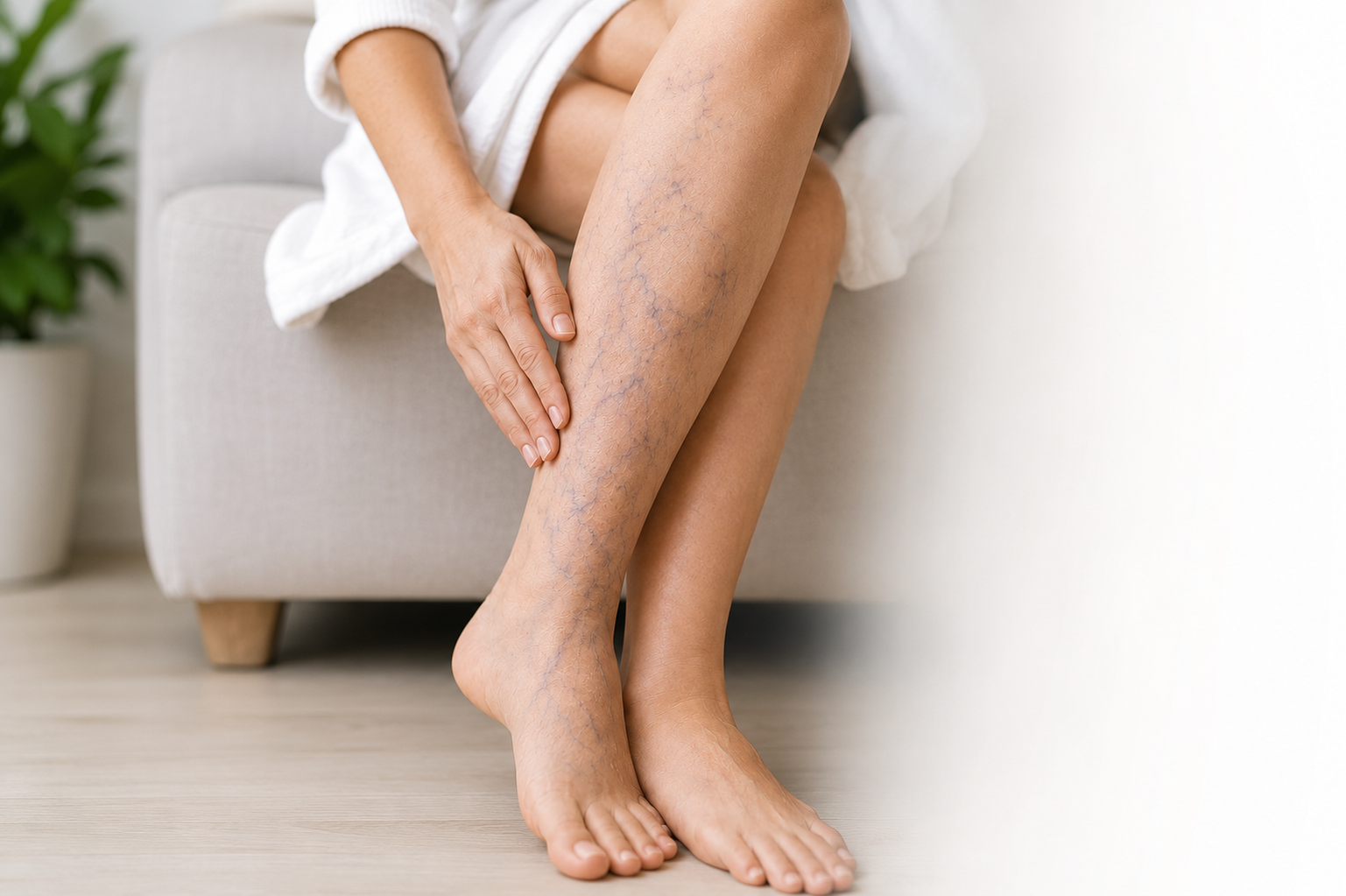
Compression stockings (also called compression socks) are a fantastic tool designed to help prevent and manage venous diseases. They work by applying graduated pressure to the legs. If you’re dealing with varicose veins or other venous issues, this guide is for you. Let’s dive into how these stockings work, their benefits, and how to use them correctly.

Compression Stockings

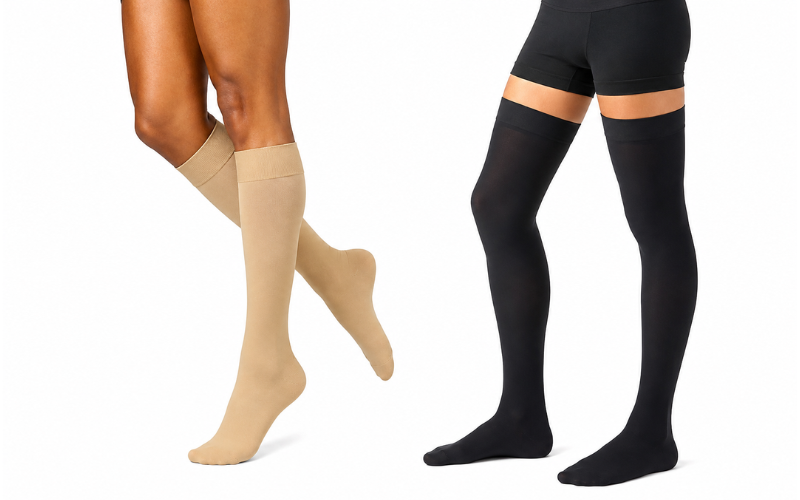
Compression Socks vs Compression Stockings

The terms are often used interchangeably, but there are some practical differences worth knowing. Compression socks usually refer to shorter, sock-length garments (ankle to below the knee) that are widely available over the counter for everyday use, travel, and general leg comfort. Compression stockings typically extend higher — to the knee, thigh, or waist — and are more often prescribed for medical conditions such as varicose veins or chronic venous insufficiency. Both work the same way, using graduated compression to support healthy blood flow. If you have a diagnosed vein condition, it’s best to check with a vascular surgeon on the right length, class, and fit for you.

How Do Compression Stockings Work?

Compression stockings work like a personal fitness coach for your legs, offering targeted support to improve circulation and reduce discomfort. These specially designed garments apply the strongest pressure at the ankle and gradually lessen the compression as they move upward toward the thigh. This graduated pressure encourages healthy blood flow back to the heart, effectively counteracting the tendency of blood to pool in the lower extremities—a common issue in individuals with varicose veins and other venous insufficiencies. By supporting vein function, compression stockings can significantly reduce symptoms such as aching legs, swelling, fatigue, and even those uncomfortable nighttime leg cramps. Whether you’re on your feet all day, dealing with a medical condition, or simply seeking relief from poor circulation, compression stockings are a simple yet powerful tool to support your vascular health and overall leg comfort.

Benefits of Compression Stockings

Compression stockings offer a multitude of benefits that can make a big difference in your daily comfort and health:

  • Improved Blood Circulation: They boost blood flow, reducing the risk of blood pooling in your legs and long-term vein damage.
  • Prevention of Deep Vein Thrombosis (DVT): Especially helpful for those who are immobile for long periods, such as during travel or recovery from surgery.
  • Alleviation of Symptoms: Say goodbye to swelling, aching, and that heavy feeling in your legs.
  • Support During Pregnancy: Expecting moms can find relief from increased venous pressure and swelling with these stockings.
Compression Stockings 1

Understanding the Different Classes

Compression stockings come in different classes, each providing a specific level of pressure:

  • Class I (15–20 mmHg): Perfect for mild varicose veins, slight swelling, and DVT prevention.
  • Class II (20–30 mmHg): Great for moderate varicose veins, mild to moderate edema, and post-surgical support.
  • Class III (30–40 mmHg): Ideal for severe varicose veins, significant swelling, and managing venous ulcers.

Choosing the Right Type

There’s a type of compression stocking for everyone: Not sure which specific product to buy? See our recommended compression stockings review.

  • Knee-Length: These are great for lower leg varicose veins and swelling.
  • Thigh-Length: These provide more coverage for more severe conditions.
  • Pantyhose: Offering full leg support, these are often chosen for their comprehensive coverage and aesthetics.

Getting the Right Fit

Getting the right size is crucial for compression stockings to deliver their full therapeutic benefits. Ill-fitting stockings—whether too tight or too loose—can reduce effectiveness and cause discomfort. To ensure a proper fit, accurate measurements of your leg are essential. This typically includes measuring the narrowest part of your ankle, the widest part of your calf, and, if you’re wearing thigh-high or full-length stockings, the circumference of your thigh as well. Some sizing charts may also require the length from the floor to the bend of your knee or the top of your thigh.

Once you’ve taken these measurements, refer to the manufacturer’s specific sizing guide—each brand may vary slightly. A snug but comfortable fit ensures that the stockings provide the right level of graduated compression, improving circulation without causing unnecessary pressure or restricting movement. If you’re unsure, it’s always a good idea to consult with a healthcare provider or compression wear specialist for guidance.

Safety and Prescription Considerations

For stockings with a compression level above 20 mmHg, a prescription from a healthcare professional is necessary. A thorough assessment of your arterial circulation is essential to ensure that you do not have concomitant Peripheral Vascular Disease as this would be a potential contraindication to wearing such stockings. This ensures they are suitable for your specific condition and prevents complications like skin irritation or tissue damage.

Usage and Maintenance Tips

To maximize the benefits of compression stockings, consistency and proper care are key. These garments are most effective when worn during the day—especially while you’re standing, walking, or sitting for extended periods—and should be removed at night to allow your legs to rest. For individuals recovering from vein surgery or treatments such as sclerotherapy or ablation, wearing compression stockings daily for at least 2 to 4 weeks post-procedure can significantly enhance healing, reduce swelling, and improve long-term outcomes.

To ensure your stockings continue to deliver optimal support, it’s recommended to replace them every six months, as the elastic fibers can weaken over time with daily use. Additionally, proper care goes a long way. Wash them regularly—ideally after each use—following the manufacturer’s care instructions to preserve their elasticity, cleanliness, and compression level. With the right usage and maintenance, compression stockings can remain an effective and reliable part of your vein health routine.

Tips for Putting on Compression Stockings

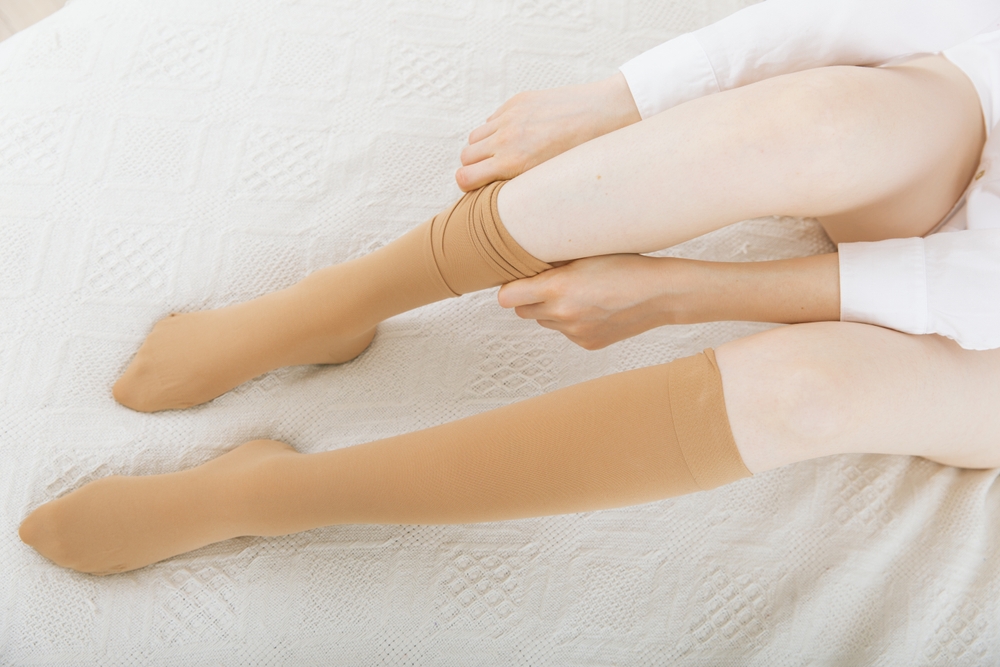
Putting on compression stockings can be challenging, especially for those with limited mobility, but the right techniques and tools can make a big difference. If you have conditions like arthritis, back problems, or other mobility limitations, using donning aids such as stocking applicators, rubber gloves, or even specialized donning devices can help you slide the stockings on more easily and with less strain. It’s also helpful to put them on first thing in the morning, when swelling is typically at its lowest.

When applying compression stockings, it’s essential to make sure they are pulled up evenly and lie flat against your skin. Wrinkles, bunching, or rolled edges can create uneven pressure, which may lead to discomfort or even impair circulation. Taking a few extra minutes to properly smooth out the fabric ensures the stockings work as intended—delivering consistent, graduated compression for maximum comfort and therapeutic benefit.

Frequently Asked Questions About Compression Socks and Stockings

What’s the difference between compression socks and compression stockings?

They work the same way, using graduated compression to support blood flow. Compression socks are usually shorter (ankle to below the knee) and sold over the counter, while compression stockings are longer (knee-high, thigh-high, or waist-high) and more often recommended by a doctor for a diagnosed vein condition.

Can I buy compression socks without a prescription?

Yes, mild-compression socks are widely available over the counter in Singapore. Stronger, medical-grade compression classes are usually recommended and fitted by a doctor, especially if you have a diagnosed vein condition.

How do I know what compression class I need?

Compression stockings come in different pressure classes, from mild to firm. A vascular surgeon can assess your legs and recommend the right class, length, and fit based on your symptoms or diagnosis.

Can compression socks help with travel or everyday leg comfort?

Many people find graduated compression socks helpful for everyday leg comfort, long flights, and reducing mild swelling. They are not a substitute for medical treatment of a diagnosed vein condition, so speak to a vascular surgeon if you have ongoing symptoms.

How often should I replace my compression socks or stockings?

Most compression socks and stockings should be replaced every 3 to 6 months, as the elastic fibers weaken with regular use and washing, which reduces how much compression they actually provide.

Conclusion

Compression stockings are a wonderful tool in managing and preventing venous diseases. With the right selection, proper fit, and consistent use, they can greatly enhance your quality of life. Always consult a healthcare provider to find the right type and compression level for your needs.

For personalized advice and treatment, visit Dr. Darryl Lim’s clinic. Our dedicated team is ready to help you find the perfect compression stockings and provide expert guidance on managing your vein health. Schedule an appointment today and take the first step towards healthier, happier legs.

Share:

Facebook
Twitter
Pinterest
LinkedIn
Dr. Darryl Lim

Dr. Darryl Lim

Vascular and Endovascular Surgeon | Singapore

Dr. Darryl Lim is a Senior Consultant Vascular and Endovascular Surgeon at the Novena Vascular and Varicose Vein Centre in Singapore. Before this role, he served as the Director of the Vascular Unit at Changi General Hospital and as a Service Chief at the Singhealth-Duke NUS Vascular Centre. Under his tenure, Changi General Hospital’s Vascular Unit was recognized as a regional centre of excellence.

Dr. Lim has a strong commitment to training emerging interventionalists and enhancing the capabilities of vascular units in Southeast Asia. He is regularly invited to travel to regional units to conduct live case workshops and to speak at international conferences.

Related Posts

Do Varicose Veins Always Need Treatment?

Varicose veins do not always need treatment. Mild, stable varicose veins without symptoms, swelling, skin changes or complications can often be monitored. Treatment is usually considered when varicose veins cause persistent aching, heaviness, swelling, night cramps, itching, skin changes, thrombophlebitis, bleeding or venous ulcers- especially when duplex ultrasound shows significant reflux that matches the symptoms. Conservative measures can help control symptoms, but they do not repair underlying damaged vein valves.

Do I Need a GP Referral to See a Vascular Surgeon in Singapore?

You usually do not need a GP referral to see a private vascular surgeon in Singapore. You can book a private consultation directly. A referral is usually needed if you want subsidised care at a public hospital Specialist Outpatient Clinic, and some Integrated Shield Plans or corporate medical insurance schemes may require a referral before specialist fees are claimable. For urgent vascular symptoms such as sudden severe leg pain, a cold or blue foot, sudden breathlessness, or major bleeding, go directly to A&E.

MediSave cost calculation for varicose vein treatment and vascular procedures in Singapore

Does MediSave Cover Varicose Vein Treatment in Singapore?

MediSave may be used for varicose vein treatment in Singapore when the condition is medically indicated, such as when symptoms and duplex ultrasound confirm venous reflux. Minimally invasive treatments such as RFA, ClariVein, VenaSeal, ultrasound-guided sclerotherapy or mini phlebectomies may be claimable when performed as an approved surgical or day surgery procedure (with an appropriate TOSP code). Purely cosmetic spider vein treatment is generally not MediSave-claimable.

Medical compression stockings used to improve circulation, reduce leg swelling, and support venous insufficiency treatment

Do Compression Socks Help Restless Legs? When They Work and When They Don’t

Compression socks may help restless or uncomfortable legs when symptoms are linked to venous pooling, swelling, varicose veins, or chronic venous insufficiency. They are not a cure for true neurological Restless Legs Syndrome, but they can reduce heaviness, aching, crampy tightness, and night-time discomfort in selected patients. If restless legs come with swelling, visible veins, or ankle skin changes, a vascular assessment may be useful.

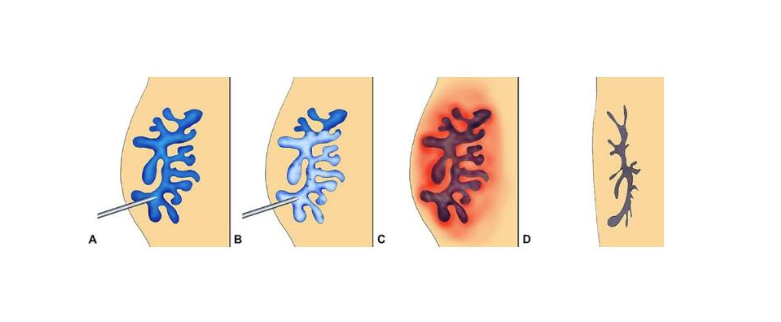
Illustration showing the treatment process and closure of a varicose vein after minimally invasive vein treatment

What Happens to Varicose Veins After Treatment?

After varicose vein treatment, the diseased vein is usually closed, sealed, or removed so blood can
reroute through healthier veins. The treated vein may still be visible or feel firm at first, but over weeks
to months, the body gradually breaks it down. Symptoms such as heaviness, aching, and swelling
often improve earlier than the visible appearance. Full cosmetic results take time, and some patients
may need staged treatment for remaining surface veins or spider veins.