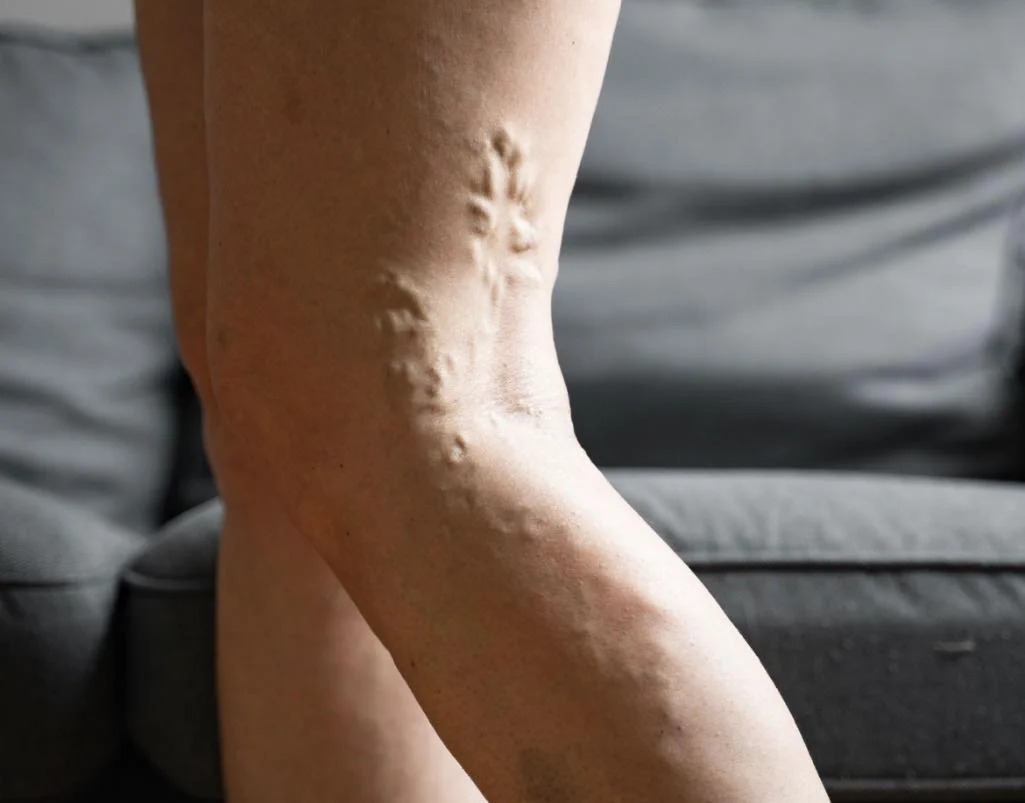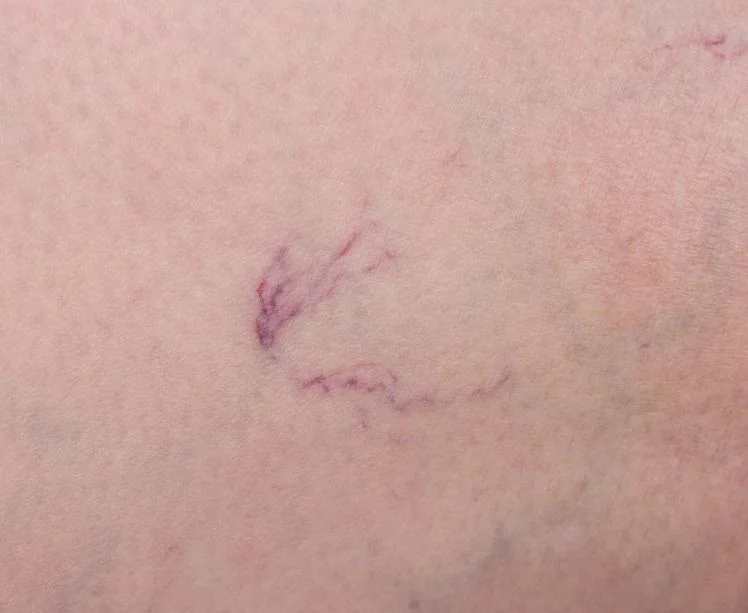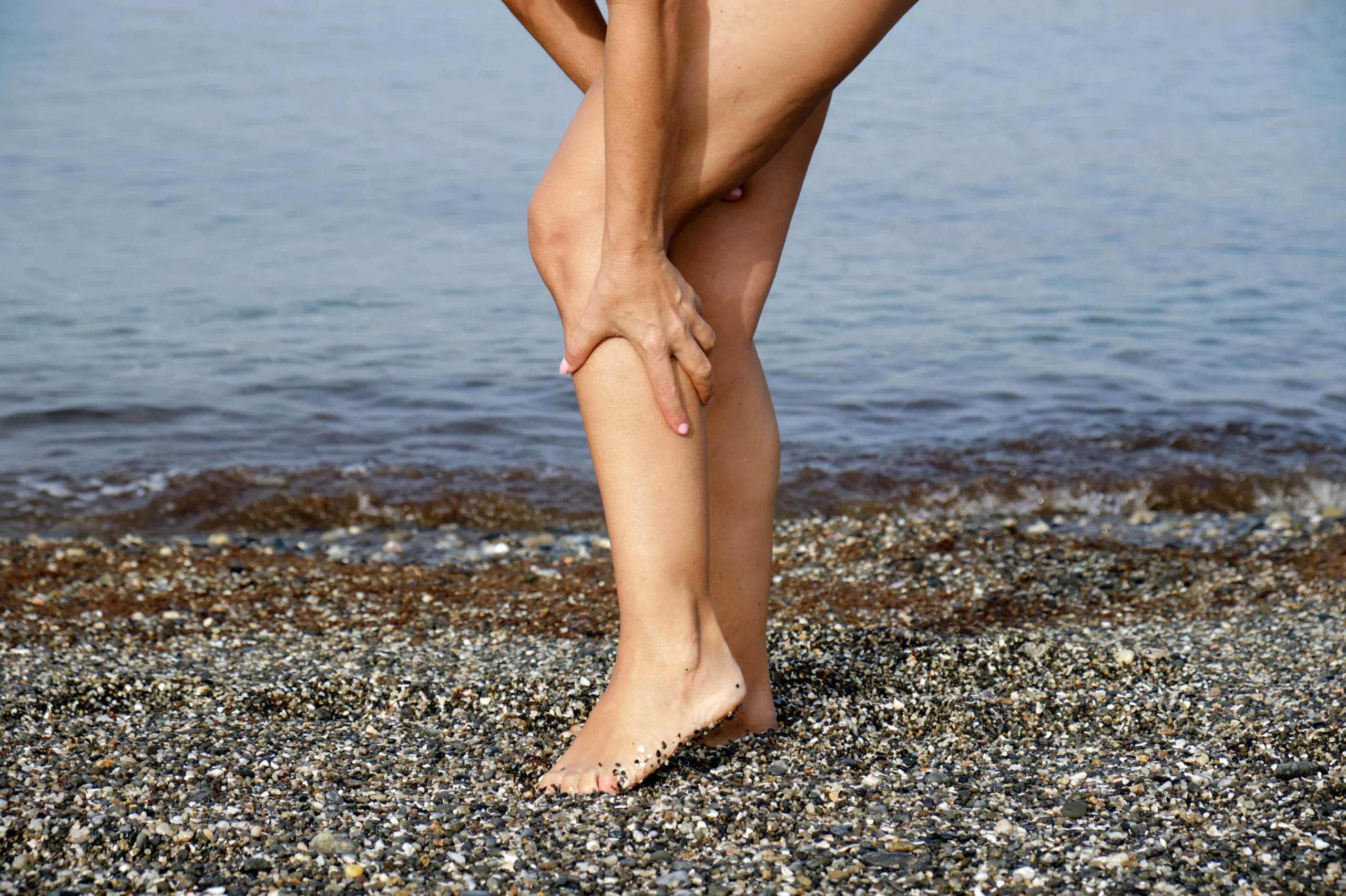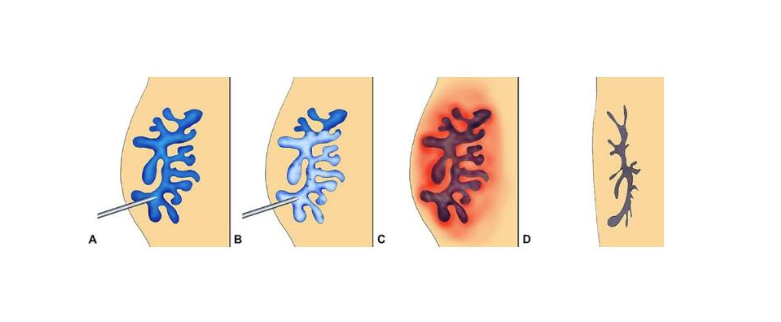
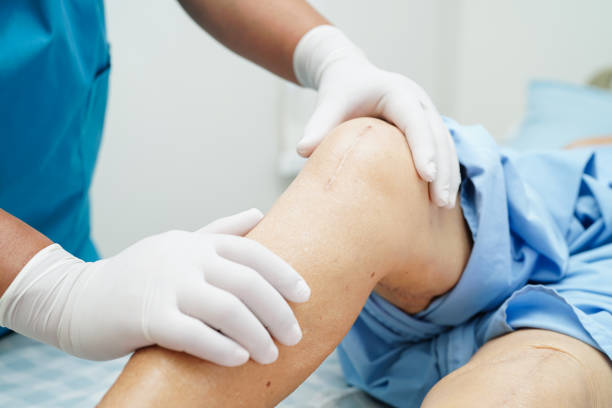
Experiencing some discomfort after vein surgery is normal and often expected. Whether your procedure was a minimally invasive treatment like endovenous laser ablation or radiofrequency ablation or a surgical intervention such as vein stripping, your body needs time to heal. Pain and tenderness occur because the treated veins are undergoing controlled closure or removal, triggering a natural inflammatory response.
This healing process can cause sensations like tightness, mild cramping, or tenderness along the path of the treated vein. In surgical cases, the surrounding tissues may also be temporarily irritated, leading to stiffness and bruising. These sensations are generally temporary, and with proper aftercare, they tend to improve steadily over the days and weeks following the procedure.
Understanding the Recovery Process
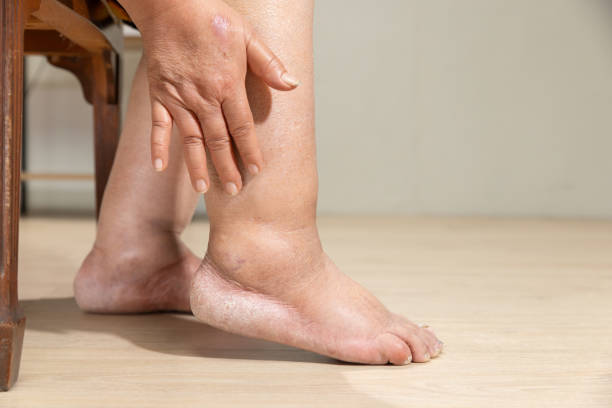
Recovery varies from patient to patient, but most people follow a similar healing pattern. For many, discomfort is at its peak within the first week—sometimes intensifying around days 8 to 10—and then gradually decreases. Bruising, swelling, and skin sensitivity in the treated area are common. In minimally invasive treatments, discomfort is often mild and resolves quickly, while more extensive surgical procedures may take longer to fully heal.
It’s important to remember that some tightness or mild pulling sensations can continue for several weeks. This is simply the body’s way of adjusting as it reroutes blood flow through healthier veins and absorbs the treated ones.
Effective Strategies for Relieving Leg Pain
Stay Active, But Gentle
Movement is one of the most important parts of recovery. Gentle walking several times a day helps improve circulation, reduces stiffness, and speeds up healing. Avoid prolonged periods of sitting or standing still, as these can slow blood flow and increase swelling.
Elevate Your Legs Regularly
Whenever you’re resting, try to keep your legs elevated above heart level. This position allows gravity to assist with fluid drainage, reducing swelling and easing pressure on healing veins.
Wear Compression Stockings as Directed
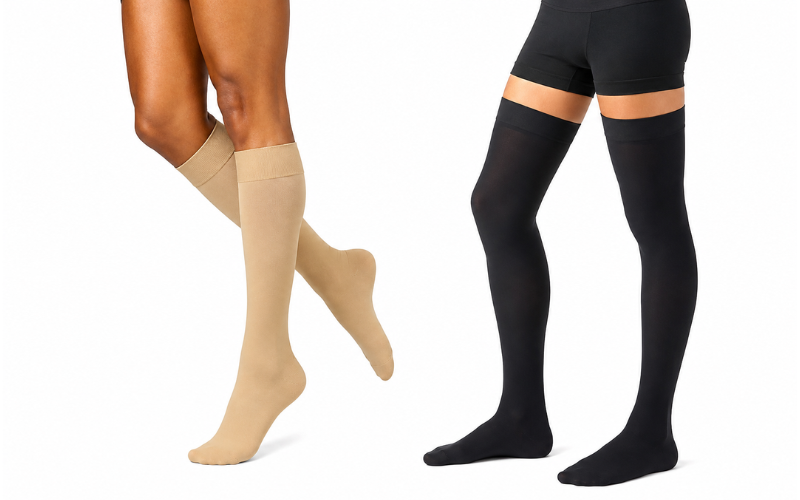
Compression stockings provide gentle, even pressure that supports circulation and helps reduce swelling and bruising. Your doctor will recommend how long to wear them—often full-time for the first few days, then during the daytime for several weeks.
Apply Cold Packs for Swelling
Using a cold pack wrapped in a cloth can help reduce swelling and ease soreness. Apply it to the treated area for 10–15 minutes at a time, several times a day during the first 48 hours.
Manage Discomfort with Approved Pain Relief
Over-the-counter pain relievers can help make recovery more comfortable, but only use medications recommended by your doctor. Avoid anti-inflammatory medicines if advised, as they can sometimes interfere with the healing process.
When Leg Pain Needs Medical Attention
While mild to moderate discomfort is part of normal healing, you should contact your doctor if you experience any of the following:
- Pain that worsens instead of improving
- Redness, warmth, or swelling that spreads beyond the treated area
- Fever, chills, or other signs of infection
- Persistent swelling, sudden severe pain, or changes in skin color
- Shortness of breath or chest pain (which could indicate a serious complication)
These could be signs of an issue such as infection, superficial thrombophlebitis, or deep vein thrombosis (DVT). Early medical attention ensures prompt treatment and prevents complications.
Typical Postoperative Timeline
| Time Frame | What to Expect |
| Days 1–3 | Mild to moderate soreness, swelling, and bruising; start short walks and elevate legs when resting. |
| Days 4–10 | Possible peak in discomfort; continue gentle movement and wear compression stockings as advised. |
| Days 11–14 | Noticeable improvement in pain and swelling; bruises begin to fade. |
| Weeks 2–4 | Most discomfort resolves; light activities resume, but avoid high-impact exercise until cleared. |
| Weeks 4+ | Final healing stage; any lingering tightness or mild sensitivity should gradually subside. |
Tips for a Smoother Recovery
- Follow your aftercare plan closely—Your recovery timeline is unique, and your post-op plan is designed for your procedure and health needs.
- Stay hydrated and eat a balanced diet—Proper nutrition supports tissue repair and reduces inflammation.
- Avoid high-impact activities too soon—running, heavy lifting, or strenuous exercise can delay healing if resumed too early.
- Protect treated skin from sun exposure—sunburn can cause pigmentation changes over healing areas.
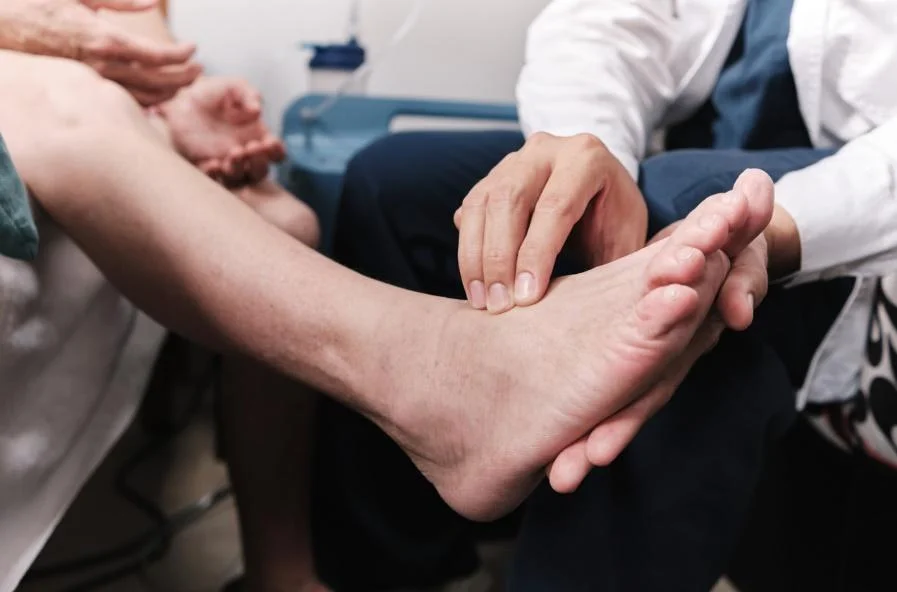
- Attend follow-up appointments—These allow your doctor to track your progress and address any concerns promptly.
Long-Term Prevention of Leg Discomfort After Vein Surgery
Even after successful vein treatment, maintaining healthy circulation is key to preventing discomfort and recurrence of vein problems. Regular exercise, maintaining a healthy weight, wearing compression stockings when needed, and avoiding prolonged inactivity all contribute to better long-term vascular health.
Why Choose Dr. Darryl Lim for Post-Operative Care
At Dr. Darryl Lim—Vascular and Varicose Vein Specialist, patient care continues long after the procedure is complete. Dr. Lim provides detailed recovery instructions, personalized activity plans, and close follow-up to ensure every patient heals comfortably and effectively. With his expertise in both surgical and minimally invasive vein treatments, you can be confident in receiving comprehensive, compassionate care from start to finish.