
While both spider veins and varicose veins are related to poor circulation and weakened valves, the difference lies in their appearance, location, and severity. Spider veins are small and superficial, often a cosmetic concern. Varicose veins are larger, bulging, and more likely to cause discomfort or health issues.
Knowing the difference between varicose and spider veins can help you decide whether to monitor, manage conservatively, or seek medical treatment.
What Are Spider Veins?
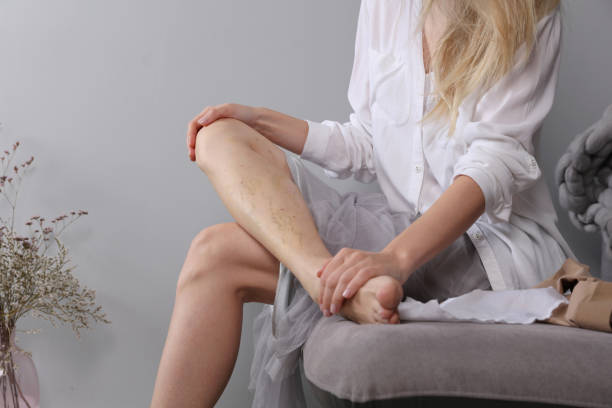
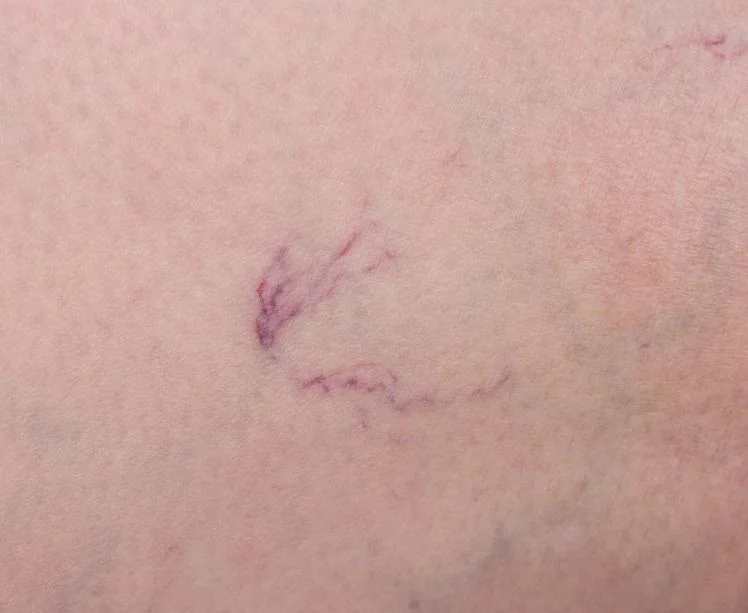
Spider veins (also known as telangiectasias) are small, thin veins that appear near the surface of the skin. They often look like red, blue, or purple lines, webs, or branches — most commonly seen on the thighs, calves, and ankles.
They’re usually painless and harmless but can be a source of cosmetic concern for many people. Spider veins may be triggered by hormonal changes, sun exposure, prolonged standing, or genetics.
What Are Varicose Veins?
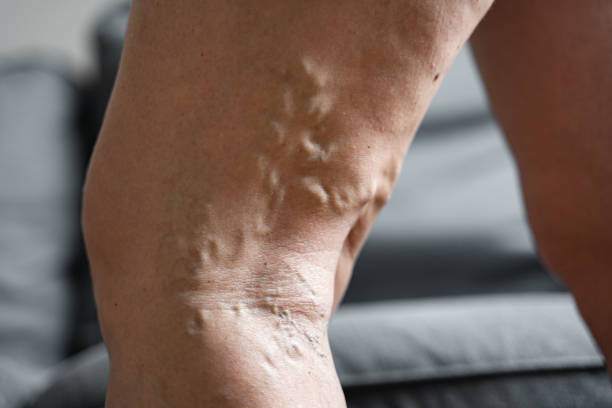
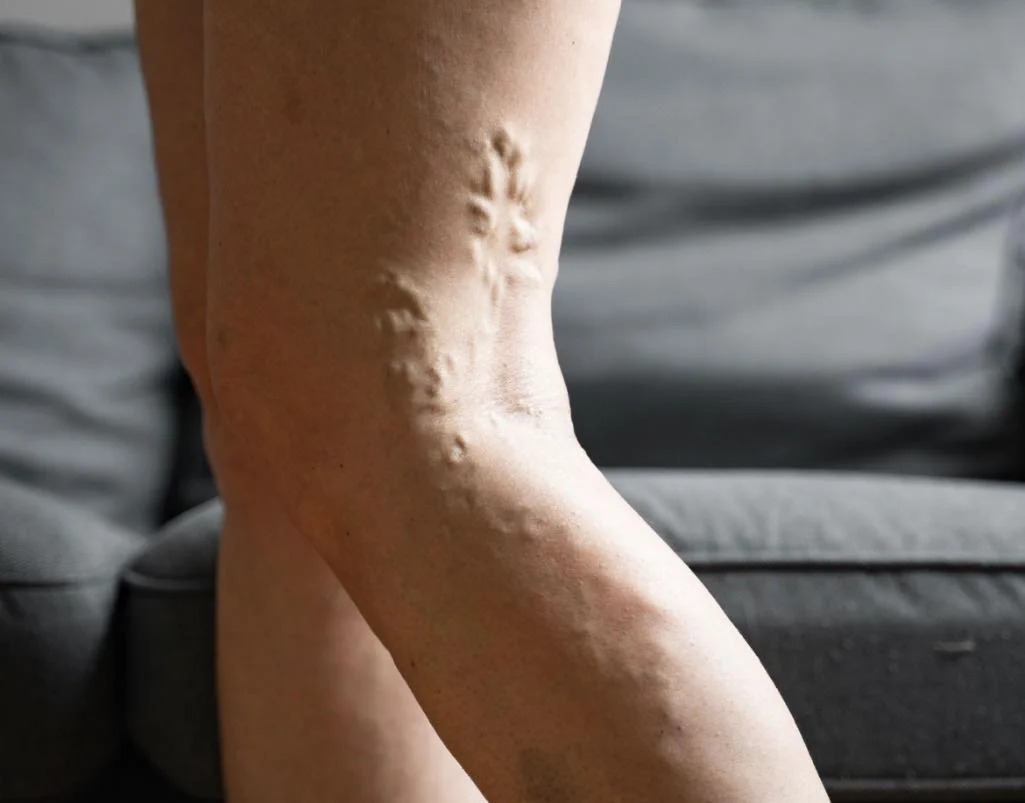
Varicose veins are larger, swollen veins that appear raised and twisted under the skin. They’re most often found on the legs and are caused by faulty valves in the veins that allow blood to pool, increasing pressure and causing the vein to enlarge.
These veins are more than just cosmetic — they can cause symptoms that affect your daily comfort and circulation.
Common Symptoms of Varicose Veins
If you’re wondering whether your veins are more than just visible, look out for these symptoms of varicose veins:
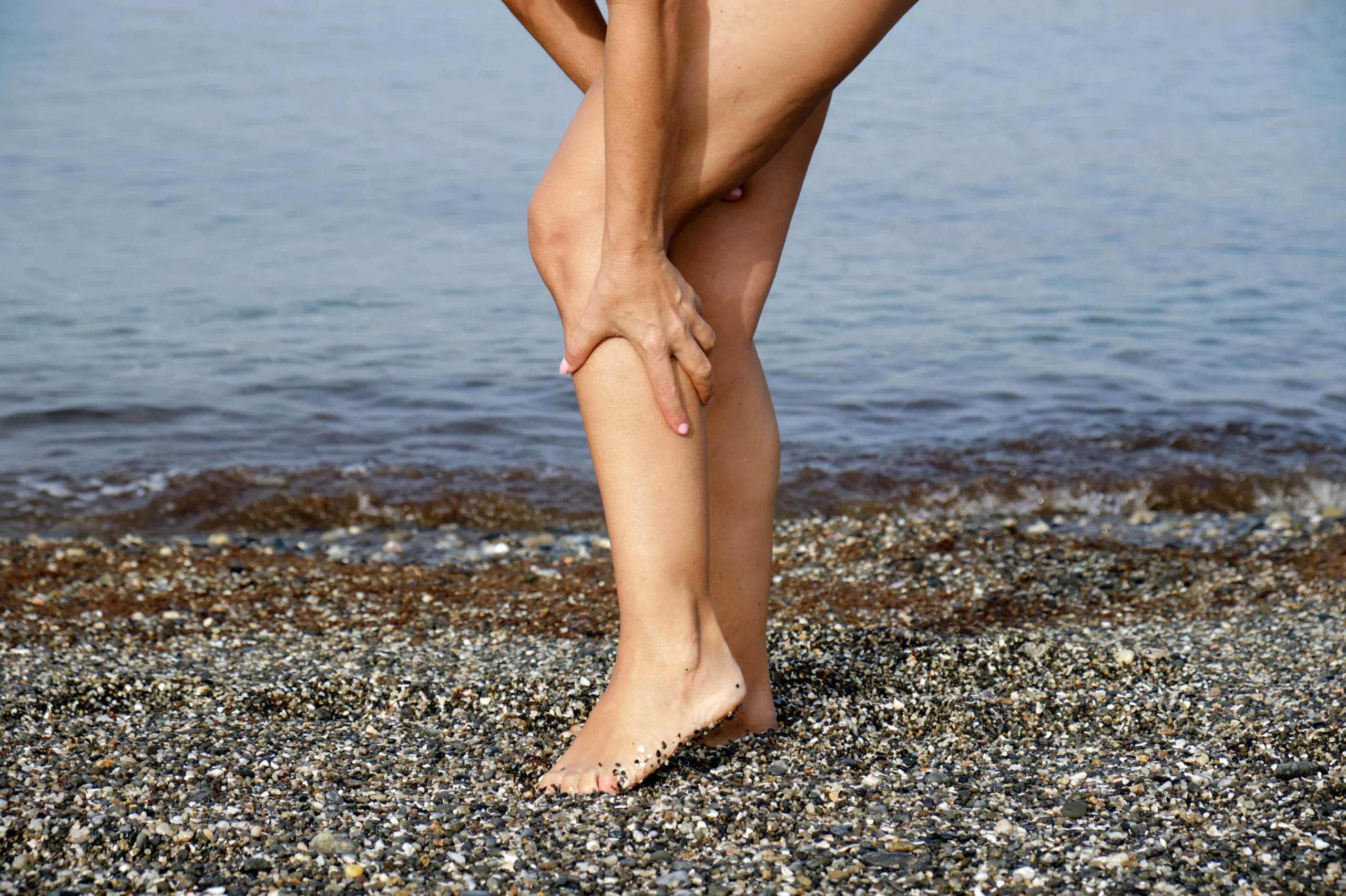
- Aching or heaviness in the legs, especially after standing
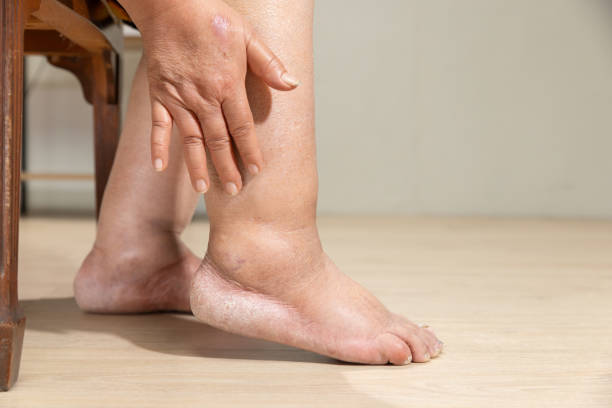
- Swelling around the ankles or lower legs
- Throbbing, cramping, or burning sensations
- Itching or irritation over the vein
- Skin discolouration or hardening (in more advanced cases)
While not all varicose veins are painful, many can lead to chronic discomfort, especially if left untreated.
Spider Veins vs. Varicose Veins: At a Glance
| Feature | Spider Veins | Varicose Veins |
| Size | Small, thin (like threads) | Enlarged, rope-like, bulging |
| Depth | Just under the skin surface | Deeper, larger veins |
| Appearance | Red, blue, or purple web-like lines | Twisted, raised, blue or skin-coloured |
| Symptoms | Usually painless. Might have discomfort | Often aching, swelling, heaviness |
| Health Risk | Mainly cosmetic. Might indicate issue of underlying venous reflux | Can lead to chronic venous issues |
| Common Locations | Thighs, calves, face | Legs (calves, thighs), ankles |
| Treatment Options | Sclerotherapy, VeinGogh | RFA, sclerotherapy, phlebectomy |
Are Spider Veins a Warning Sign?
Not always — but they can sometimes be an early sign of underlying venous issues. If you also experience leg pain, swelling, or fatigue, it may be worth consulting a vascular surgeon for a formal vein assessment to rule out deeper venous reflux.
When Should You See a Doctor?
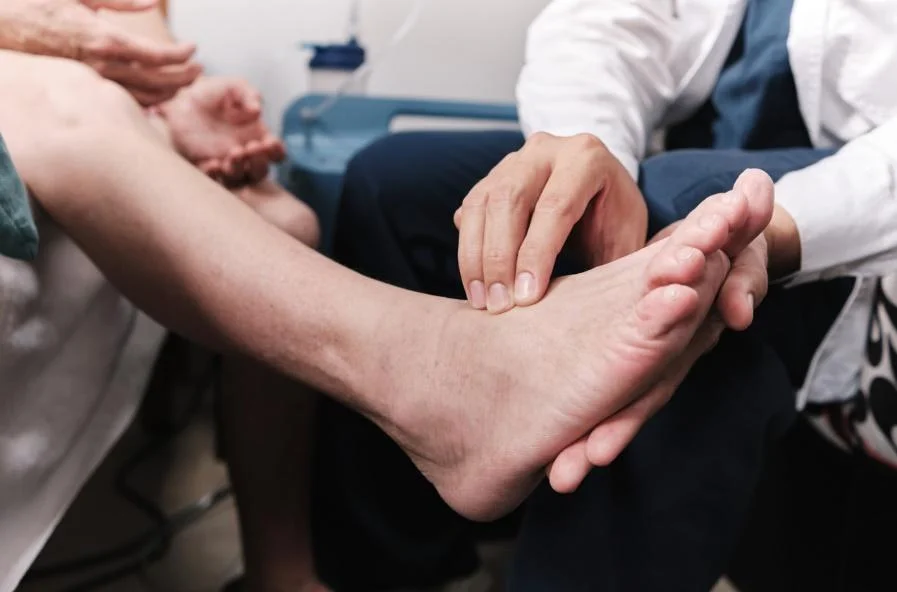
If you’re bothered by the appearance of veins or experiencing any symptoms of varicose veins, it’s worth getting checked. A simple ultrasound scan can help determine if there’s an underlying issue that needs attention — and treatments today are far less invasive than many people expect.

Final Thoughts
Understanding the difference between varicose and spider veins can help you take the right next steps — whether that’s simply monitoring for changes or exploring treatment options to improve comfort and appearance.
Dr. Darryl Lim is a vascular surgeon in Singapore who offers comprehensive evaluation and treatment for both spider veins and varicose veins. Whether it’s a cosmetic concern or a medical one, he can help you find a solution that fits your needs.
FAQ
Are spider veins and varicose veins the same thing?
No. While both are related to vein valve weakness, varicose veins are larger, deeper, and more likely to cause symptoms.
Can spider veins turn into varicose veins?
Not exactly — but both can appear due to similar underlying vein issues. If you have both types, it’s worth investigating further.
What’s the best treatment for spider veins?
Sclerotherapy is the most common treatment, but VeinGogh ohmic thermolysis is also an option for small surface veins.