
Understanding Chronic Venous Insufficiency: Causes, Symptoms, and Treatments

Chronic venous insufficiency (CVI) is a condition that significantly impacts leg health, affecting many individuals annually. This comprehensive guide by Dr. Darryl Lim explores the causes, symptoms, and treatment options for CVI, empowering patients with the knowledge to manage and overcome this condition effectively.
Picture of Dr. Darryl Lim

Dr. Darryl Lim

Vascular and Endovascular Surgeon | Singapore

Chronic venous insufficiency (CVI) is a medical condition that significantly impacts leg health, affecting countless individuals each year. This guide delves deep into the causes, symptoms, and available treatments, providing vital information for those affected by this condition. CVI arises from the inability of leg veins to adequately return blood back to the heart, often due to valve dysfunction or issues with vein wall elasticity. This condition can lead to discomfort, pain, and severe health complications if not addressed.

By exploring the intricacies of CVI, from its early signs to advanced treatment techniques, this guide aims to empower patients and caregivers with the knowledge needed to manage and potentially overcome this challenging condition.
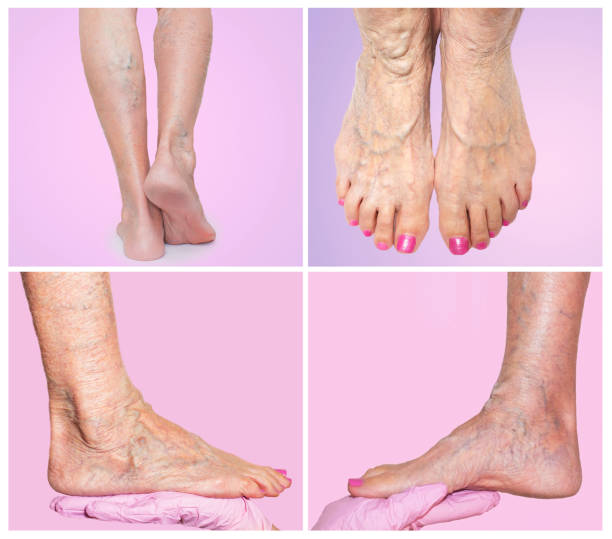
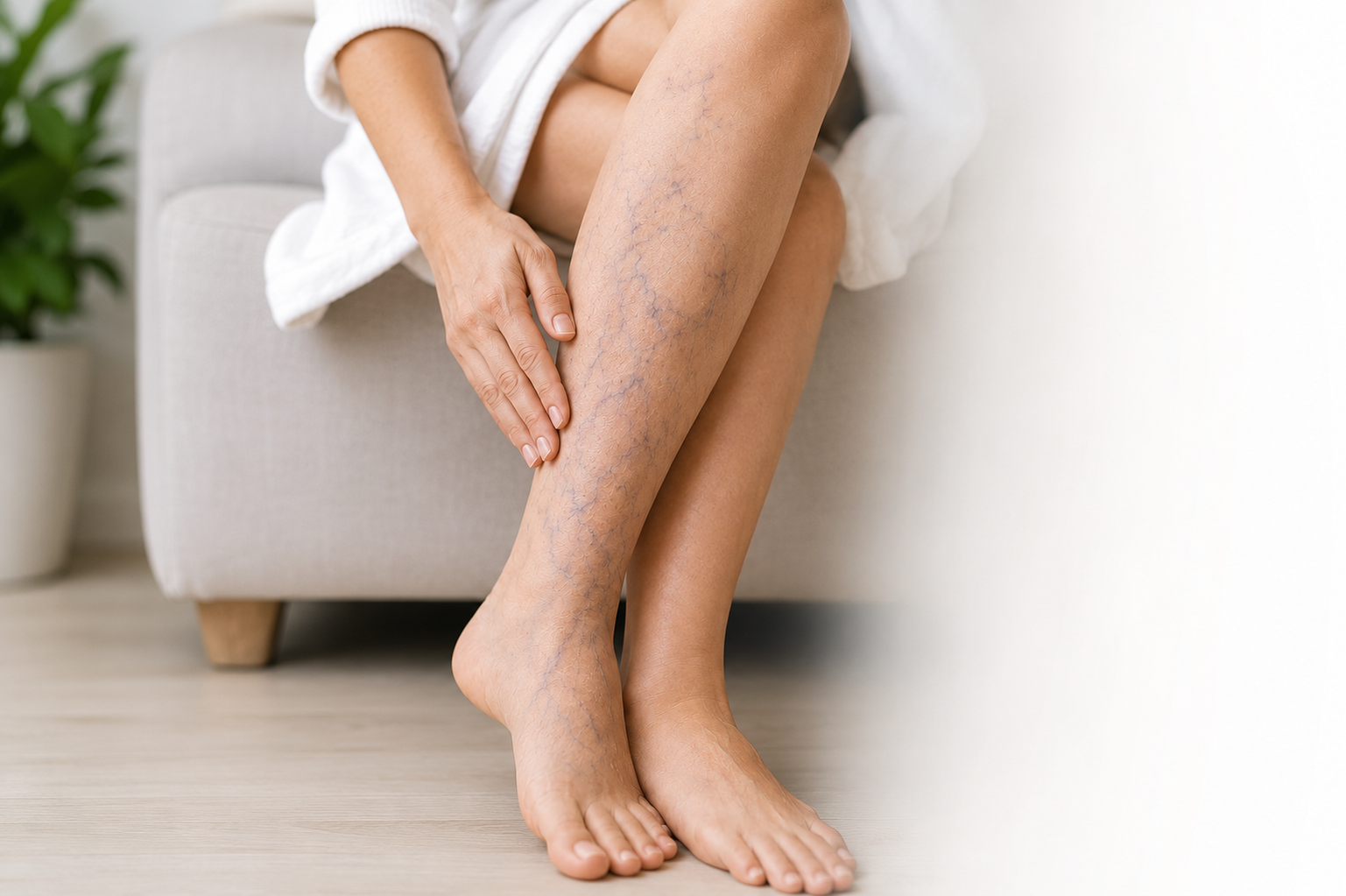
Lower limb vascular examination because suspect of venous insufficiency. The female legs on pink background

What is Chronic Venous Insufficiency?

Chronic venous insufficiency occurs when leg veins do not efficiently return blood back to the heart. Over time, valve malfunctions in the veins can cause blood to accumulate in the legs, leading to several symptomatic issues and complications.

What Causes Venous Insufficiency?

The causes of chronic venous insufficiency are multifaceted, ranging from genetic factors to lifestyle choices. Key contributors include:

  • Genetic predisposition, where family history plays a significant role.
  • Aging, which reduces vein elasticity,.
  • Prolonged periods of standing or sitting, which can impede blood flow.
  • Obesity, which adds pressure to veins.
  • Pregnancy, which increases venous pressure due to hormonal changes and weight. 

Identifying the symptoms

Early detection of CVI can greatly improve the quality of life and treatment success. Symptoms include:

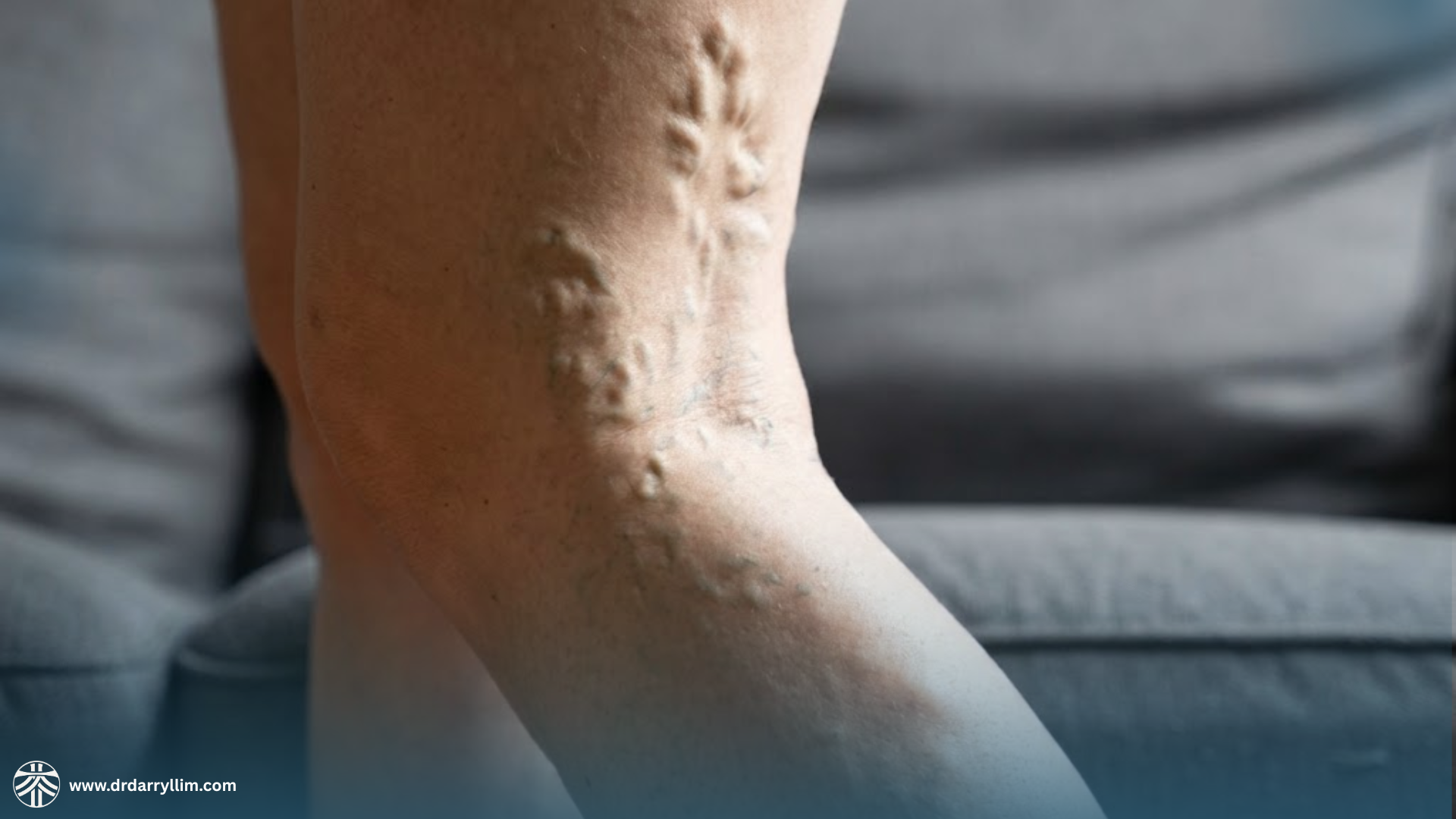
  • Persistent leg swelling
  • Painful, bulging varicose veins
  • Aching or throbbing legs
  • Itching and tingling sensations
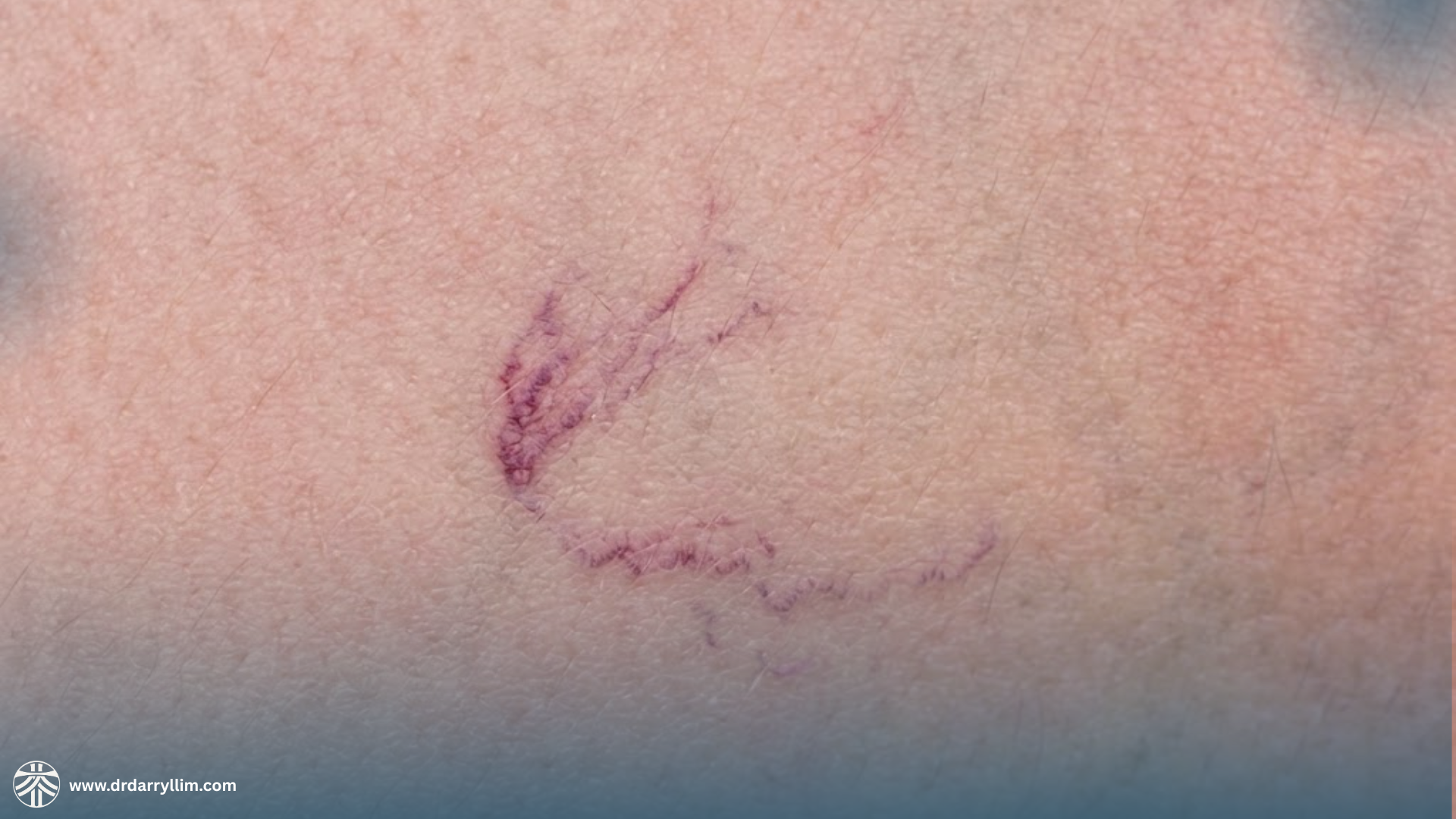
  • Changes in skin color and texture, often leading to skin ulcers

It’s crucial for individuals experiencing these signs to seek medical advice promptly.

Treatment Options

At Dr. Darryl Lim’s clinic, patients have access to holistic, innovative and minimally invasive treatments tailored to their specific conditions. Treatment strategies may include:

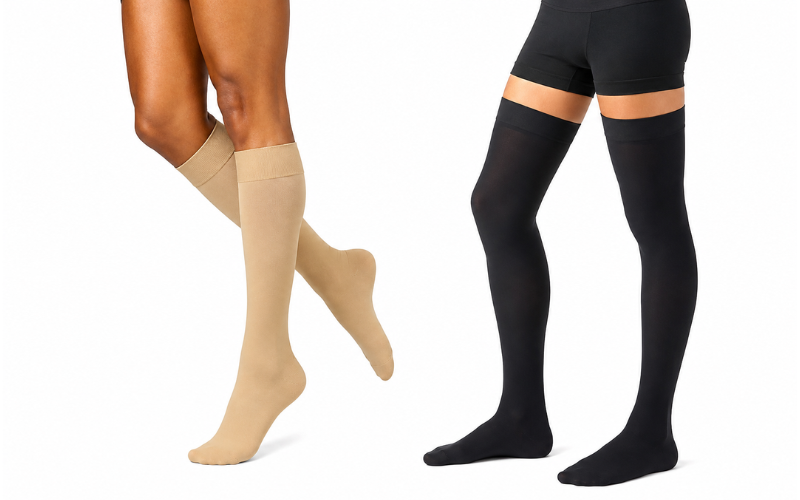
  • Compression Therapy: Wearing specially designed stockings that help with blood flow.
  • Medication: Drugs to reduce swelling and improve blood flow.
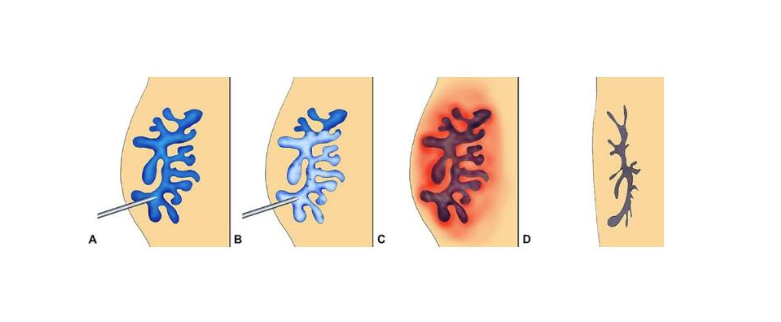
  • Endovascular or Surgical Intervention: Procedures like sclerotherapy, laser surgery, and vein stripping.

Lifestyle Management for CVI

In addition to medical treatments, managing CVI effectively includes lifestyle modifications. Important strategies are detailed on our lifestyle management page, such as:

  • Engaging in regular, low-impact exercises like swimming or walking.
  • Maintaining a healthy diet helps reduce body weight.
  • Elevating the legs when resting improves circulation.
Need Expert Vascular Care?

Book an appointment with Dr. Darryl Lim today and get a personalized treatment plan for your vascular health.

Conclusion

Recognizing and understanding chronic venous insufficiency (CVI) is essential for managing this challenging condition effectively. CVI can significantly impair quality of life, causing symptoms like leg swelling, pain, and changes in skin color. Early intervention is crucial in preventing its progression and alleviating symptoms. If you or a loved one are experiencing any signs of CVI, it is vital not to delay seeking medical advice. Prompt treatment can help manage the symptoms and prevent further complications. Dr. Darryl Lim specializes in the diagnosis and treatment of venous disorders, offering a range of customized treatment options tailored to individual needs. 

Visit Dr. Darryl Lim’s contact page today to book a consultation and embark on your journey toward better vascular health. Taking this step can be the beginning of a significant improvement in your daily comfort and overall health.
Share:

Facebook
Twitter
Pinterest
LinkedIn
Dr. Darryl Lim

Dr. Darryl Lim

Vascular and Endovascular Surgeon | Singapore

Dr. Darryl Lim is a Senior Consultant Vascular and Endovascular Surgeon at the Novena Vascular and Varicose Vein Centre in Singapore. Before this role, he served as the Director of the Vascular Unit at Changi General Hospital and as a Service Chief at the Singhealth-Duke NUS Vascular Centre. Under his tenure, Changi General Hospital’s Vascular Unit was recognized as a regional centre of excellence.

Dr. Lim has a strong commitment to training emerging interventionalists and enhancing the capabilities of vascular units in Southeast Asia. He is regularly invited to travel to regional units to conduct live case workshops and to speak at international conferences.

Related Posts

Does MediSave Cover Varicose Vein Treatment in Singapore?

MediSave may be used for varicose vein treatment in Singapore when the condition is medically indicated, such as when symptoms and duplex ultrasound confirm venous reflux. Minimally invasive treatments such as RFA, ClariVein, VenaSeal, ultrasound-guided sclerotherapy or mini phlebectomies may be claimable when performed as an approved surgical or day surgery procedure (with an appropriate TOSP code). Purely cosmetic spider vein treatment is generally not MediSave-claimable.

Do Compression Socks Help Restless Legs? When They Work and When They Don’t

Compression socks may help restless or uncomfortable legs when symptoms are linked to venous pooling, swelling, varicose veins, or chronic venous insufficiency. They are not a cure for true neurological Restless Legs Syndrome, but they can reduce heaviness, aching, crampy tightness, and night-time discomfort in selected patients. If restless legs come with swelling, visible veins, or ankle skin changes, a vascular assessment may be useful.

What Happens to Varicose Veins After Treatment?

After varicose vein treatment, the diseased vein is usually closed, sealed, or removed so blood can
reroute through healthier veins. The treated vein may still be visible or feel firm at first, but over weeks
to months, the body gradually breaks it down. Symptoms such as heaviness, aching, and swelling
often improve earlier than the visible appearance. Full cosmetic results take time, and some patients
may need staged treatment for remaining surface veins or spider veins.

Can a Varicose Vein Burst? What to Do If It Bleeds

Yes, a varicose vein can burst and bleed, especially when the vein is large, under pressure, and covered by thin or fragile skin. If this happens, lie down, raise the leg, and apply firm direct pressure over the bleeding point with a clean cloth or dressing. Even if the bleeding stops, you should arrange an urgent vascular surgeon review because the underlying venous reflux may still be present, and bleeding can recur.

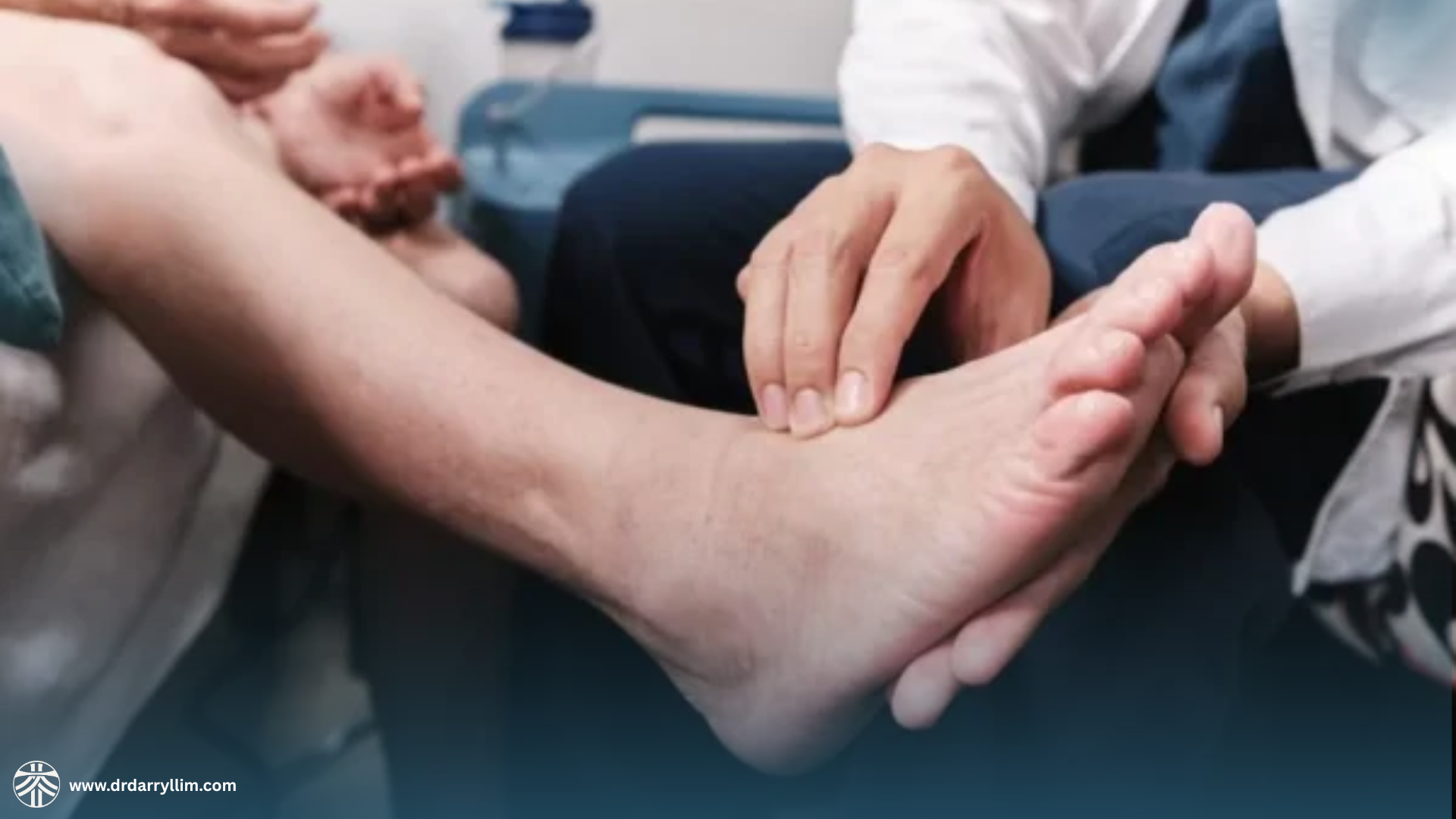
Person touching swollen ankle and lower leg, a common symptom of venous insufficiency or varicose vein disease.

Why Are My Ankles Swollen? Common Causes, Hidden Risks, and When to Worry

Most ankle swelling is related to gravity and fluid pooling- often from prolonged standing/sitting, salty meals, weight gain, pregnancy, or vein-related pooling (chronic venous insufficiency). If swelling is persistent, worsening, associated with ankle skin itch/discolouration, or improves noticeably with leg elevation, venous reflux becomes the most likely culprit. If swelling is sudden and one-sided, painful, red/warm, or you have breathlessness or chest discomfort, seek urgent medical assessment.