
Varicose veins often get brushed aside as nothing more than a cosmetic issue, but sometimes they can lead to more unsettling problems—like unexpected bleeding. If you’re worried about this possibility, or if you’ve already experienced it, you’re not alone. By understanding why varicose vein bleeding happens and how to manage it, you’ll feel better prepared to take control of your health.
Understanding Varicose Veins and Why They Bleed
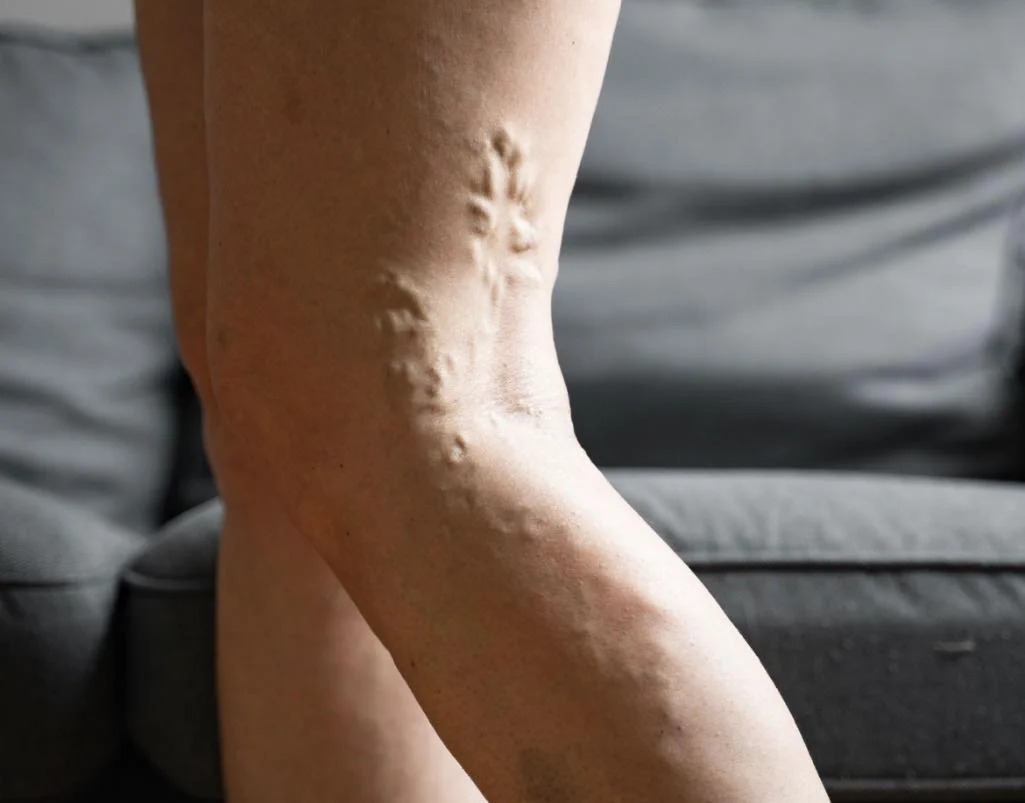
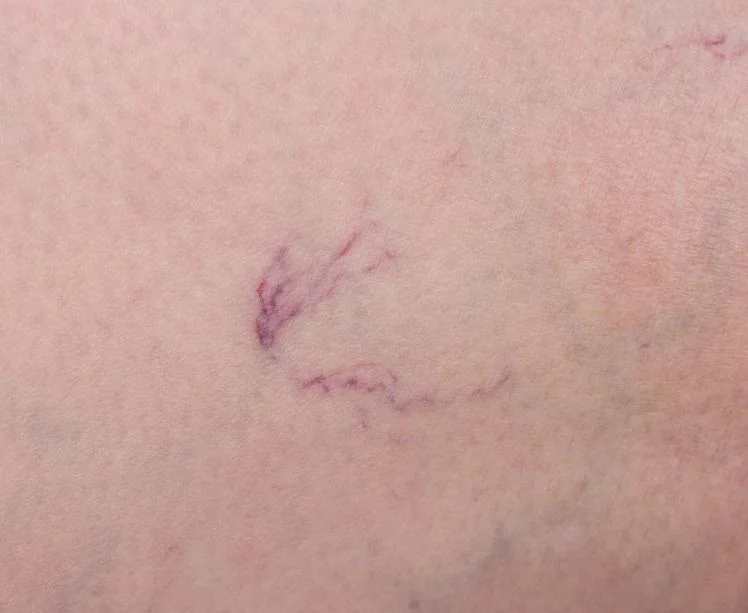
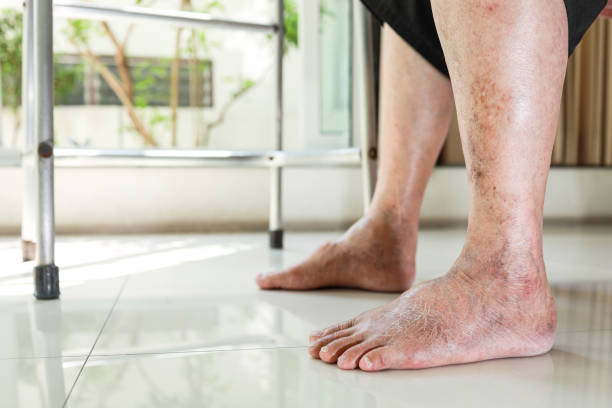
Varicose veins appear when the valves inside your veins stop doing their job as they should. Instead of channeling blood back upward to your heart, these weakened valves let blood pool, which stretches and strains the vein walls. Over time, that extra pressure can thin out the skin above the vein. Eventually, even a light scratch or bump can break through the fragile surface, causing bleeding.
While this can be startling, keep in mind that the bleeding itself isn’t usually life-threatening. Instead, think of it as a warning sign that your veins need some attention.
Contributing Factors and Early Clues
Certain things can make you more prone to varicose veins and the bleeding that may come with them. Maybe you have a family history of vein problems, spend hours on your feet, carry extra weight, or have experienced hormonal changes like pregnancy. As you get older, your veins and their valves naturally weaken, making these issues more likely.
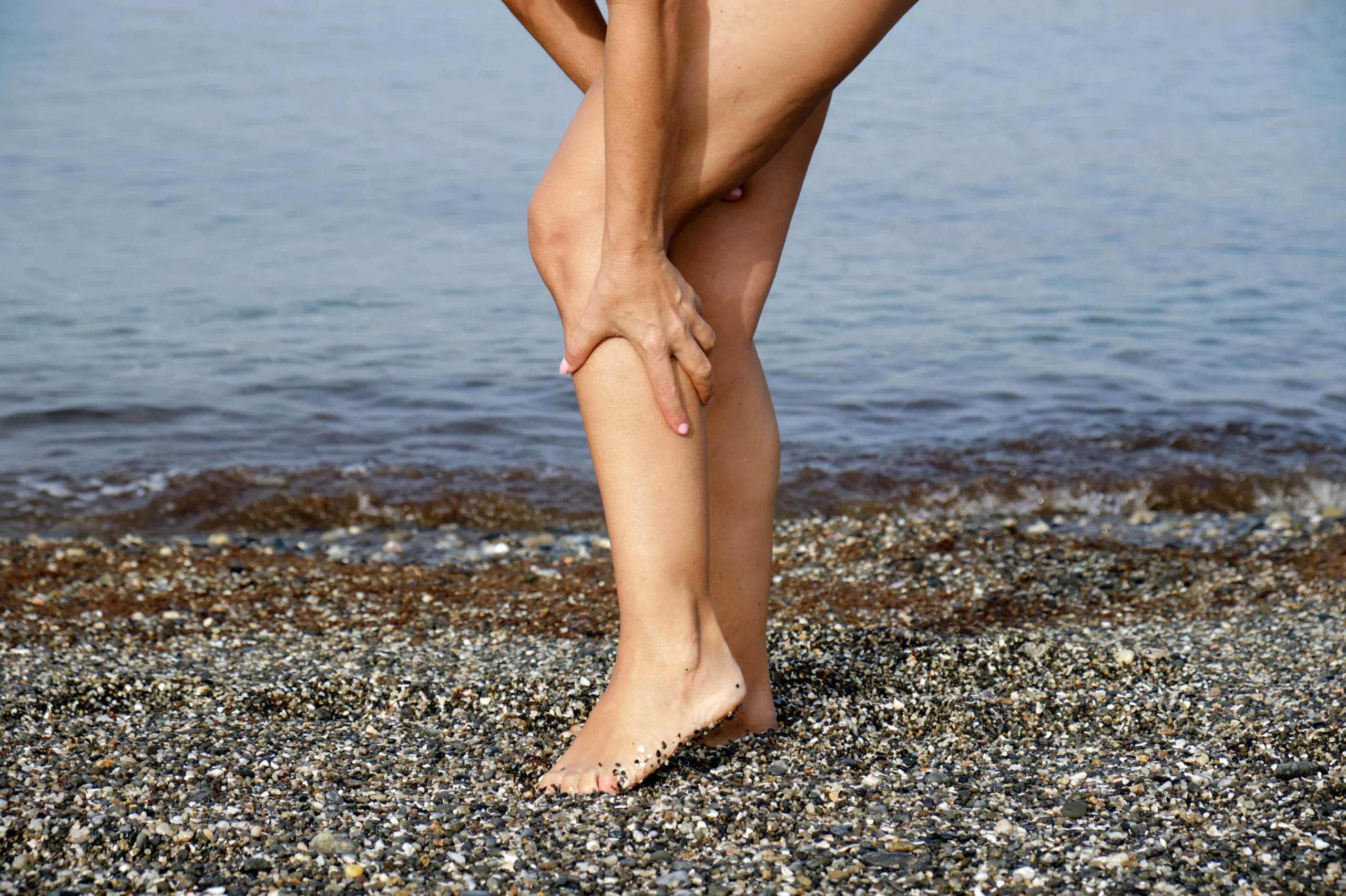
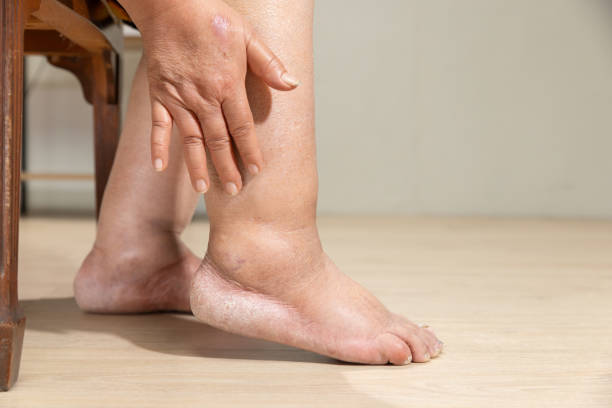
Before bleeding occurs, you might notice subtle hints. Your legs may feel heavy or achy, especially after a long day. There could be swelling around your ankles, or patches of skin might start feeling dry, itchy, or look slightly discolored. These are your body’s gentle nudges, telling you it’s time to pay attention.
What Happens if You Ignore the Bleeding?
It’s tempting to shrug off a small amount of bleeding, but it’s best not to. Repeated bleeding can lower your red blood cell count (leading to anemia), making you feel tired and run-down. Open wounds also increase the risk of infection, and persistent bleeding episodes can lead to painful, slow-healing ulcers around your ankles.

In short, dealing with the issue sooner rather than later can save you from a lot of discomfort in the future.
What to Do if You Notice Varicose Vein Bleeding
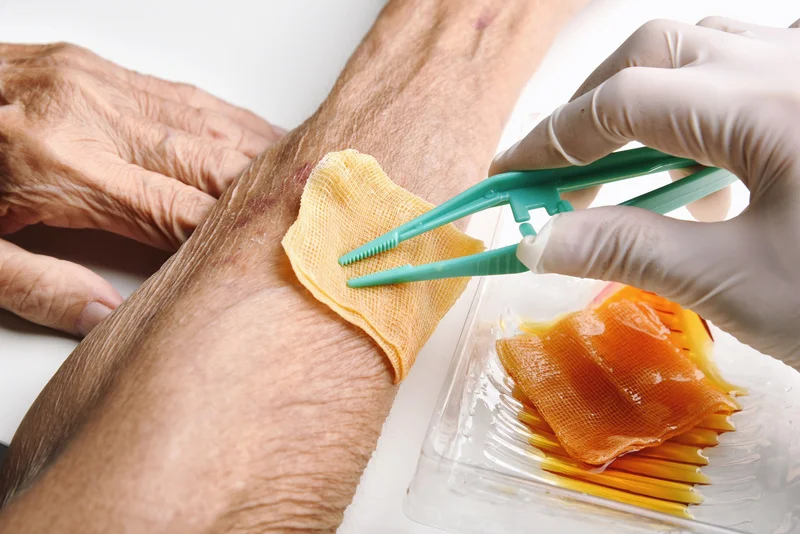
If you spot bleeding from a varicose vein, don’t panic. Start by pressing a clean cloth or gauze against the area for about ten minutes. Keeping the affected leg elevated above your heart can help slow the bleeding. Once it stops, wrapping the spot with a light compression bandage can offer a bit of extra support. Afterward, it’s wise to follow up with a vascular specialist who can figure out what’s going on beneath the surface.
Getting a Professional Opinion
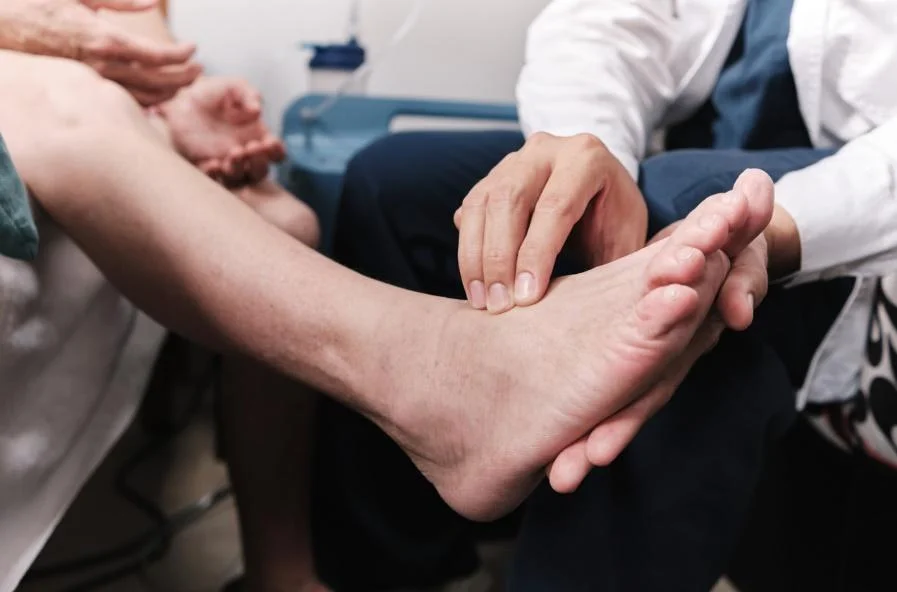
A vascular surgeon, like Dr. Darryl Lim, can help you get to the root of the problem. A thorough physical examination and diagnostic like duplex ultrasound imaging can map out the troublesome veins, highlight where blood flow is problematic, and pinpoint any valves that aren’t pulling their weight. Armed with this information, Dr. Lim can suggest the next steps toward relief.
Treatments to Prevent Future Bleeding
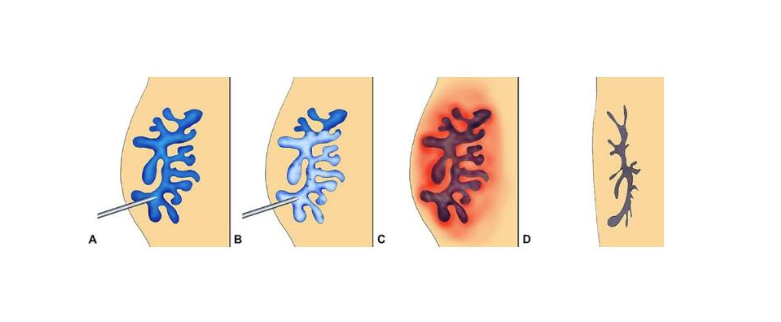
Treating varicose veins typically focuses on solving the underlying issue or “root cause”. Minimally invasive procedures, such as Radiofrequency Ablation, or Clarivein sclerotherapy, can seal off or shrink the affected veins. This approach diverts your blood into healthier vein pathways, easing pressure and reducing the odds of more bleeding down the road. These treatments also tend to improve comfort and help your legs look and feel better.
Lifestyle Adjustments
While medical treatments tackle the main problem, daily habits also play a big part in keeping varicose vein bleeding at bay. Maintaining a healthy weight, for instance, lightens the load on your veins. A brisk walk, a swim, or a bike ride can all boost circulation, as can simple stretches and leg exercises.
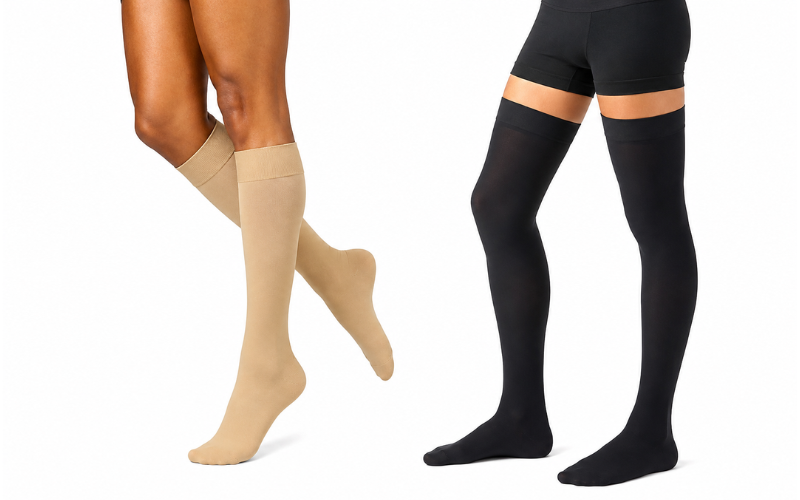
Compression stockings are another helpful tool—they gently encourage blood to flow upward rather than pool in your lower legs. However, this option may sometimes be less feasible in a hot and humid place like Singapore.
Paying attention to your diet can help, too. Staying hydrated and choosing nutrient-rich foods can support overall vein health, while watching your salt intake may keep swelling in check.

Taking Care of Your Well-Being
Dealing with varicose vein bleeding can feel discouraging, especially if you’re anxious about it happening at inconvenient times. But remember, you’re not alone in this. There are experienced professionals like Dr. Lim who specialize in caring for vein health, and treatments have come a long way. Knowing that effective solutions exist can make a big difference in how you feel, both physically and emotionally.
If you’ve noticed bleeding, or you’re dealing with persistent aches, swelling, or changes in the skin around your legs, it may be time to see a specialist. Addressing the issue now, rather than waiting, often leads to simpler, more successful outcomes. With the right guidance, you can get back to enjoying daily activities without the nagging worry of unexpected bleeding.