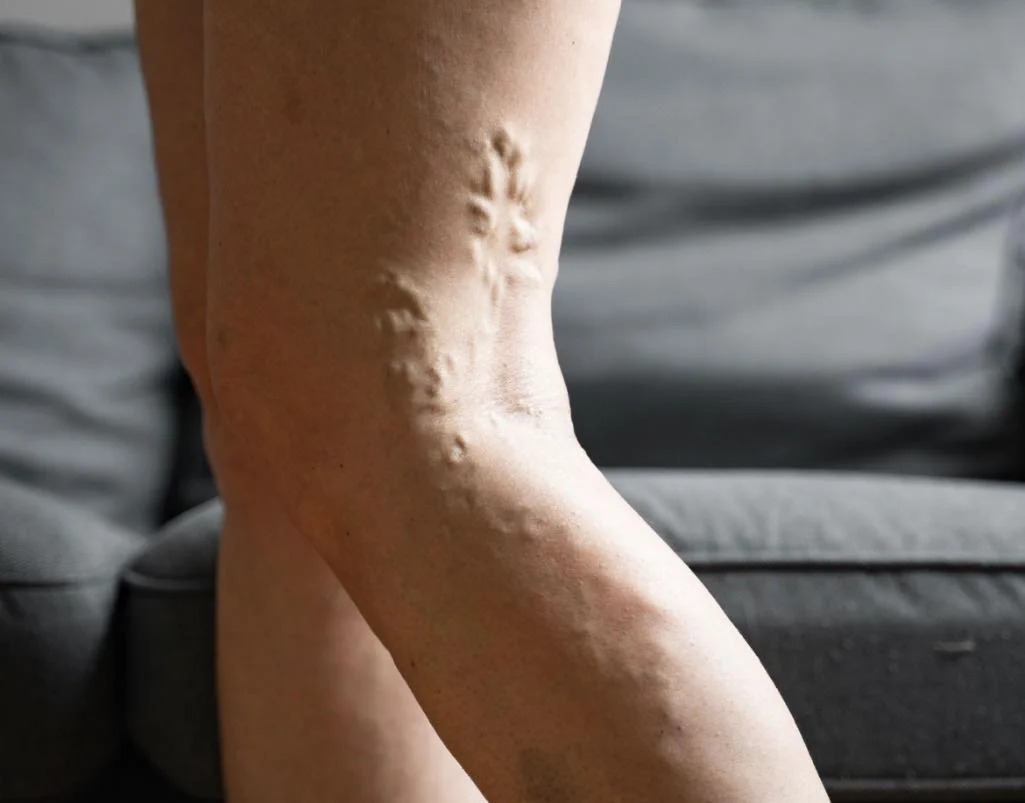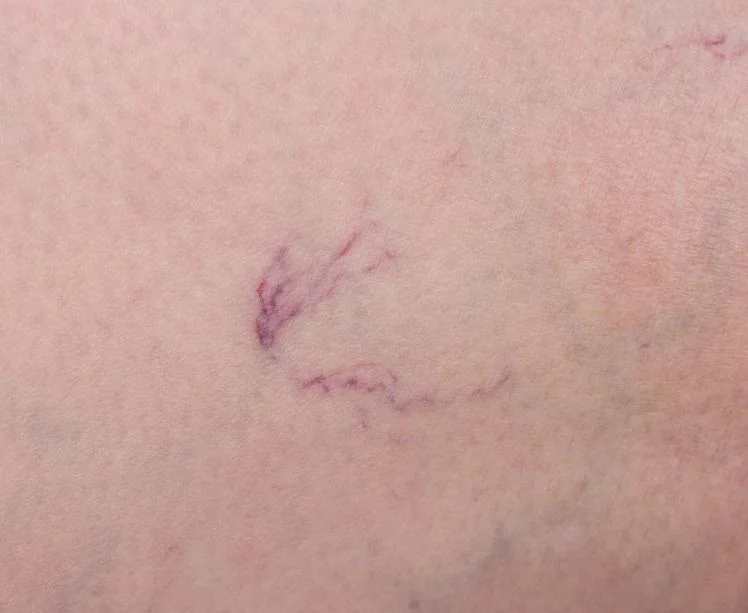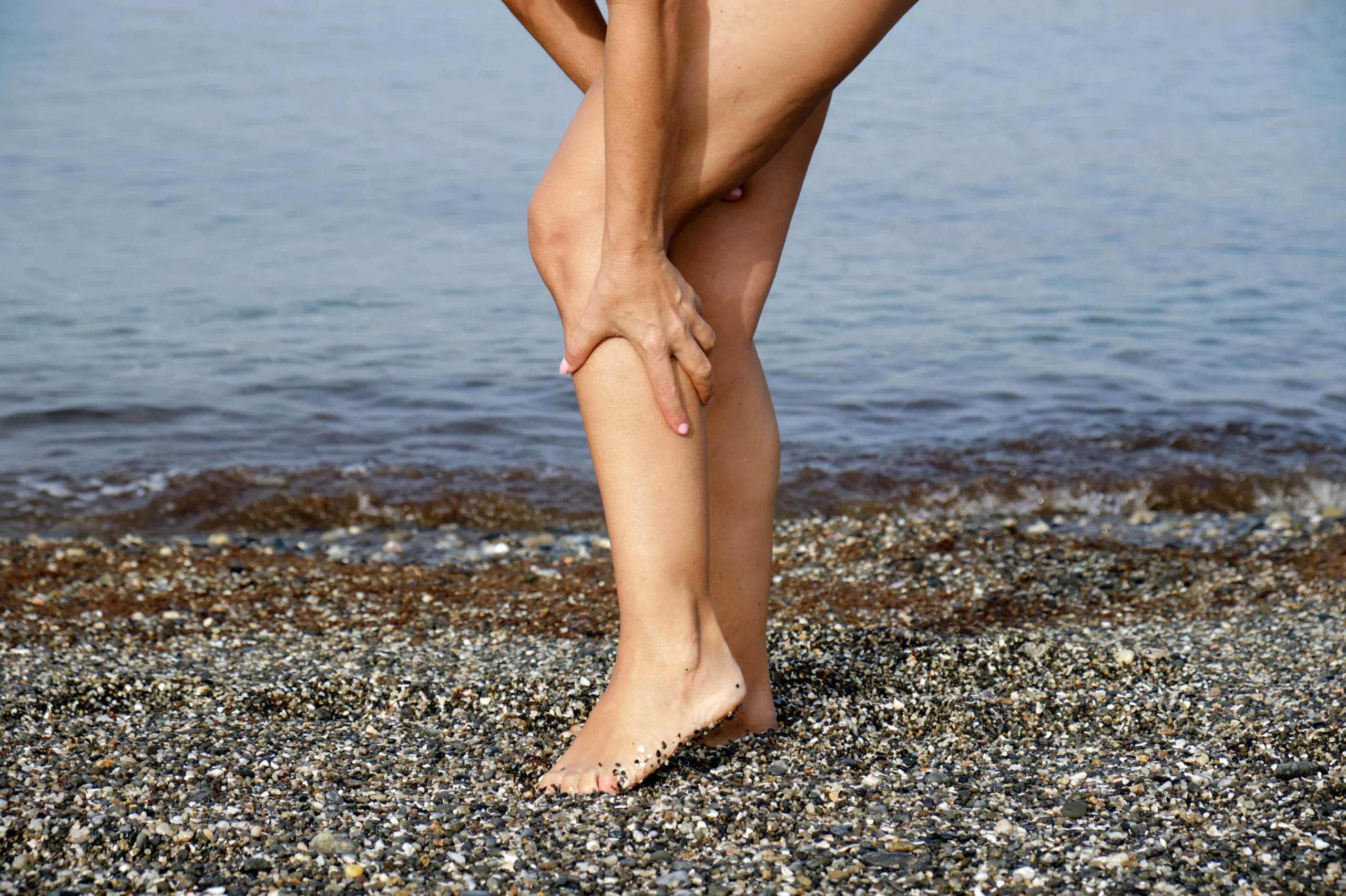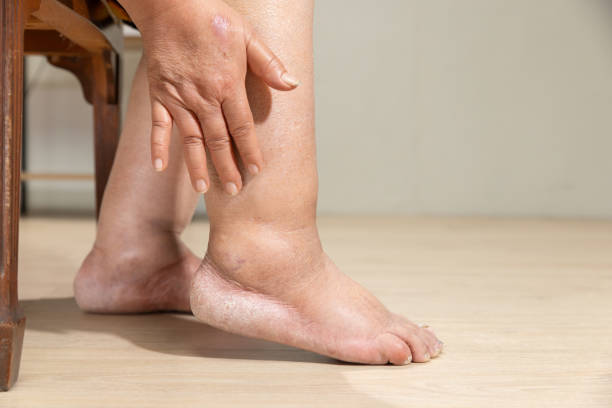
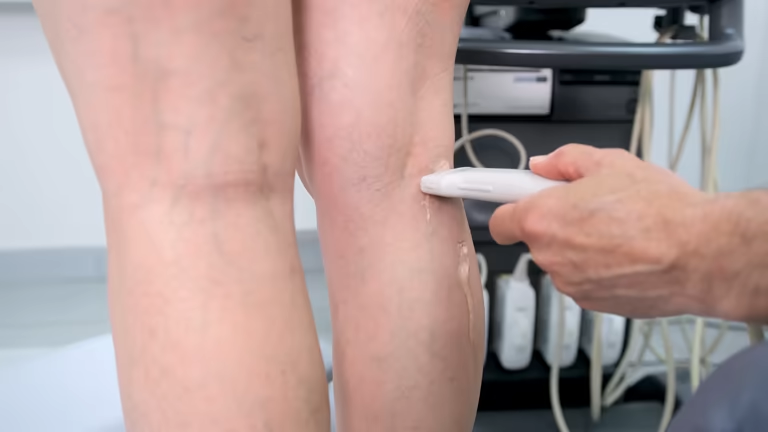
Varicose veins are enlarged, twisted veins that most often occur in the legs due to faulty valves and poor circulation. While many people seek treatment for cosmetic reasons, varicose veins can also cause discomfort, swelling, heaviness, and, in some cases, more serious complications like skin changes, ulcers, or blood clots.
Selecting the right doctor to manage your condition is essential. The right specialist will not only treat visible veins but also investigate and address any underlying venous disease. Choosing an experienced, qualified professional ensures you receive safe, effective, and lasting results, rather than temporary cosmetic fixes.
Qualifications to Look For in a Varicose Vein Doctor
When searching for a vein specialist, credentials matter. Ideally, your doctor should be board-certified in vascular surgery or a related specialty and have additional training or fellowship experience in venous disease management.
Look for a physician who regularly performs procedures like endovenous laser ablation (EVLA), radiofrequency ablation (RFA), ultrasound-guided sclerotherapy, and ambulatory phlebectomy. Experience with both minimally invasive and surgical treatments means they can recommend the best option for your unique needs, rather than relying on a single technique.
Another indicator of expertise is active membership in professional organizations related to vascular medicine. This shows that the doctor keeps up with advancements in technology, techniques, and patient safety standards.
What to Expect During Your Consultation
A professional consultation should go beyond a quick glance at your legs. A thorough assessment will include:
- Detailed Medical History—Including symptoms such as heaviness, swelling, cramps, or skin changes, as well as any risk factors like pregnancy, family history, or prolonged standing.
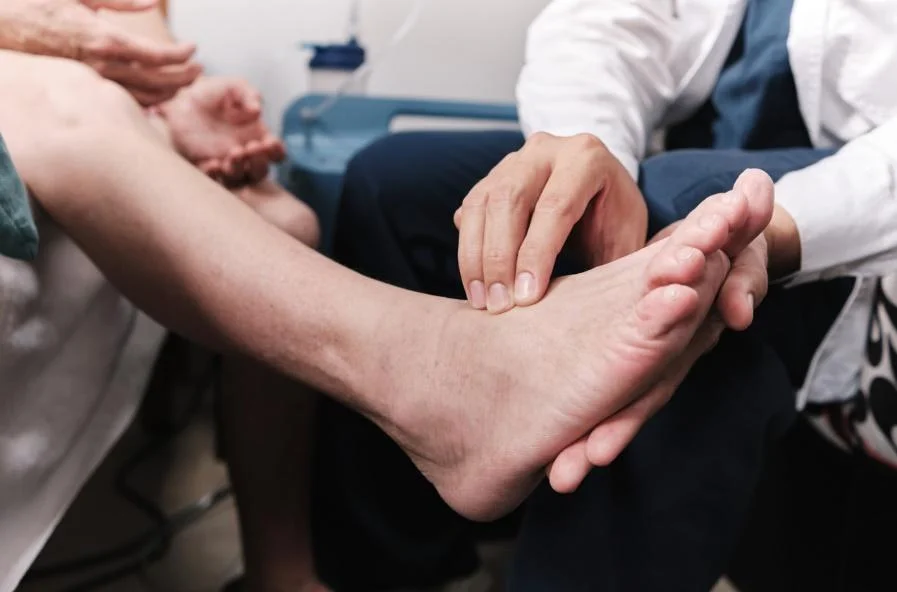
- Physical Examination – Checking for visible signs of varicose veins, spider veins, or skin changes.
- Duplex Ultrasound Scan—A non-invasive imaging test that maps your veins, measures blood flow, and identifies faulty valves or hidden reflux. This is critical for creating a targeted treatment plan.
- Discussion of Treatment Options—Your doctor should clearly explain each potential procedure, recovery expectations, possible risks, and likely results.
The best specialists take the time to answer all your questions, explain the underlying cause of your varicose veins, and provide realistic expectations for treatment.
Treatment Options a Qualified Specialist May Offer
A top varicose vein doctor offers a range of treatment options because not all veins respond to the same approach. Common methods include:
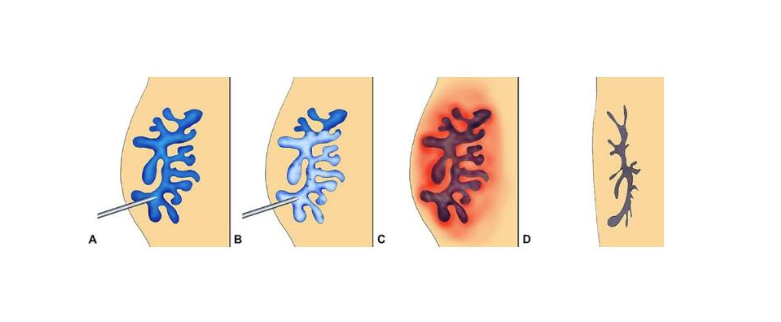
1. Sclerotherapy
A medical solution is injected into the vein, causing it to collapse and fade. Best for smaller varicose veins and spider veins.
2. Radiofrequency Ablation (RFA)
Utilizes radiofrequency energy to heat and close the vein. Known for quick recovery and low discomfort.
4. Clarivein Pharmacomechanical Ablation
Does not rely on heat to seal unhealthy veins. Instead, it uses a special rotating catheter combined with a sclerosing agent, that effectively seals off diseased veins
5. Ambulatory Phlebectomy
Small incisions are made to physically remove larger varicose veins near the skin’s surface. Often combined with other treatments for optimal results.
A good specialist will explain which combination of treatments is most suitable for your condition and why.
The Importance of Safety and Comfort
Your comfort and safety should always be a priority. A reputable vein specialist will use advanced, well-maintained equipment and follow strict sterilization and safety protocols. Procedures should be carried out in a safe, controlled environment—whether in a hospital or accredited clinic—with emergency equipment and trained staff on hand.
Pain management is also an important part of treatment. Most minimally invasive vein procedures involve only local anesthesia, allowing patients to walk out of the clinic on the same day. Recovery instructions should be clear, with your doctor providing guidance for compression stocking use, activity restrictions, and follow-up visits.
Aftercare and Follow-Up
Successful treatment doesn’t end when you leave the clinic. The best specialists provide comprehensive aftercare, which may include:
- Scheduled follow-up visits to assess healing and treatment success
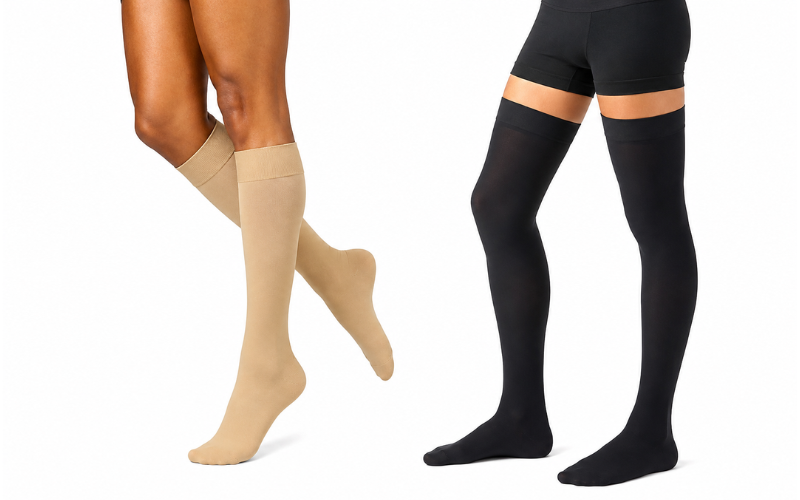
- Recommendations for compression stocking wear
- Activity guidelines to promote circulation
- Advice on preventing recurrence through lifestyle changes
This follow-up ensures that results are long-lasting and any new or recurring vein issues are addressed promptly.
Preventing Future Varicose Veins
While treatment can remove existing varicose veins, prevention strategies are important to reduce the risk of recurrence. Your doctor should discuss preventive measures such as:
- Staying physically active to improve leg circulation
- Avoiding prolonged standing or sitting
- Maintaining a healthy weight to reduce pressure on leg veins
- Wearing compression stockings when needed
- Elevating your legs periodically during the day
These small daily habits can make a big difference in protecting your vascular health.
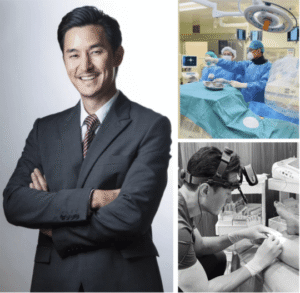
Why Choose Dr. Darryl Lim for Varicose Vein Care in Singapore?
At Dr. Darryl Lim—Vascular and Varicose Vein Specialist, you’ll receive a complete evaluation, advanced diagnostics, and a personalized treatment plan designed for your unique needs. Dr. Lim’s expertise in both surgical and minimally invasive vein treatments ensures that each patient receives the most effective, comfortable, and long-lasting results possible.
His approach goes beyond simply treating visible veins—he addresses the underlying cause to ensure your legs are not only healthier but also look and feel their best. With a focus on patient education, Dr. Lim ensures you understand every step of your treatment journey.