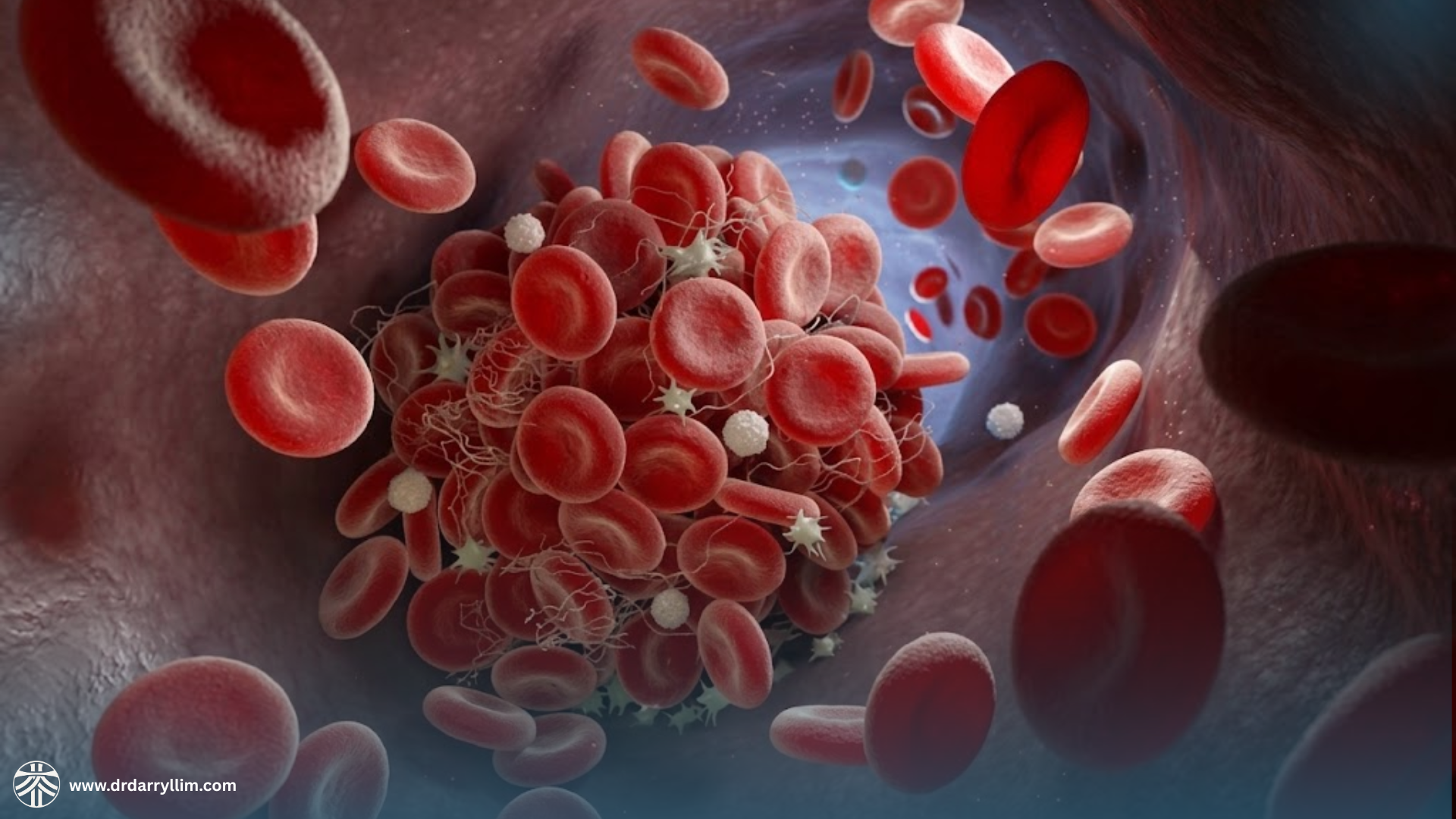

Peripheral Vascular Disease (PVD) is a serious condition that affects the blood vessels outside of your heart and brain, primarily in the legs and feet. It is often caused by atherosclerosis, a process where fatty deposits build up on the inner walls of the arteries, leading to narrowed or blocked vessels that restrict blood flow. Blood vessel narrowing can also result from inflammatory conditions such as vasculitis, which damages the vessel walls directly rather than through plaque buildup. Recognizing the signs of PVD early is crucial, as timely intervention can prevent severe complications, including tissue damage, infections, and even limb loss.
Understanding Peripheral Vascular Disease
Peripheral Vascular Disease, also known as Peripheral Arterial Disease (PAD) when it affects the arteries, is a condition that develops over time as plaque accumulates in the blood vessels. This buildup reduces the flow of oxygen-rich blood to your limbs, particularly your legs, leading to various symptoms. If left untreated, PVD can progress to more serious conditions, like critical limb ischemia, which can result in amputation.
Understanding the symptoms and seeking medical attention early can make a significant difference in managing PVD and maintaining a healthy, active lifestyle.
Common signs and symptoms of PVD
The symptoms of peripheral vascular disease can vary depending on the severity of the blockage and which blood vessels are affected. Some people may not experience any symptoms until the disease has significantly progressed, which is why regular check-ups are important, especially if you have risk factors such as smoking, diabetes, or a family history of cardiovascular disease.
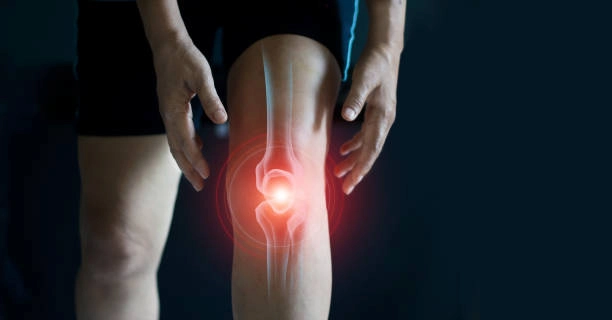
Here are some common signs of PVD to be aware of:
- Leg Pain When Walking (Claudication): One of the most common symptoms of PVD is claudication, which is characterized by pain or cramping in the legs or hips when walking or exercising. This pain typically subsides after a few minutes of rest. Claudication occurs because the muscles are not receiving enough blood flow during physical activity, leading to pain or discomfort.
- Numbness or Weakness in the Legs: As blood flow becomes increasingly restricted, you may experience numbness, weakness, or a heavy feeling in your legs. This can make it difficult to walk or stand for long periods of time.
- Coldness in the Lower Leg or Foot: Poor circulation can cause one leg or foot to feel noticeably colder than the other. This is because the blood is not adequately reaching the extremities, causing a drop in temperature.
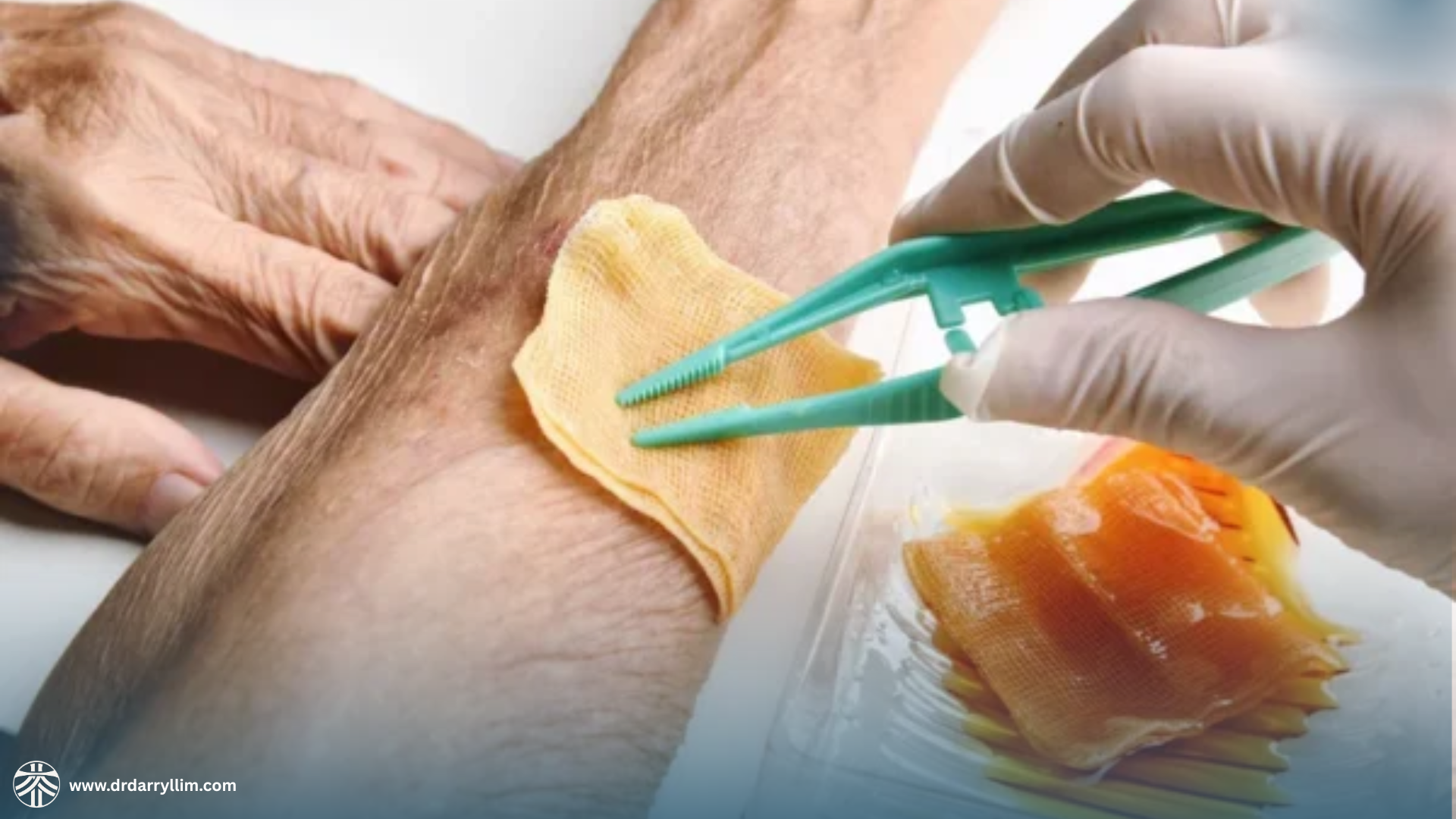
- Sores or Wounds That Don’t Heal: Another critical sign of PVD is the presence of sores or wounds on the legs, feet, or toes that are slow to heal or do not heal at all. This is due to the lack of sufficient blood flow needed for tissue repair. These non-healing sores can lead to infections and, in severe cases, may require amputation.
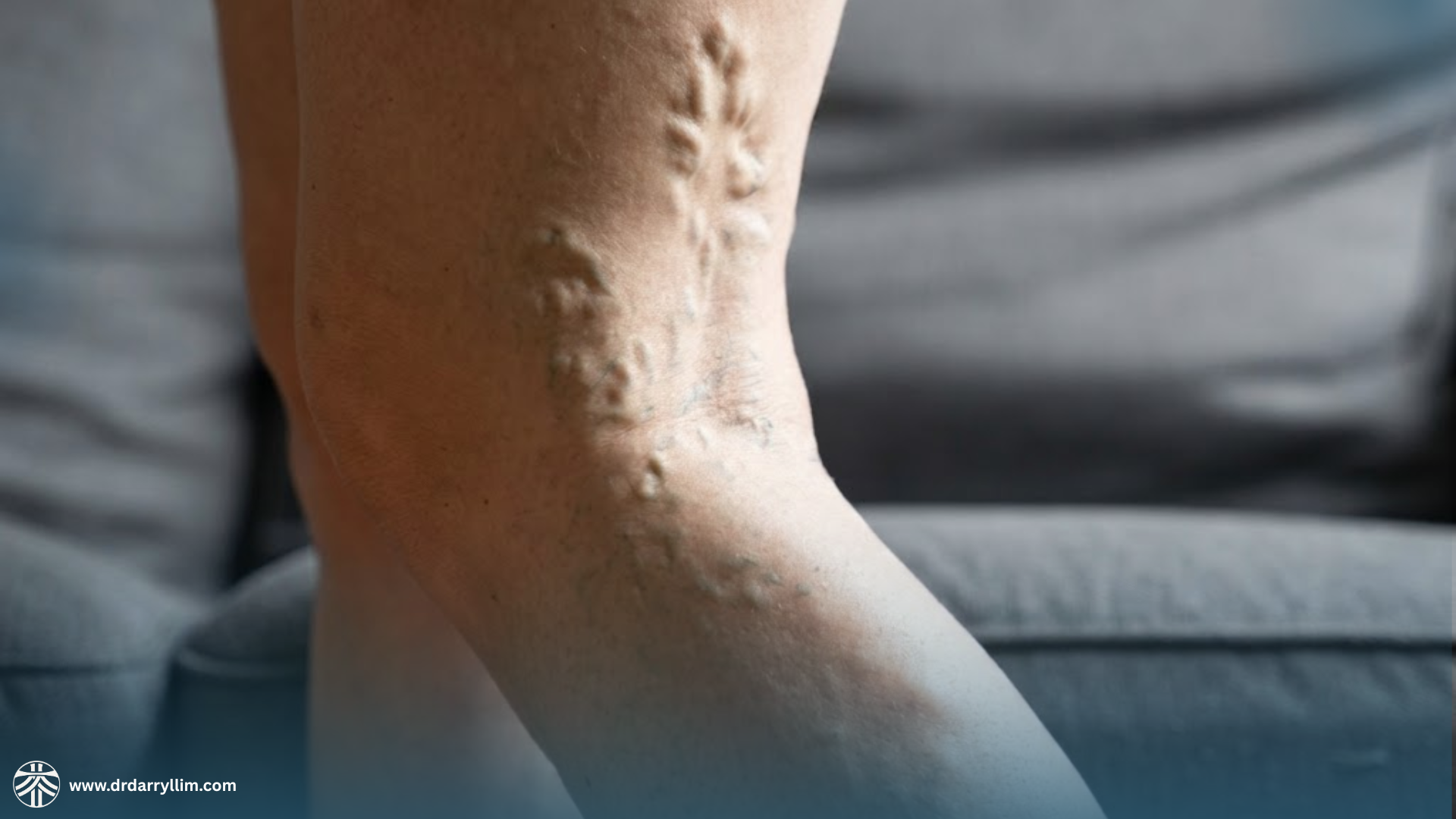
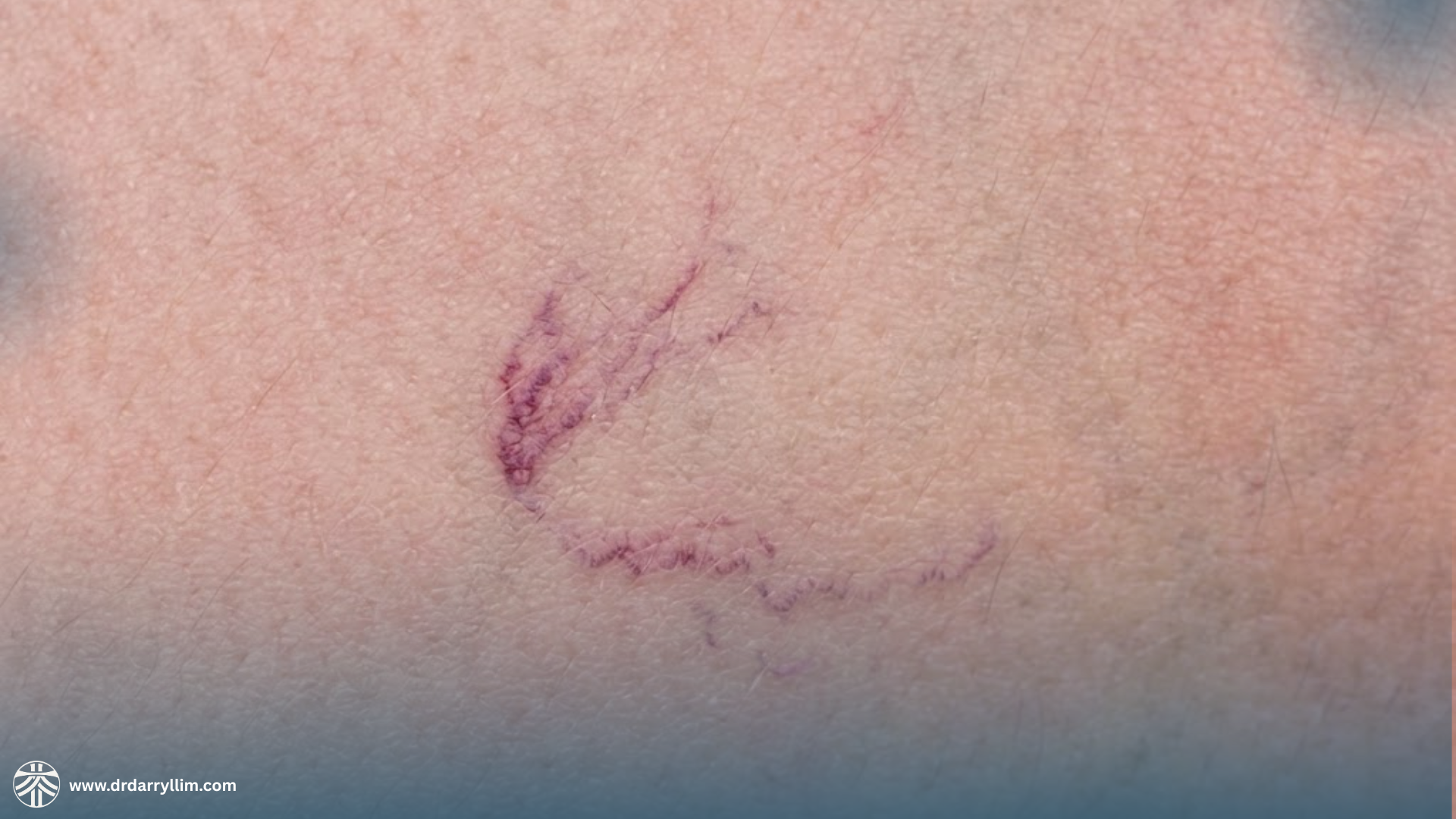
- Change in the Color of Your Legs: You might notice a bluish or pale color in your legs or feet, which can indicate reduced blood flow. In some cases, your legs may also develop a shiny appearance or hair loss in the affected area.
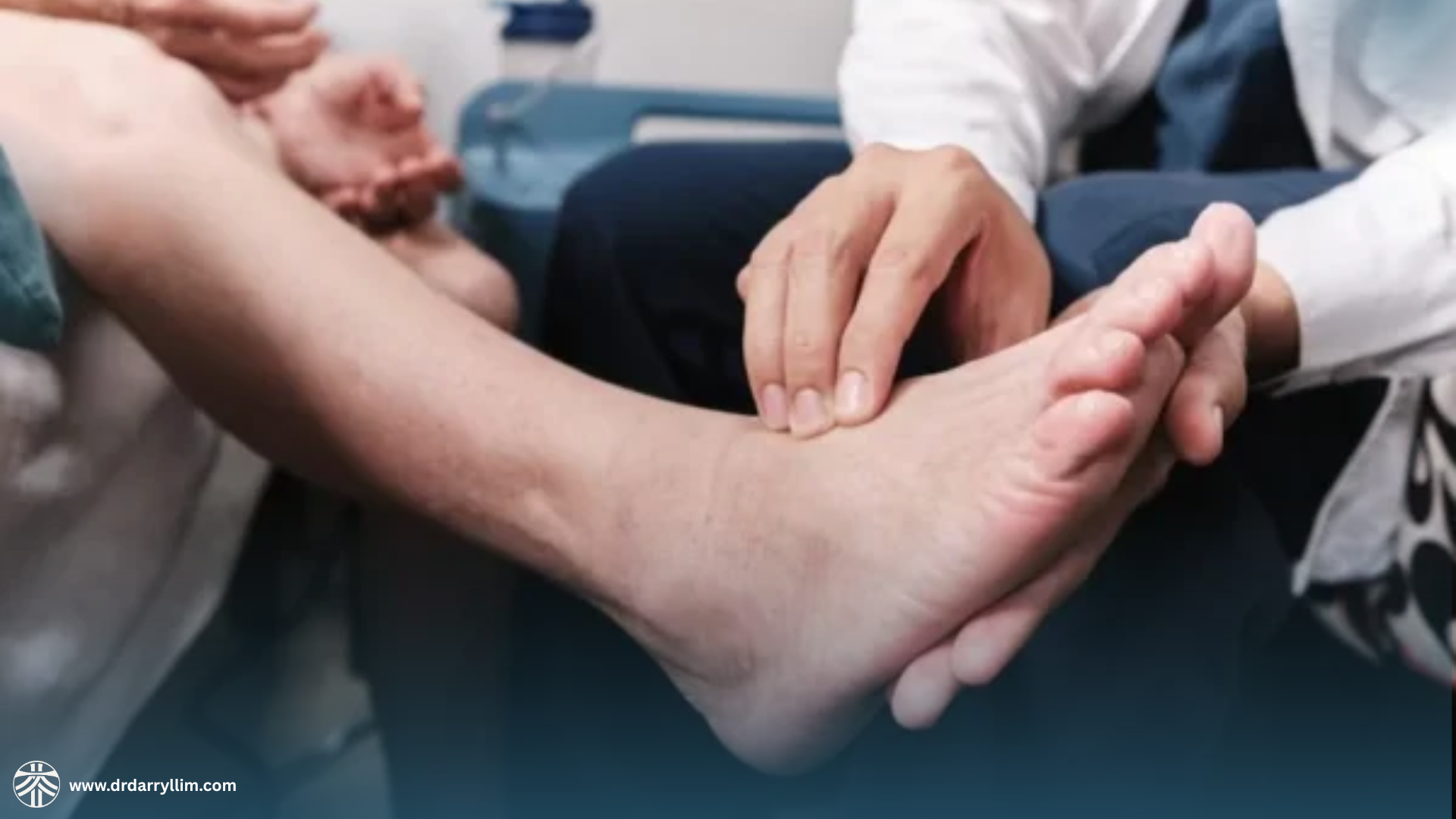
- Weak or Absent Pulse in the Legs or Feet: During a physical examination, your healthcare provider may check the pulse in your legs or feet. A weak or absent pulse can be a sign of PVD, as it indicates that blood flow to the area is compromised.
- Erectile Dysfunction in Men: Men with PVD may experience erectile dysfunction, particularly if the blood flow to the pelvic area is reduced.
Risk Factors for PVD
While recognizing the symptoms of PVD is essential, it’s also important to understand the risk factors that can increase your chances of developing this condition. Common risk factors include:
- Smoking: Smoking is one of the most significant risk factors for PVD, as it damages the blood vessels and accelerates the process of atherosclerosis.
- Diabetes: High blood sugar levels can damage the blood vessels, making diabetes a major risk factor for PVD.
- High Blood Pressure: Hypertension can lead to the hardening and narrowing of the arteries, contributing to the development of PVD.
- High Cholesterol: Elevated cholesterol levels can cause plaque buildup in the arteries, increasing the risk of PVD.
- Age: The risk of PVD increases with age, particularly after the age of 50.
- Family History: A family history of cardiovascular disease can increase your risk of developing PVD.
Diagnosing and managing PVD
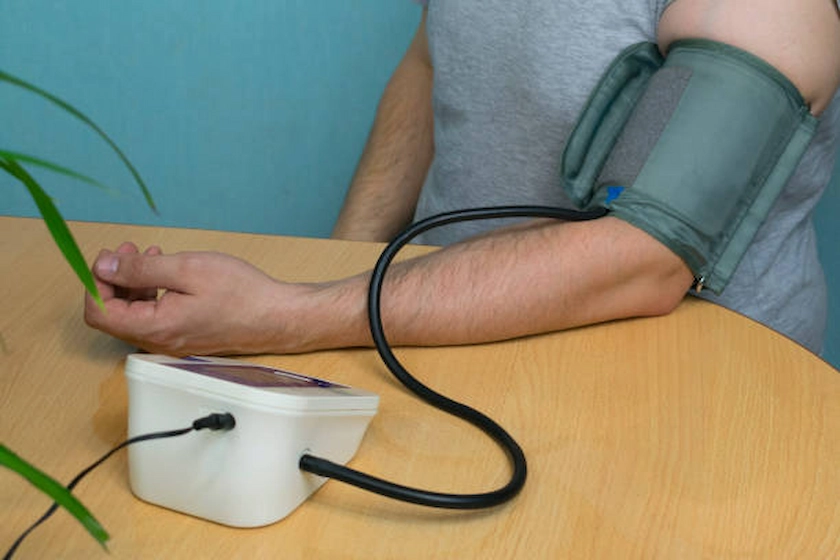
If you recognize any of the symptoms mentioned above or have risk factors for PVD, it’s crucial to seek medical advice. Diagnosing PVD typically involves a physical examination, reviewing your medical history, and conducting tests such as the ankle-brachial index (ABI), which compares the blood pressure in your ankle with the blood pressure in your arm.
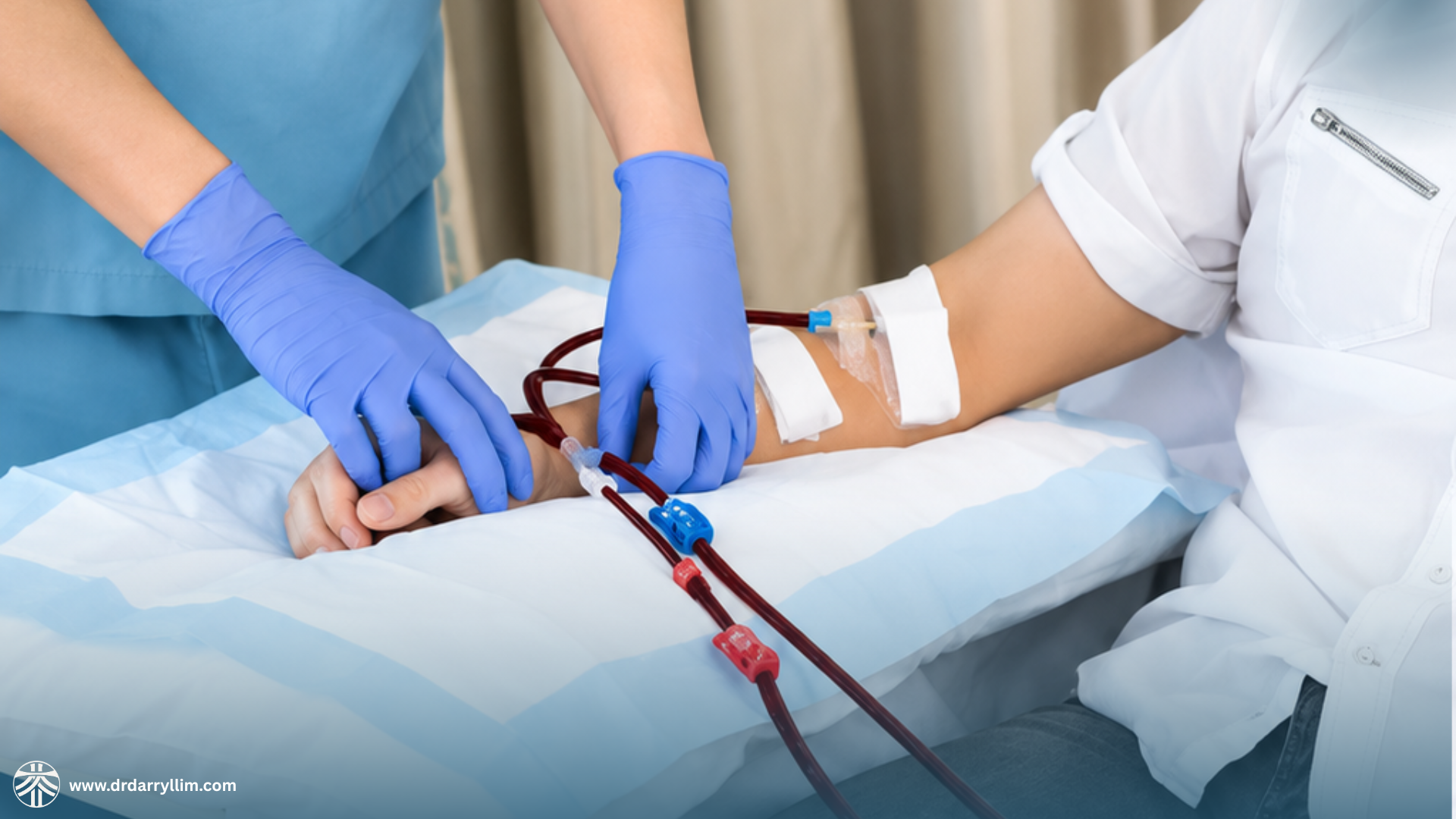
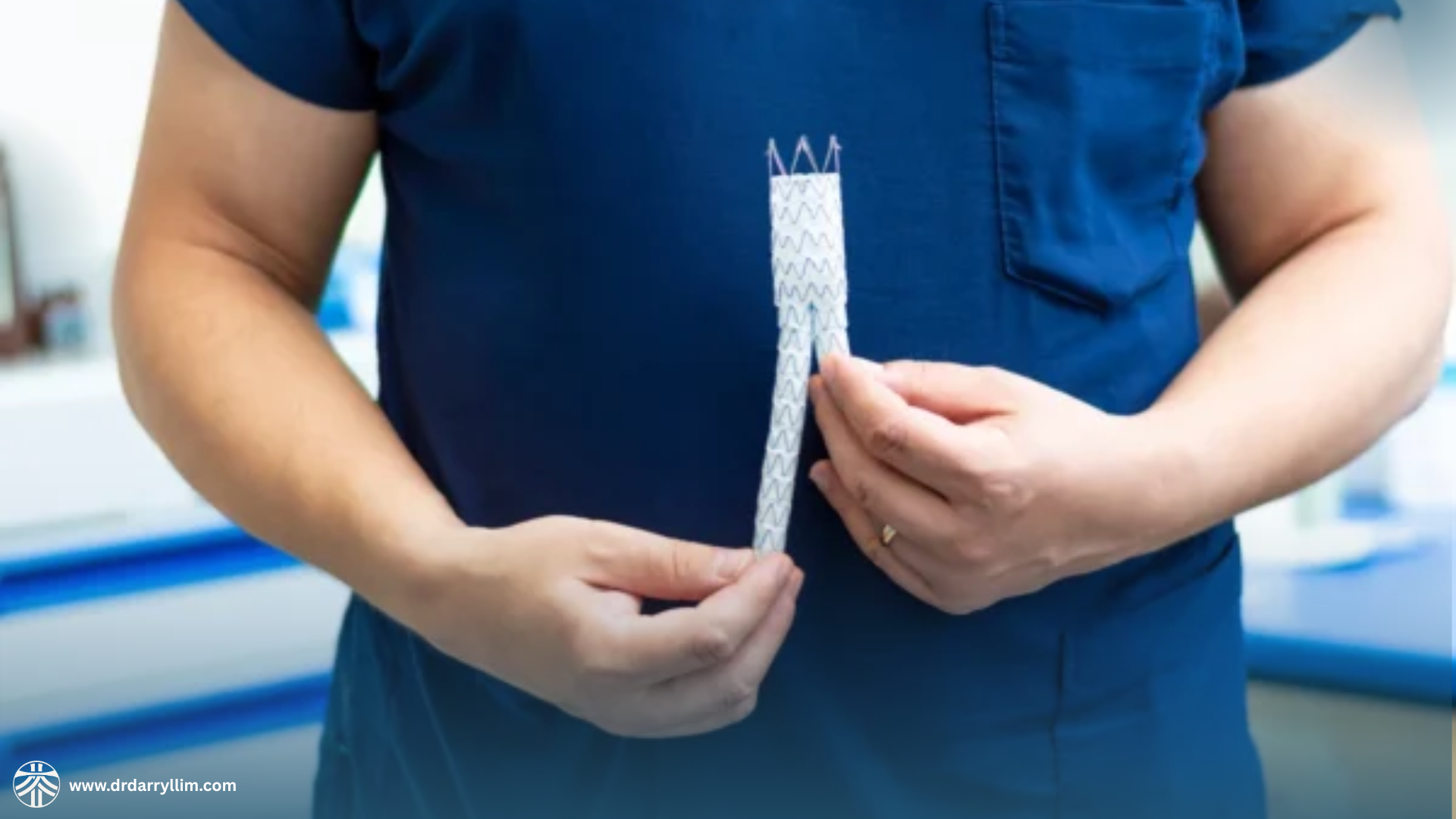
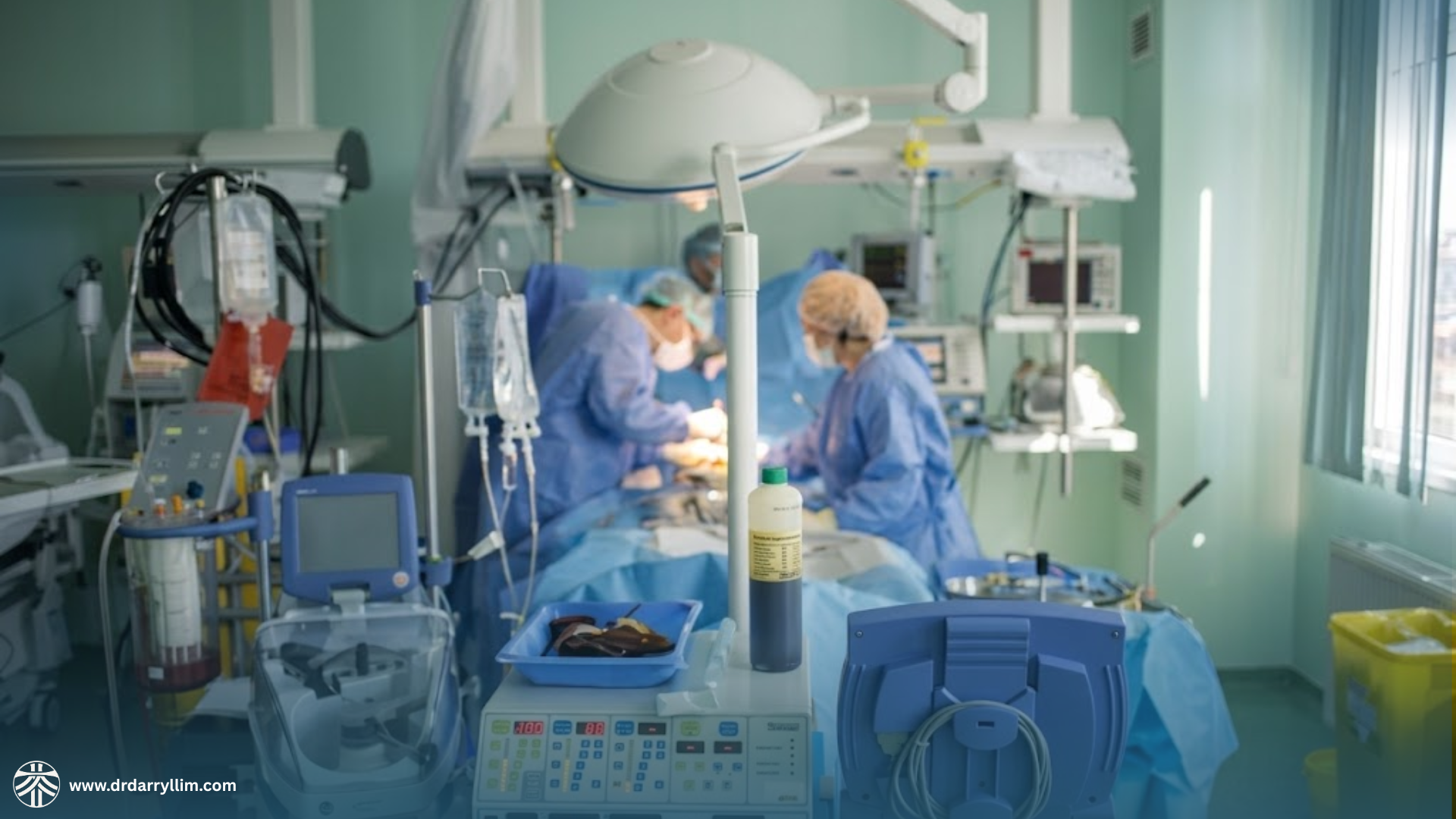
Early diagnosis is key to managing PVD effectively. Treatment options may include lifestyle changes, medications to improve blood flow, and, in some cases, procedures such as angioplasty or surgery to open up blocked arteries.
For more information on how PVD is diagnosed and managed, you can learn more about our vascular treatment protocols that are tailored to each patient’s needs.

Conclusion
Recognizing the signs of peripheral vascular disease is the first step toward effective management and treatment. If you experience any of the symptoms outlined above or if you have risk factors for PVD, it’s important to take action quickly. Early intervention can help prevent serious complications and improve your quality of life.
Maintaining vascular health is vital, and with the right approach, you can manage PVD and continue to lead an active, healthy life. To explore more about how we address vascular conditions and the personalized care we offer, consider our comprehensive vascular care strategies that focus on long-term well-being.